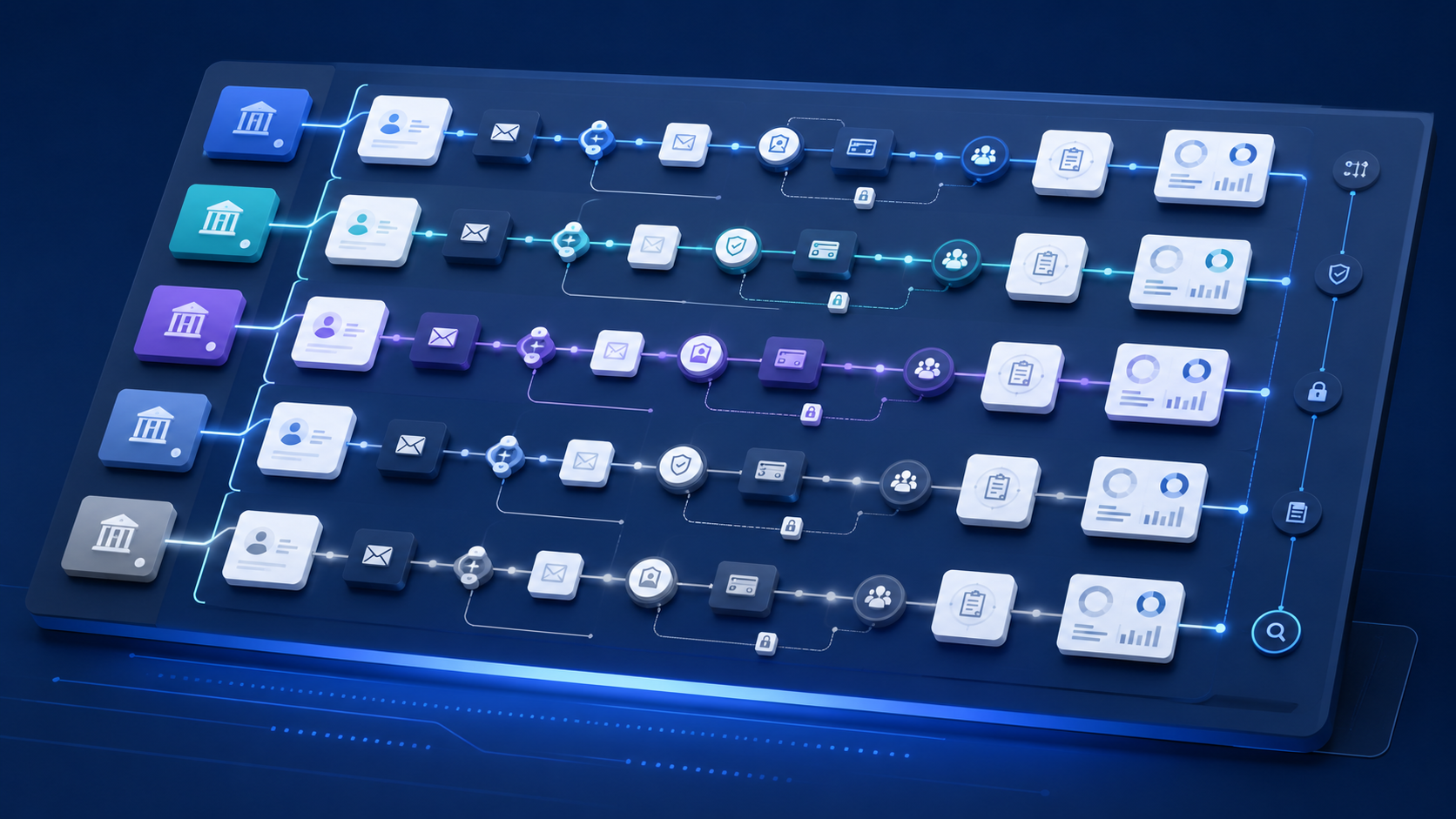
The hardest part of scaling a collection agency is not always adding more accounts. It is managing more variation.
Every creditor client brings different placement rules, fee structures, approval steps, communication expectations, documentation requirements, reporting needs, and compliance preferences. One client may require settlement approval above a certain threshold. Another may need a specific dispute workflow. Debt buyers may expect different update cadences than direct creditors.
If those differences live in tribal knowledge, manual reminders, or one-off workarounds, growth gets messy fast. Modern debt collection software should help agencies turn client complexity into configurable, repeatable, and auditable workflows.
Why Multi-Client Complexity Becomes a Bottleneck
A small team can often manage client preferences through experienced managers. At scale, that model starts to crack. Collectors may work across queues with different rules. Client services may need quick status updates. Compliance may need to prove that client-specific restrictions were followed. Finance may need to apply different fee logic.
When the platform cannot enforce those differences, people become the control layer. That is expensive, slow, and risky. Workflow control matters because it turns client variation into system logic instead of institutional memory.
What Debt Collection Software Needs to Control
Multi-client workflow control is a set of controls across the account lifecycle.
Placement workflows should validate files, map creditor fields, identify missing documentation, assign queues, and apply portfolio rules. Delinquent accounts, legal workflows, recalled accounts, and special-handling portfolios may each need different routing.
Communication workflows should manage payment reminders, channel mix, message templates, and approval requirements by account status, consumer location, consent, client policy, and communication preference.
Payment workflows also vary. Client contracts may define arrangements, settlement authority, convenience fee policies, payment processing rules, remittance timing, and online payments. A collector should not have to remember which client allows a certain payment plan or which portfolio requires approval.
Dispute workflows should route accounts correctly, pause or adjust activity when needed, collect documentation, and keep client dependencies visible. If a consumer says the balance is wrong, claims fraud, or requests validation, the account should move into the right queue automatically.
Compliance and Audit Trails
Agencies must account for FDCPA requirements, Regulation F, state rules, and client-specific policies. This is not legal advice; agencies should work with counsel on interpretation. Operationally, debt collection software should help enforce approved policies once they are defined.
That means contact controls, consent and revocation logging, required disclosure workflows, role-based permissions, and audit trails. Strong compliance management also means showing who changed what, when, and why. For a deeper look at why documentation matters, see Aktos’ guide to proven audit trails for debt collection compliance.
Why Generic AR Tools Are Not Enough
Some teams try to manage reporting through accounting systems, generic receivables tools, or manual exports. Those tools may support basic financial workflows, but they are not designed to replace modern debt collection agency software built for third-party collections, client placements, collector workflows, dispute handling, compliance controls, audit trails, and creditor reporting.
Third-party agencies operate in a different world. They need client-specific placements, FDCPA-aware communication controls, consumer dispute workflows, debt buyers and creditor reporting, payment processing, compliance management, and multi-portfolio debt management. Generic receivables tools are not built to manage regulated third-party recovery across many creditor clients, and accounting systems are not a substitute for dedicated debt collection software.
The same distinction applies when agencies evaluate ARM platforms or newer collection systems. The real test is whether the software supports integrations, compliance automation, reporting, and scale without forcing the agency into manual workarounds.
Integrations Are Part of the Operating Model
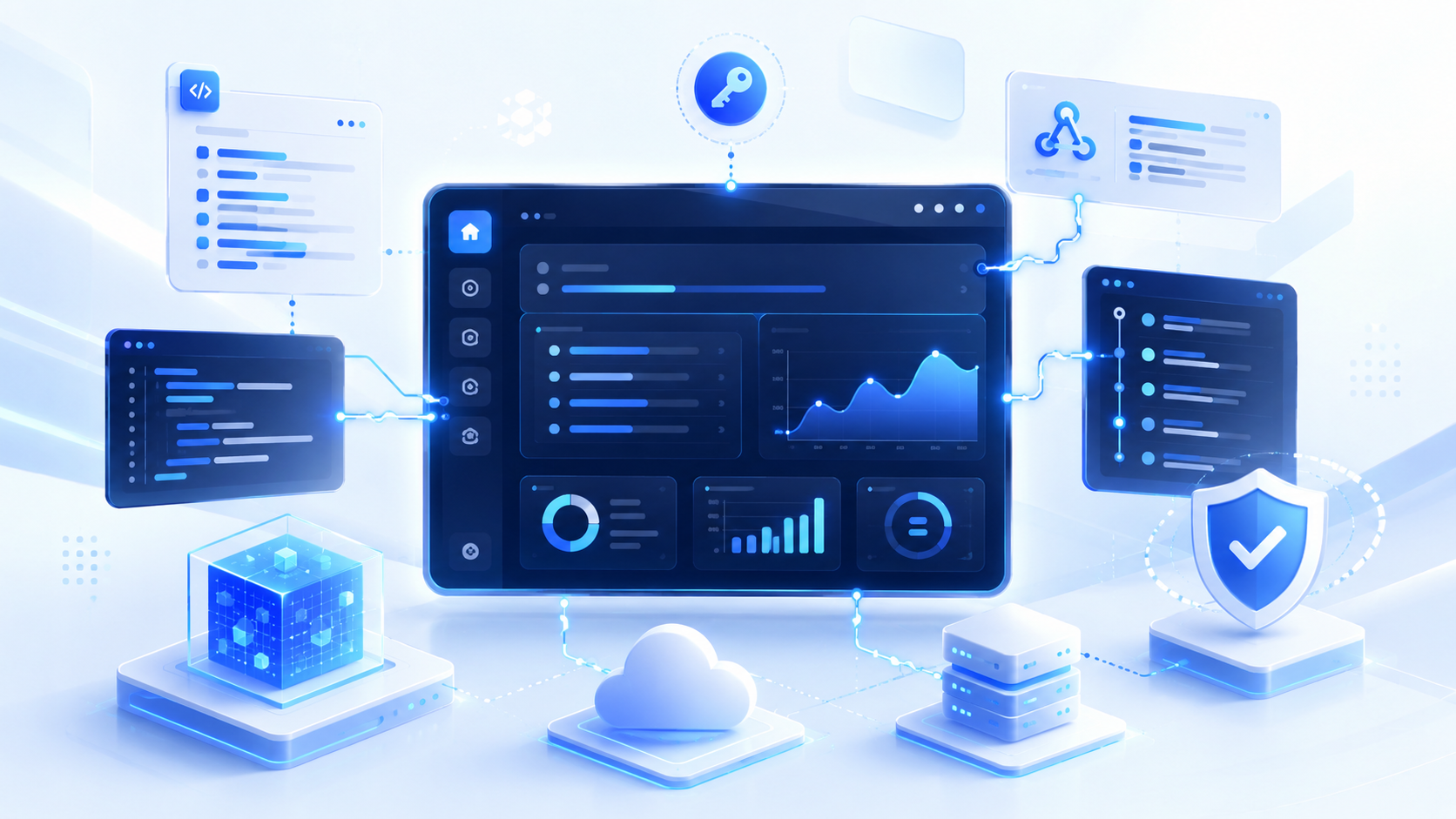
A multi-client agency needs to connect creditor systems, debt buyer data feeds, payment vendors, dialers, SMS and email tools, credit bureaus, client portals, debtor portals, reporting systems, and finance platforms.
That is why APIs are now a core requirement for debt collection software. Aktos explains this in its guide to debt collection API integration for enterprise agencies, which shows how real-time data exchange supports placements, payments, disputes, reporting, and workflow triggers.
The integration layer should change what happens next. If a payment clears, outreach should adjust. If a client recalls an account, the queue should update. If a consumer opts out of SMS, that preference should sync. If a dispute enters the system, the account should route to review. For IT teams, a debt collection developer portal can make APIs easier to test, secure, and govern. For API governance and security planning, the OWASP API Security Top 10 is a useful external reference.
How Automation Improves Collections Performance
Automation is not just about speed. It is about consistency.
When debt collection software supports automated workflows, teams can assign queues, trigger payment reminders, route disputes, escalate approvals, monitor exception aging, and update dashboards without relying on manual follow-up. Automating follow-ups also helps collectors focus on the conversations that need human judgment.
Predictive analytics and machine learning can help prioritize work, identify likely payer behavior, flag high-risk accounts, and improve contact strategy. The practical value is to help supervisors, collectors, and client teams focus attention where it matters most.
For example, the system might identify delinquent accounts with strong contact history and route them to a payment plan workflow. It might show which portfolios are creating the most broken promises or which collection cycles are slowing because approvals, documents, or disputes are stuck. Better automation improves collections performance because it reduces guesswork and makes the next action clearer.
Reporting, Evaluation, and Aktos
Client reporting should not be an end-of-month scramble. Large creditors expect status visibility, exception tracking, dispute reporting, payment reporting, DSO trends, and debt recovery progress without reconciling multiple tools.
When evaluating debt collection software, ask how the platform handles variation. Can it configure client-specific workflows without a development project? Can it manage phone, SMS, email, voicemail, letters, and portals? Can it support arrangements and settlement approvals by the client or portfolio? Can it connect with creditor systems and vendors? Can it provide audit trails?
Aktos is modern debt collection software built for agencies that need to manage complex operations without outdated systems, disconnected tools, or constant development work. The platform brings together automated workflows, omnichannel outreach, payment capabilities, portals, audit trails, dashboards, compliance management, and integrations in one connected system.
Final Thoughts
Enterprise teams win when they can handle client complexity without becoming chaotic. Every creditor will have different rules. Every portfolio will move through different workflows. Every account may require different communication, documentation, payment, and reporting steps.
Modern debt collection software makes that variation manageable. It gives agencies workflow control, real-time visibility, integrated payments, audit trails, client-ready reporting, and automation that helps teams move faster without losing control.
FAQs
Q: What is debt collection agency software?
A: Debt collection agency software helps agencies manage accounts, workflows, payments, communication, compliance, reporting, and client operations across the collection lifecycle.
Q: Why do configurable workflows matter for agencies serving multiple clients?
A: Workflow control helps agencies apply the right rules for each creditor, portfolio, account type, payment policy, communication cadence, and reporting requirement.
Q: Can automation help agencies improve debt recovery?
A: Yes. Automation can route accounts, manage payment plans, prioritize work, trigger follow-ups, and surface exceptions faster when connected to current account data, compliance rules, and human review points.
Q: What should agencies look for when evaluating a collection system?
A: Agencies should look for configurable workflows, open APIs, client dashboards, role-based permissions, compliance automation, audit trails, omnichannel outreach, reporting by client and portfolio, and flexible payment tools.