

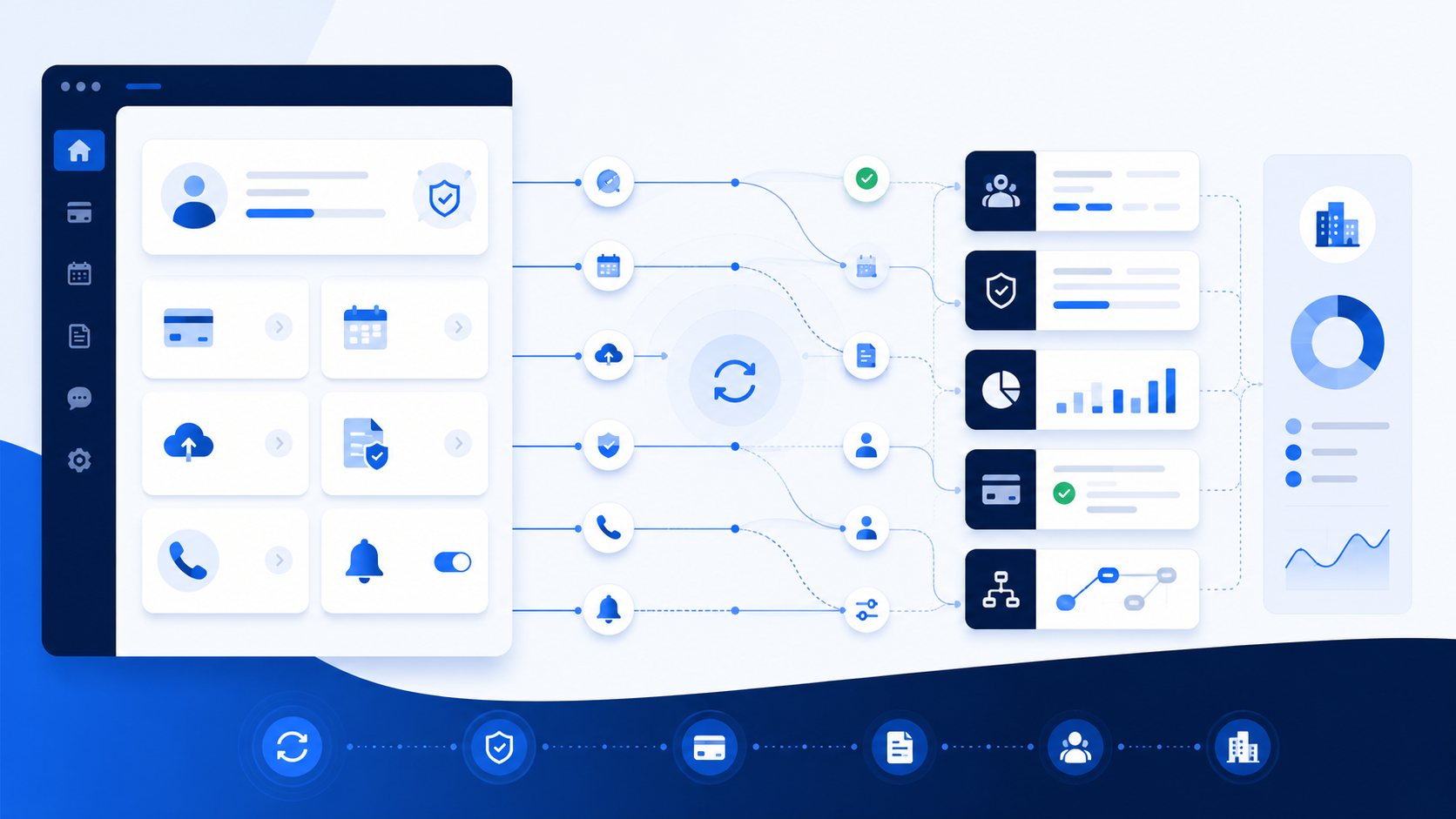
A debtor self-service portal used to be a convenience feature. For enterprise creditors, it is now a signal of whether an agency can handle modern placements without creating friction for consumers, collectors, or clients.
Large creditors do not want every basic consumer action routed through a phone queue. They expect consumers to log in securely, review account details, understand payment options, upload documents, request help, and make a payment without waiting for a live agent. Just as important, they expect every action to update the collection system immediately.
That is where many portals fall short. A consumer might pay online, but the payment history in the agency system does not refresh until a batch runs. A consumer might submit a dispute, but the collector queue does not change. A portal that creates more cleanup work is not modernization. It is a nicer front door attached to the same old back office.
For agencies pursuing enterprise placements, the portal is proof that the operation can support digital engagement, compliance documentation, client visibility, and collector productivity at scale.
Why Enterprise Creditors Care About Debtor Portals
Enterprise creditors evaluate agency partners on more than just liquidation. They care about consumer experience, complaint risk, reporting visibility, and how quickly the agency can adapt to placement rules.
A connected portal helps on each front. Consumers can complete routine tasks on their own time. Collectors spend less time answering balance questions and more time on higher-value conversations. Managers can see digital engagement, payment activity, and unresolved exceptions without having to chase inboxes.
Regulatory expectations make clean documentation more important. The FTC’s Fair Debt Collection Practices Act and the CFPB’s Regulation F shape how a debt collector communicates, validates, and documents collection activity. A portal will not replace compliance review or legal counsel, but it should support consistent records, clearer disclosures, and easier audit trails.
The same expectation exists outside commercial placements. The Bureau of the Fiscal Service administers cross-servicing for delinquent nontax federal debt and describes tools such as payment agreements, dispute resolution, and referrals to private collection agencies. That does not mean every agency needs a federal-style process. It does show how digital access, payment handling, and dispute support have become part of the broader collections operating model.
What an Enterprise-Ready Portal Should Include
Not every debtor portal is built for enterprise collection processes. Some are little more than payment pages. Others sit outside the system of record, which creates delays, missed updates, and reporting gaps.
Secure Account and Balance Lookup
Consumers should be able to verify account information, view balances, review status, and understand next steps without calling the agency. The experience should be secure, easy to navigate, and connected to the account record.
This matters because stale account data damages trust. If a consumer logs in after paying and sees an old balance, the agency may get an unnecessary call, complaint, or dispute. Real-time account status is the difference between digital service and digital confusion.
Payments, Plans, and Confirmations
A portal should support ACH, card payments, recurring plans, and scheduled payments based on client and portfolio rules. Consumers should know whether they can pay in full, choose installments, or review approved settlement offers.
The details matter. If consumers use credit cards, the agency needs the right controls for processing, convenience fees where allowed, client rules, and posting behavior. If consumers set up scheduled payments, collectors and managers should see that status before the next outreach attempt. If someone pays online, the system should generate a payment confirmation and update the account automatically.
This is why payment portals cannot live in a silo. When payment activity syncs into the broader workflow, the agency avoids duplicate calls, stale queues, and manual reconciliation.
Disputes, Documents, and Verification Support
Consumers need a simple way to submit disputes, upload documentation, request verification, or share information related to hardship, insurance, identity, or account ownership. Those files should attach to the correct account, trigger the right review path, and remain accessible for compliance teams.
A generic form is not enough. If a dispute comes through the portal, the agency needs operational guardrails: status changes, communication pauses where required, client review tasks, collector notifications, and a timestamped audit trail. Otherwise, the portal captures the issue but does not manage it. The CFPB’s consumer debt collection resources reinforce why clear account information, dispute paths, and documentation matter to consumers.
Communication Preferences and Client Visibility
Self-service does not mean consumers never want help. It means they should have more control over how they get it.
A modern portal should allow callback requests, preferred channels, language preferences, and relevant opt-outs. Those preferences should guide outreach across phone, SMS, email, voicemail, and letters. If the portal captures a preference but the dialer or messaging tool never sees it, the agency is still operating with disconnected data.
Enterprise creditors also want to know what is happening after placement. Portal activity should feed client reporting instead of becoming another manual export. When client services teams can show portal engagement alongside recovery activity, the agency has a stronger story: consumers are being offered convenient digital resolution paths, and the client can see how those actions affect performance.
What Changes at Enterprise Scale
A basic payment page may be enough for a very small operation. It is not enough for agencies managing multiple enterprise clients, portfolios, jurisdictions, and compliance rules.
At scale, the same consumer action can require a different workflow depending on debt type, client policy, account status, communication consent, or state rules. Some state agencies and public-sector creditors may also have their own documentation, reporting, or payment handling expectations. The portal must be flexible enough to support those differences without forcing every exception into a manual queue.
That is where connected collection software becomes important. The portal should not simply collect information. It should route information. A dispute should change the account status. A document upload should notify the right reviewer. A payment plan should adjust outreach. A callback request should land in the right queue. A payment confirmation should be visible before the next collector action.
Useful automation reduces handoffs, enforces repeatable steps, and keeps collectors from working on accounts with stale data.
Red Flags Agencies Should Avoid
When evaluating debtor portal capabilities, watch for signs the tool will create more work than it removes:
- Consumers can pay, but collectors cannot see the updates in real time
- The portal supports only one processor or limited payment options
- Disputes arrive as emails instead of structured account events
- Uploaded documents sit outside the account record
- Communication preferences do not sync with outreach channels
- Reports require exports, uploads, or manual cleanup
- Settlement offers and payment plans are not governed by client rules
For private collection agencies competing for larger placements, these gaps are operational risk. A portal that looks modern to the consumer but breaks down behind the scenes will eventually show up in call volume, client escalations, or compliance review.
How Aktos Supports Connected Debtor Self-Service
Aktos includes a built-in debtor portal connected to the rest of the collection platform. Consumers can manage account actions such as payments, payment arrangements, document uploads, disputes, and account questions while the agency maintains visibility across operations.
Because the portal is part of the broader Aktos platform, digital activity can support collector queues, reporting, audit trails, omnichannel outreach, automation, and compliance-aware workflows. That is the difference between having a payment page and having a connected operating layer.
For more context on platform evaluation, see Debt Collection Software: What to Look For and What to Avoid. For agencies thinking about AI-enabled operations, see AI in Debt Collection: How Leading Agencies Are Winning Today. For state-by-state compliance considerations, see Debt Collection State Laws: What Agencies Must Know.
Final Thoughts
Enterprise creditors are not just buying recovery capacity. They are buying operational confidence.
A modern debtor portal gives consumers more control, collectors better information, and clients stronger visibility. But it only works when the portal is connected to the system that runs the agency.
If your portal sits outside the core operation, it may quietly create extra cleanup. If it is built into your collection platform, it can become one of the clearest proof points that your agency is ready for larger, more demanding placements while collecting debt responsibly.
Ready to see connected debtor self-service in action? Book a demo with Aktos.


