

Disputes are not edge cases for enterprise collection agencies. They are part of daily operations.
A consumer may challenge a balance through a phone call, portal form, SMS reply, email, mailed dispute letters, or client escalation. Some cases are simple. Others require creditor documentation, payment history, credit report review, outreach pauses, supervisor approval, or legal review.
That is why the right system matters. If disputes live in inboxes, notes, and disconnected tools, a collector may not see the latest status. A payment reminder may go out before review is complete. Client services may chase documents manually. Compliance teams may struggle to reconstruct what happened later.
Modern debt collection software should turn disputes into a controlled workflow: intake, dispute tracking, evidence review, client communication, and resolution.
Why Dispute Handling Gets Harder at Scale
At low volume, an experienced team can sometimes manage exceptions through habit. At enterprise volume, that approach breaks down.
Large collection agencies may handle consumer debt, credit card debt, student loans, medical balances, overdue invoices, and accounts tied to debt consolidation programs. Each portfolio can have different rules for documentation, interest rates, payment plans, settlement authority, and reporting.
The challenge is not only answering the consumer. It is proving that the agency handled the issue consistently. The right platform should give teams one source of truth for the account, documentation, owner, and next required action.
How Strong Collection Software Should Handle Disputes
A strong tool should do more than store a note. It should guide the process from the first signal to the final resolution.
Centralized Intake
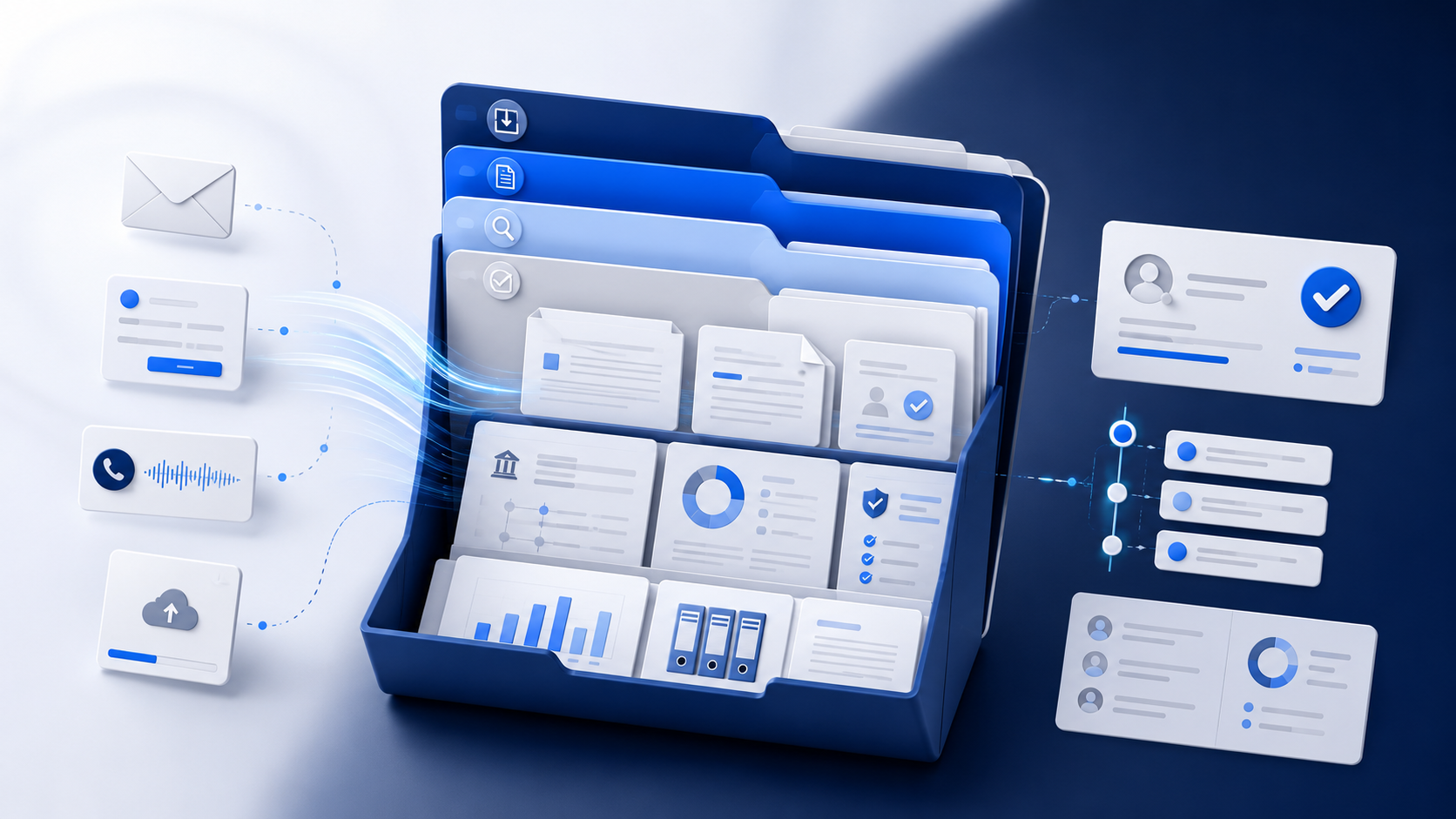
Dispute management software should make the first signal impossible to miss. A dispute can arise anywhere. A consumer may send dispute letters, request verification through a portal, challenge a balance during an inbound call, or respond through multi-channel communication. Your system should capture the issue, attach it to the right account, and assign ownership immediately.
The intake record should include the channel, date received, reason, supporting files, consumer contact history, and status. For teams handling high account volume, that structure prevents a dispute from becoming another hidden task.
Documentation and Auditability
Dispute management software also needs to organize proof, not just tasks. Contrary to a common misconception, a signed contract is not always required to collect on a debt. Agencies need sufficient documentation from the creditor to substantiate the debt if challenged. That might include statements, a charge and payment history, records showing the consumer used the service, or evidence tied to the principal balance.
The system should make files easy to request, upload, review, and preserve. It should also create an audit trail showing who received the dispute, what was reviewed, what decision was made, and when communication resumed.
For enterprise agencies, document management cannot live in email folders. It needs to be attached to the account, visible to the right roles, and available for client review.
Compliance, Reporting, and Credit Controls
Disputes affect more than collector notes. They can change what outreach is allowed, what needs to be verified, and how account data should be handled.
The CFPB’s Regulation F covers validation information, debt disputes, communications, and record retention. The FTC’s FDCPA text remains a key reference point for third-party debt collectors. This article is not legal advice, and agencies should work with qualified counsel.
Operationally, debt collection software should help enforce approved workflows. Dispute management software becomes the control layer between compliance policy and collector action. Strong controls should help pause automated workflows, control updates to credit bureaus, capture verification steps, route payment disputes, escalate bankruptcy flags, and move bankruptcy cases into review.
Credit scoring, creditworthiness, and credit management make this especially sensitive. A consumer’s credit score can be affected by reporting activity, so the bureau reporting workflow should not depend on a manual reminder.
Payment and Balance Issues Need Structure
Many disputes are tied to money movement. Dispute management software should make those account questions visible before they create rework. A consumer may challenge interest rates, say a payment was made, question payment processing, dispute a fee, or ask why a payment plan was not reflected on the balance.
The dispute workflow should connect to payment history, payment plans, payment reminders, and account status. If a case involves debt consolidation or says another debt management company is involved, the account should route for review without breaking the collection process.
This also affects DSO. If documentation is hard to find or payment issues are not routed quickly, DSO increases, and debt recovery slows. The goal is not to rush disputes. The goal is to resolve them with control, documentation, clear ownership, and the right handling of interest rates. People borrowing money may not understand how interest rates affect a balance, so reviewers need clean account context.
Integrations Matter More Than Point Tools
A standalone tracker may look useful, but enterprise agencies need dispute software connected to the systems that run the operation.
That means dispute management software should integrate with the agency’s core debt collection software, client portals, debtor portals, payment providers, credit bureaus, accounting workflows, and reporting tools. Dispute status should move with the account, not sit in a separate system that collectors, compliance teams, and client services have to check manually.
For enterprise agencies, the larger point is simple: the dispute platform should not create another silo. It should keep documentation, account status, payment activity, bureau controls, and client visibility connected in one workflow.
What Weak Dispute Handling Looks Like
Weak handling usually shows up as cleanup work. Dispute management software should reduce that cleanup by making ownership and status obvious. Teams chase emails, rebuild timelines, search for documents, and manually update statuses after the fact.
Common warning signs include disputes captured only as free-text notes, scanned letters that are not linked to workflows, bureau controls managed manually, and bankruptcy notices tracked outside the account record. Other red flags include manual bankruptcy review, bankruptcy status hidden from supervisors, and real-time dashboards that do not show dispute volume, owner, or aging.
These gaps hurt operational efficiency and increase risk. They also make it harder to explain performance to clients when disputes affect debt recovery, DSO, or bad debt reporting.
How Aktos Helps Agencies Modernize Dispute Handling
Aktos brings dispute management software into the broader collection platform. Agencies can connect intake, documentation, account status, payment activity, communication history, client reporting, and workflow automation in one system.
That matters because dispute workflows should not be separate from the rest of the operation. If a consumer submits a dispute through a portal, the account should update. If documentation is needed, the right team should be notified. If outreach needs to pause, automated workflows should reflect that. If a client asks for status, real-time dashboards should show where the account sits.
Aktos also supports modern debt collection software needs beyond disputes, including omnichannel outreach, audit-ready records, configurable workflows, client portals, payment processing, and automation. For more on platform evaluation, read Aktos’ software evaluation guide. For state-specific compliance planning, see the state-law guide. For automation strategy, see AI in Debt Collection.
Final Thoughts
Enterprise agencies need software that captures issues across channels, organizes evidence, protects audit-ready records, connects to reporting workflows, and gives managers visibility before small problems become large ones.
The best debt collection software does not ask your team to remember every step. It turns approved rules into repeatable workflows.
Ready to see how Aktos helps agencies modernize dispute handling? Book a demo with Aktos.
FAQs
Q: What is dispute software for collection agencies?
A: Dispute software helps agencies capture disputes, assign owners, collect documentation, manage verification steps, control outreach, and preserve a clear record from intake to resolution.
Q: Why does dispute software matter for enterprise agencies?
A: Enterprise agencies handle higher volume, more clients, more channels, and more documentation standards. A structured process reduces manual work and improves visibility.
Q: Should dispute workflows connect to credit reporting?
A: Yes. If a dispute affects a credit report, bureau status, or communication status, the system should help enforce the correct workflow and document what happened.
Q: Can dispute software improve debt recovery?
A: Yes, indirectly. Better routing, documentation, and ownership can reduce delays, improve operational efficiency, and keep legitimate recovery work moving.
Disclaimer: This article is for informational purposes only and does not constitute legal advice. Debt collection agencies should consult with legal counsel to ensure compliance with all applicable federal and state regulations.


