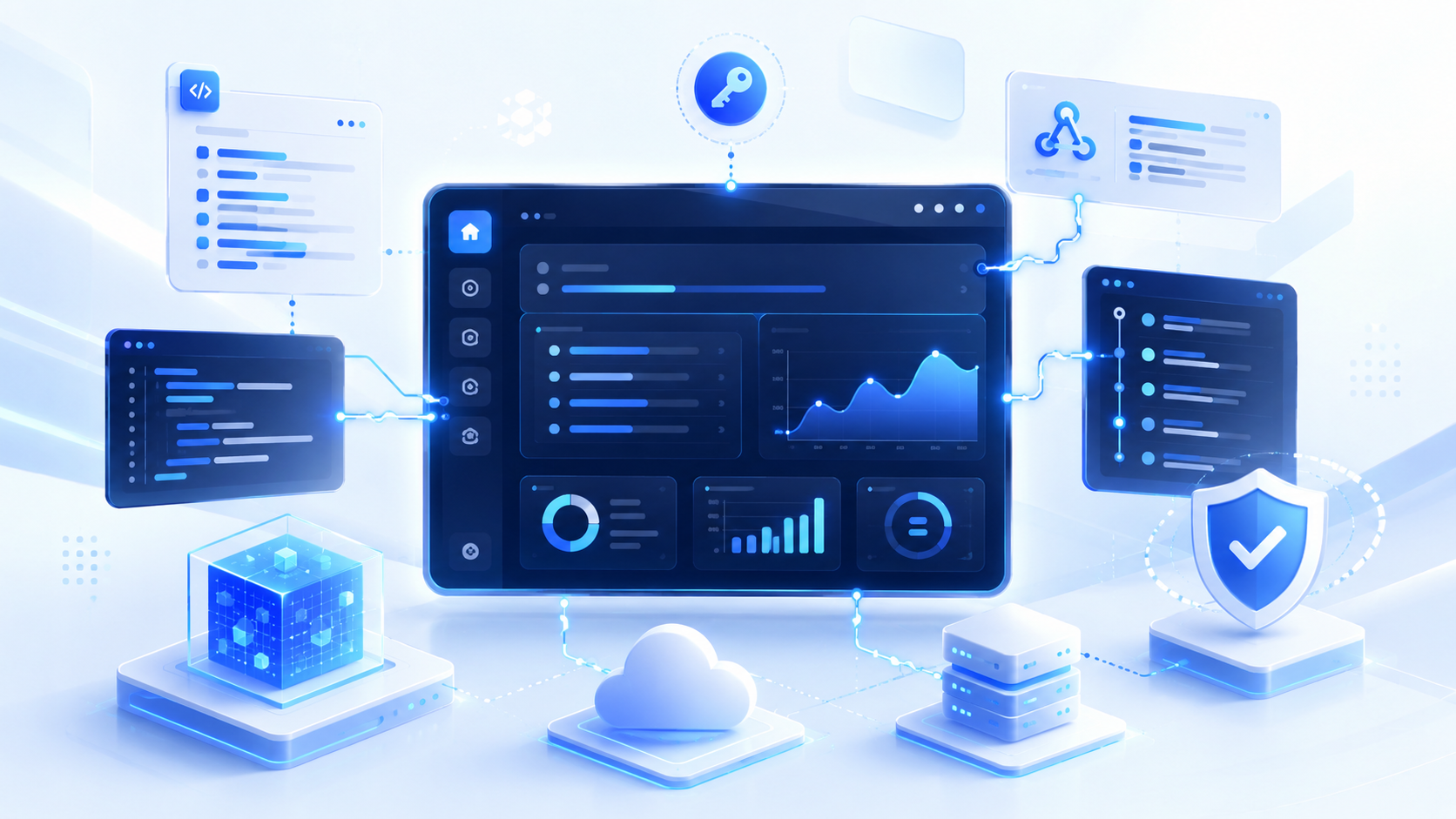

If your agency wants to win larger creditor relationships, reporting can no longer be treated as a month-end administrative task. Enterprise clients expect visibility while work is happening: placements loaded, accounts segmented, disputes moving, payments posting, call activity logged, and recovery trends changing in real time. A collection agency client dashboard gives them that operating window without forcing your team to build a custom report every time someone asks, "Where do we stand?"
For many agencies, this is where the old operating model breaks. Collectors may be doing good work, but leadership and clients cannot see enough of it until someone exports data, cleans it up, formats it, and explains it. That lag creates unnecessary anxiety. In a high-volume creditor relationship, uncertainty feels like risk. Modern dashboards turn client reporting from a reactive service burden into a trust-building advantage.
Why Real-Time Dashboards Matter To Large Creditors
Large creditors do not evaluate an agency only by dollars collected. They also care about process control, consumer experience, compliance discipline, speed of issue resolution, and the quality of communication between the creditor and the agency. A static monthly report cannot answer those questions well because it arrives after decisions should have already been made.
A useful dashboard gives stakeholders a live view into key performance indicators such as placement volume, contact rates, payment activity, promise-to-pay outcomes, dispute volumes, queue movement, and account status changes. It helps clients make informed decisions without interrupting your operations team for every update.
For agencies, that matters because enterprise buyers often compare partners on operational maturity. If one agency offers real-time reporting and another sends spreadsheets at the end of the month, the first agency feels easier to trust. That trust can influence renewals, expansion opportunities, and the agency's ability to win higher-value portfolios.
What A Strong Client Dashboard Should Show
The best dashboard is not a wall of vanity metrics. It is a focused reporting tool that answers the questions a creditor actually asks during a placement cycle. At a minimum, agencies should think in four categories.
- Portfolio performance: placements, liquidation, recovery rates, dollars collected, payment plan activity, and cash flow movement.
- Operational activity: account touches, call outcomes, SMS and email activity, queue progress, and collector productivity.
- Risk and compliance: contact limits, complaints, disputes, cease communication requests, validation status, and audit trails.
- Client service visibility: open issues, pending approvals, dispute workflows, files received, and exceptions requiring creditor input.
This structure helps every stakeholder see what matters without forcing them to interpret raw data sources. The goal is not to show everything. The goal is to make the right data easy to understand and act on.
Why Manual Reporting Fails At Enterprise Scale
Manual reporting works until it becomes the job. As client count, portfolio volume, and reporting complexity increase, teams can spend hours reconciling data instead of improving collections performance. Even worse, manual reporting introduces small inconsistencies that undermine confidence: one report uses a different date range, another excludes a queue, and another does not reconcile with payment data.
This is why automated reporting matters. When reports are powered by real-time data from the collection system, dashboards stay aligned with the source of truth. Managers do not have to ask which version is current. Clients do not have to wait for a custom export. Operations leaders do not have to choose between serving clients and managing the floor.
A modern debt collection platform should make recurring client reporting feel like a configured workflow, not a weekly scramble. That includes role-based dashboard access, templates for different client types, exportable reports, and white-label options when the agency wants a more polished client-facing experience.
Learn more: Collection Reporting Software for Month-End Chaos
Dashboards Should Support Decision-Making, Not Just Visualization
A dashboard that looks good but does not change behavior is just decoration. The real value comes when a client services leader, operations manager, or compliance team can use the dashboard to make better decisions. If disputes are rising in one portfolio, the team should see it early. If payments are improving after a message cadence change, the trend should be visible. If a contact channel is underperforming, the agency should be able to optimize before the month closes.
That means dashboards should connect reporting to workflow. A client dashboard should not be separate from account placement, debtor communication, payment processing, and dispute handling. When the dashboard sits outside the operational system, teams still have to reconcile the story manually. When it is native to the collection platform, the data becomes more useful because it reflects the actual collections process.
Compliance Visibility Builds Enterprise Trust
Enterprise creditors need confidence that their agency partners can document what happened on an account. That includes communications, consumer requests, disputes, payment activity, and collector actions. Federal requirements such as Regulation F and the FDCPA make documentation and process discipline especially important, but agencies should work with qualified counsel on their specific obligations.
The operational point is simple: clients want fewer surprises. A dashboard that surfaces compliance metrics, audit trails, open disputes, and exception queues gives creditors more confidence that the agency is not relying on memory or manual cleanup. It also helps internal agency leaders catch issues before they become client escalations.
Learn more: Proven Audit Trails for Debt Collection Compliance
What Changes When Client Reporting Becomes Self-Service
When clients can answer common questions through a secure portal, the agency gains time back. Fewer status-update emails. Fewer one-off reports. Fewer calls asking for the same metrics in a slightly different format. That does not remove the need for client service; it makes client service more strategic.
Instead of spending time assembling updates, the team can discuss performance trends, portfolio strategy, dispute patterns, and recovery opportunities. That is a different conversation. It positions the agency as an operating partner rather than a vendor that sends files back and forth.
How Aktos Fits The Dashboard Conversation
Aktos was built around modern collection operations where client visibility, automation, and account-level activity are connected. Its client portal and reporting tools are designed to give creditor clients real-time access to performance dashboards, reports, and account statuses while reducing manual updates for agency teams. That matters most for agencies trying to scale without adding administrative headcount.
The same system that supports collector workflows, payment follow-up, debtor communication, and audit trails can also support client-facing reporting. That connection is what makes dashboards operationally valuable. They do not just show outcomes. They reflect the work behind those outcomes.
Enterprise Dashboard Details That Often Decide The Deal
A collection agency client dashboard should be specific enough to support operating decisions, not just executive updates. Large creditors usually want KPIs and key metrics that connect accounts receivable activity to outcomes: liquidation, recovery rates, promise-to-pay completion, dispute movement, broken arrangements, payment posting, and cash flow. They also want forecasting that helps them understand whether a portfolio is trending ahead or behind plan before the month closes.
This is where a purpose-built agency dashboard differs from generic dashboard examples found in other industries. Marketing agencies may build a marketing dashboard around SEO, social media, Google Ads, Google Analytics, or bounce rate. A collection agency needs a reporting process tied to client data, account status, payment activity, contact attempts, dispute queues, and compliance exceptions. Those functions may still require clean visualization, but the underlying data collection problem is very different.
A mature real-time dashboard should pull from connected data sources such as the collection platform, CRM, payment system, dialer, portal, and client placement files. It should also support templates so that typical client reporting views do not have to be rebuilt for every new relationship. Custom dashboards can then be configured for creditor-specific definitions, pricing conversations, portfolio rules, and stakeholder preferences without pushing the team back into Excel.
White labeling can matter as well. When a client portal presents the agency's reporting tool cleanly, clients experience reporting as part of the service, not as a time-consuming afterthought. The best custom dashboards help both sides make data-driven decisions: the creditor sees the same real-time data the agency is using internally, while the agency reduces manual reporting, avoids mismatched numbers, and gives clients FAQs, exports, and context in one place.
A practical way to streamline client reporting is to define which metrics belong in the default view and which belong in optional drilldowns.
Final Thoughts: Reporting Is Now Part Of The Product
For large creditors, reporting is not a nice extra. It is part of the service experience. A strong collection agency client dashboard shows that your agency can operate with transparency, speed, and control. That is exactly the kind of maturity enterprise buyers look for when choosing a long-term agency partner.
If your current system turns every client update into manual reporting work, it may be time to evaluate a modern platform that makes real-time visibility part of the workflow from the start.
FAQ
Q: What Should A Collection Agency Client Dashboard Include?
A: It should include portfolio performance, contact activity, payment outcomes, dispute status, compliance indicators, and account-level visibility. The exact dashboard should depend on the client relationship, portfolio type, and reporting expectations.
Q: Are Real-Time Dashboards Only For Large Agencies?
A: No. Smaller agencies can also benefit because automated reporting reduces manual work. The difference is that enterprise clients are more likely to expect real-time visibility as part of the agency relationship.
Q: How Do Dashboards Improve Client Relationships?
A:They reduce uncertainty. When clients can see performance, activity, and exceptions in one place, they spend less time asking for updates and more time discussing strategy.