Accounts receivable collections begin before a third-party collection agency receives an account. Creditors usually start with invoices, payment terms, a due date, statements, and payment reminders inside their accounts receivable process; older delinquent accounts may later move to outside debt collection.
What Are Accounts Receivable Collections?
Accounts receivable (AR) collections cover the steps used to follow up on money owed after goods or services are delivered. The cycle can include invoices, payment terms, due dates, invoice payments, payment reminders, aging reports, payment plans, and collection strategies for late payments.
Accounts receivable management is broader. It includes tracking outstanding invoices, cash application, financial health, DSO (days sales outstanding), and balances on the balance sheet. Strong cash flow management depends on knowing which receivables are current, at risk, or overdue.
Internal AR collections and third-party debt collection sit on the same continuum, but they are not the same operational stage.
Internal AR Follow-Up vs. Third-Party Collections
Internal Accounts Receivable Management
Before placement, the creditor owns the accounts receivable collections process. AR management may include invoicing, dunning letters, payment reminders, early payment discounts, credit policies, credit management, account holds, or direct outreach on overdue invoices.
Creditors may use accounting software, a lockbox, cash application, or automation tools to keep invoice payments and the outstanding balance current. The goal is to resolve delayed payments before they become seriously delinquent while protecting cash flow.
Third-Party Collection Agency Work
Once delinquent accounts are placed, debt collectors operate under agency policies, client instructions, and applicable law. For consumer debt, the Fair Debt Collection Practices Act and Regulation F are core federal references.
A third-party agency may handle communication, disputes, payment plans, payment processing, documentation, credit reporting where applicable, and legal action where appropriate. Our guide to how a third-party collection agency works explains that operating model in more detail.
When Creditors Typically Consider Agency Support
Creditors may consider outside support when unpaid invoices continue aging despite internal follow-up, when late payments accumulate faster than staff can manage them, or when older delinquent accounts begin consuming too much internal time.
There is no universal day-past-due threshold. Payment terms, payment deadlines, credit policies, account type, customer relationships, and credit risk all affect when a creditor escalates overdue invoices.
The goal is to prevent overdue payments from becoming bad debt simply because internal capacity is exhausted. Effective first-party collections can resolve many accounts before that point; others need specialized agency support.
The Account Placement Process
1. Determine Which Accounts Will Be Placed
The creditor defines placement criteria using factors such as age, balance, status, portfolio, prior collection efforts, and account type. The selected accounts should reflect current data, not an old aging report that no longer matches the creditor system.
2. Transfer the Required Account Data
Placement data may include consumer details, original creditor information, outstanding balance, transaction history, prior payment status, relevant invoices, account notes, and supporting documentation. A creditor CRM, billing platform, or accounting software may be the upstream source.
A signed contract is not required for every consumer debt simply because an account is placed. Agencies do need enough creditor documentation to substantiate the account if challenged. The CFPB's validation information requirements are an important federal reference for consumer collections.
3. Validate the Placement Before Outreach
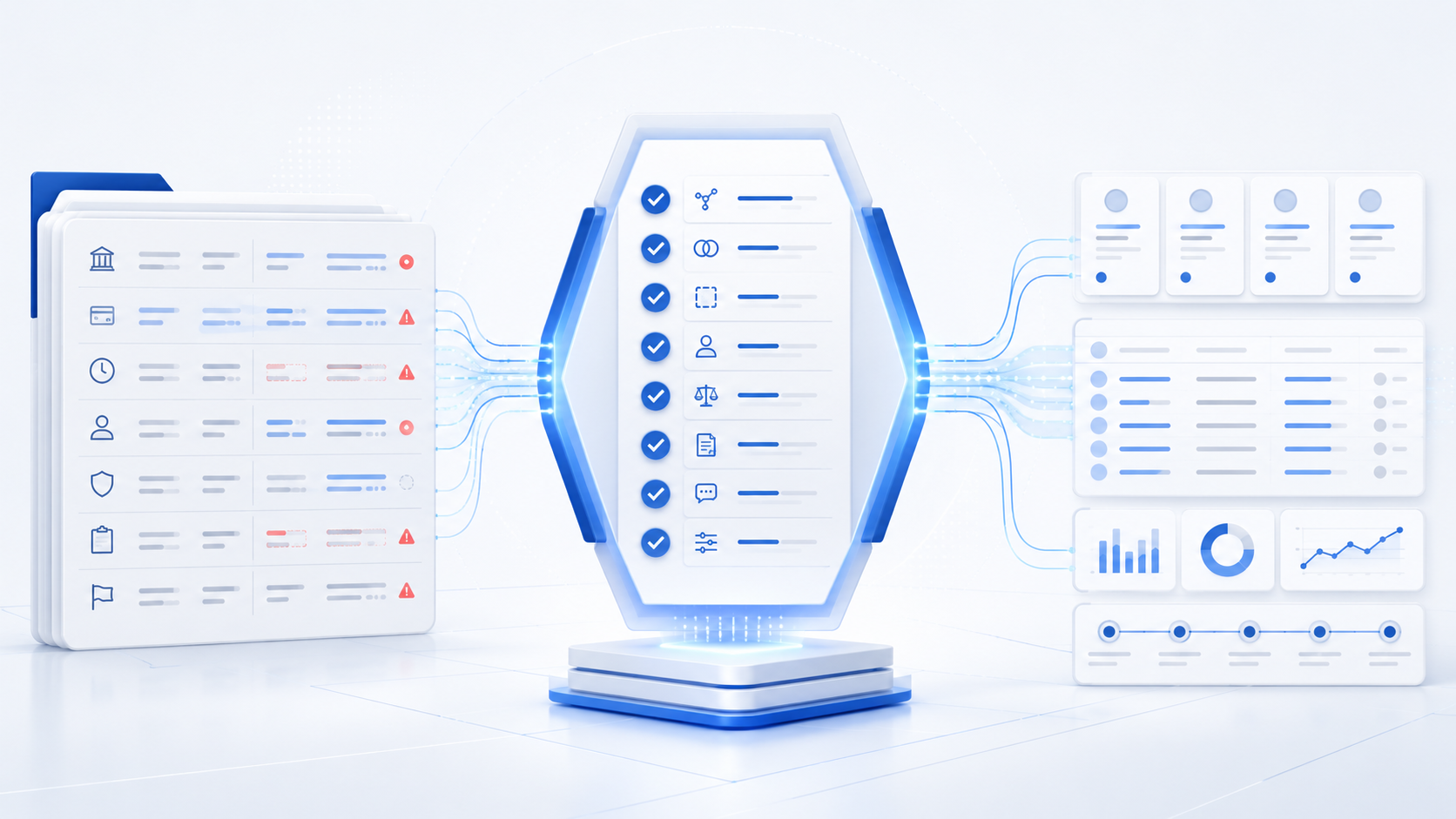
The agency should check for missing fields, duplicates, inconsistent balances, invalid status values, and other exceptions before an account enters active workflows. Our guide to placement file validation covers the controls agencies can use to catch data problems before collection activity begins.
Poor placement data creates downstream work. A missing balance or incorrect consumer detail can affect notices, collector conversations, payment plans, dispute handling, and client reporting.
What Agencies Need From Creditors
Strong AR collections depend on current information. Agencies need accurate balances, account history, clear client instructions, timely updates, and documentation sufficient to substantiate the account when necessary.
Post-placement updates matter too. If the creditor receives a direct payment, adjusts a balance, resolves a dispute, or recalls an account, the agency should receive that change quickly enough to keep payment status and outreach accurate.
Consumers may use payment methods such as credit card, ACH, or a portal. Cash applications should update the agency record and reporting so both sides share the same account status.
What Happens After an Account Is Placed
Segment and Prioritize Accounts
Agencies can segment accounts by client, portfolio, balance, account age, status, risk, or other operational criteria. Collection strategies should reflect the account context rather than applying the same sequence to every placement.
Begin the Collection Workflow
The workflow may include collector assignment, digital communication, telephone outreach, payment reminders, self-service, and escalation rules. Automation can help execute predictable steps while preserving human review for disputes, hardship, negotiations, or unusual account conditions.
Manage Responses, Disputes, and Payments
Every interaction should update the account history. Disputes may require documentation from the creditor. Payments may create a new payment status, reduce the outstanding balance, update payment plans, and change the next collector action.
For credit reporting, agencies need controls around what is furnished and when. The CFPB's rule on other prohibited practices includes requirements related to furnishing information about a debt to a consumer reporting agency.
Report Results Back to the Creditor
Client reporting should show more than recovered dollars. Useful reporting can include placement status, payments, disputes, returns, recovery performance, and portfolio-level trends. That helps creditors understand what happened after accounts left internal AR management.
How Technology Streamlines Accounts Receivable Collections
Automation can make the handoff more reliable. Automated imports reduce repetitive placement work, validation catches missing or inconsistent data, and configurable workflows apply client- or portfolio-specific collection strategies.
The creditor may use its own accounts receivable management or accounting system while the agency uses dedicated collection software. Integrations should keep placements, payment status, disputes, cash application, and reporting aligned instead of creating a disconnected second record.
For larger clients, one creditor may send multiple portfolios with different payment terms, documentation standards, reporting expectations, and collection strategies. Client portals and connected reporting help manage that complexity.
What Changes as an Agency Scales
As agencies add creditor clients, AR collections become more complex. There are more placement files, more integrations, more client-specific rules, more invoices and payment activity flowing from upstream systems, and more reporting expectations.
Processes that work for a few portfolios can break at scale when teams rely on manual imports and one-off configuration. Automation and consistent data flows help agencies preserve client-specific logic without recreating the operation for every account.
That structure protects both cash flow and client trust. It also makes it easier to measure collection performance by client, portfolio, account age, and collection strategy rather than blending everything into one number.
Final Thoughts
Successful accounts receivable collections depend on more than collector activity. They begin with the creditor's invoices, payment terms, aging process, and internal follow-up, then continue through placement, debt collection, payments, disputes, reporting, and resolution.
The better the handoff, the less operational friction both sides create. Agencies that connect placement data, workflows, automation, payments, and client reporting can manage more accounts without losing the context that makes AR collections effective.
FAQs
Q: What are accounts receivable collections?
A: Accounts receivable (AR) collections are the processes used to follow up on outstanding invoices and overdue payments. They can include internal creditor activity and, later, third-party collection agency work.
Q: When should a creditor use a collection agency?
A: A creditor may consider a collection agency when internal follow-up is no longer effective, delinquent accounts are accumulating, older receivables consume too much staff time, or specialized debt collection expertise is needed.
Q: What information does a collection agency need from a creditor?
A: Agencies generally need accurate account balances, consumer or customer information, account history, relevant invoices or records, client instructions, and enough documentation to support the debt if it is challenged.
Q: How do aging reports support AR collections?
A: An aging report groups receivables by how long they have been outstanding. Aging reports help creditors identify past due invoices, prioritize follow-up, monitor DSO, and decide when accounts may need escalation.
Q: How does automation improve accounts receivable collections?
A: Automation can streamline account imports, validation, payment reminders, workflow routing, payment updates, reporting, and exception handling so teams spend less time on repetitive administration and more time on accounts that need judgment.