Collection Agency Software Migration Guide
A collection platform can be technically live and still fail operationally. Data may transfer correctly while collectors recreate old workarounds, managers distrust reports, and support tickets pile up.
That is why software migration is not only an IT project. It is a change-management project that affects collectors, supervisors, compliance, client services, finance, administrators, and leadership at the same time.
The strongest software migration planning (and a practical software migration plan) starts with one principle: preserve business continuity while redesigning the work that should improve.
Data Migration Is Only Half the Migration
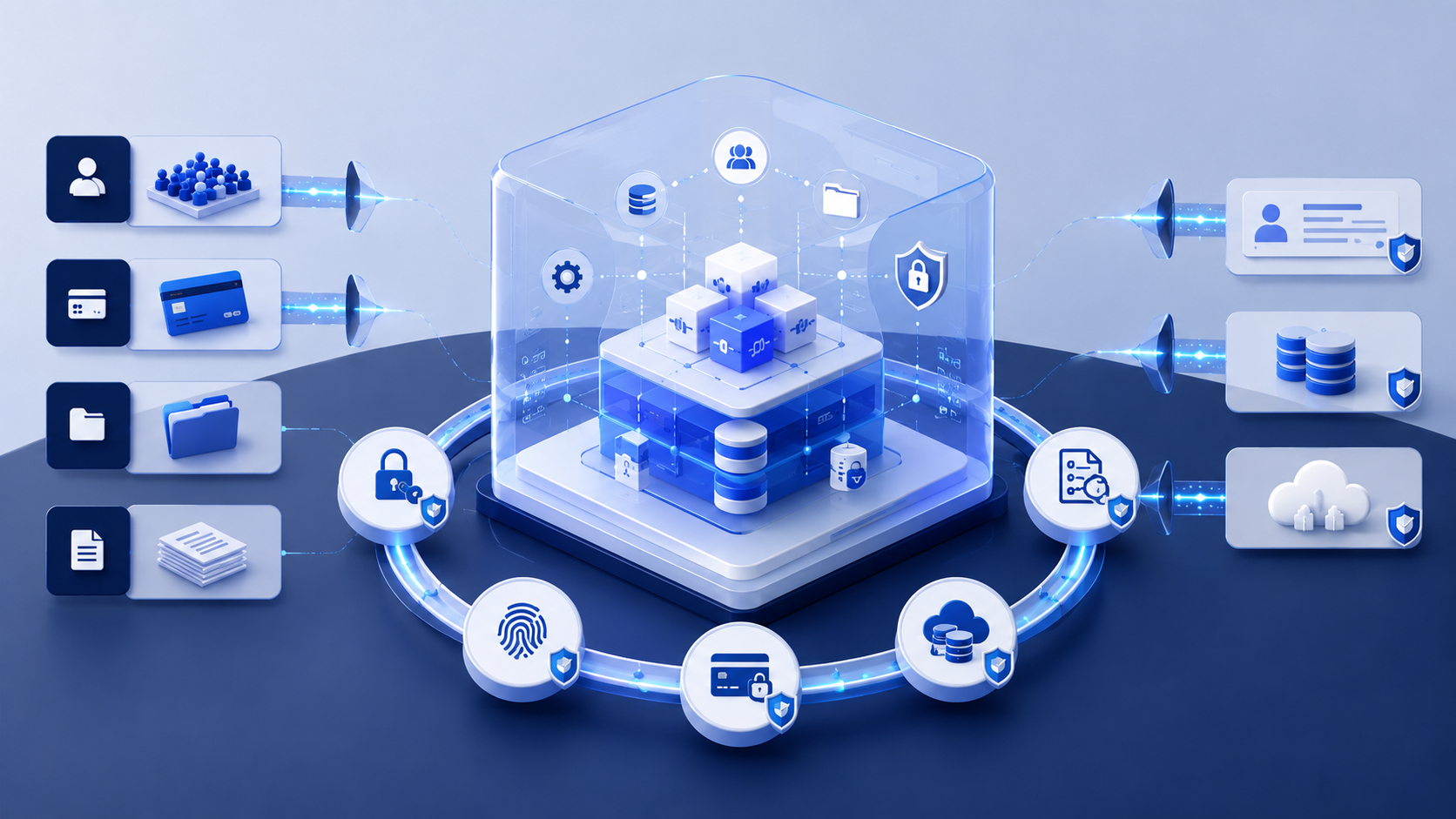
Data migration is measurable: accounts, balances, notes, documents, payment history, disputes, legal status, and custom fields either reach the target system or they do not. Successful software migration also requires people to understand how their jobs change after cutover.
Legacy systems accumulate shortcuts that may look inefficient but still contain institutional knowledge that collectors depend on.
Agencies can also use collection software onboarding best practices to structure migration around data validation, intentional workflow setup, and testing before the new system goes live.
Establish Clear Migration Ownership
Every software migration needs one accountable owner plus an executive sponsor and cross-functional team. Operations represents collector workflows; compliance reviews controls; IT owns integrations, APIs, identity, and technical dependencies; client services surfaces reporting and creditor obligations.
Large agencies may add finance, legal operations, and data management leaders to keep critical decisions from falling between departments.
A useful software migration plan names who owns data mapping, configuration, testing, training, cutover, risk mitigation, and post-launch escalation. It should also define KPIs for launch readiness and adoption.
Document Existing Workflows Before Rebuilding Them
Before configuring the new platform, map how work happens today. Follow an account from placement through segmentation, outreach, payment, dispute, client reporting, and closure.
Separate workflows worth preserving, workflows needing redesign, and workarounds that exist only because the legacy system made better processes difficult.
This is where software migration can create cost savings: reproducing every old click simply imports yesterday's inefficiency into a new user experience.
The same applies to application migration: decide whether middleware, CRM connections, ERP exports, dialer files, custom scripts, and dependencies on specific operating systems still belong in the future architecture.
Involve Collectors Early
Collectors usually find friction that project teams miss. A field hidden three clicks deeper, a payment note that no longer appears in the right view, or a queue that sorts differently can materially affect daily productivity.
Bring experienced collectors into workshops early. Ask where they lose time, errors occur, and steps feel redundant, then show what the new user experience changes and why.
Participation helps the project team find high-impact change before training week.
Build a Super-User Program
Super users bridge the gap between the migration team and the floor. Choose representatives across operations, management, compliance, and client services, then give them early access to the target system.
They should test real scenarios, document questions, and become first-line support after launch, giving migration feedback operational context.
For agencies moving from Finvi products, the CUBS Migration Guide provides a useful example of treating migration as both data extraction and operating-model redesign.
Conduct Real User Acceptance Testing
User acceptance testing should mimic work, not a product demo. Test a new placement, a payment, a failed payment, a dispute, an inbound call, an outbound sequence, an account note, a queue transfer, a client report, and any required legal or compliance workflow.
Testing should cover APIs and downstream systems too. If an ERP receives remittance data or another application supplies placements, validate the complete path instead of only confirming that each endpoint responds.
For database migration, reconcile record counts and key financial fields between source and target systems. A second database migration check should test data integrity, permissions, and error handling to reduce data loss or silent mismatches while transferring data.
The NIST contingency planning guidance is written for information systems broadly, but its emphasis on recovery planning is useful when thinking about business continuity around a major cutover.
Train Around Jobs, Not Features
Role-based training is more practical than a feature tour because it starts with the work each person must complete.
Collectors need to know how to open an account, document a conversation, take or record a payment, recognize a dispute, and move to the next account. Managers need queue controls and reporting. Compliance needs audit visibility. Admins need permissions and configuration. Client services need portfolio and reporting workflows.
If automation now handles a task, training should explain the exception path rather than recreate the old manual step.
Plan the Cutover
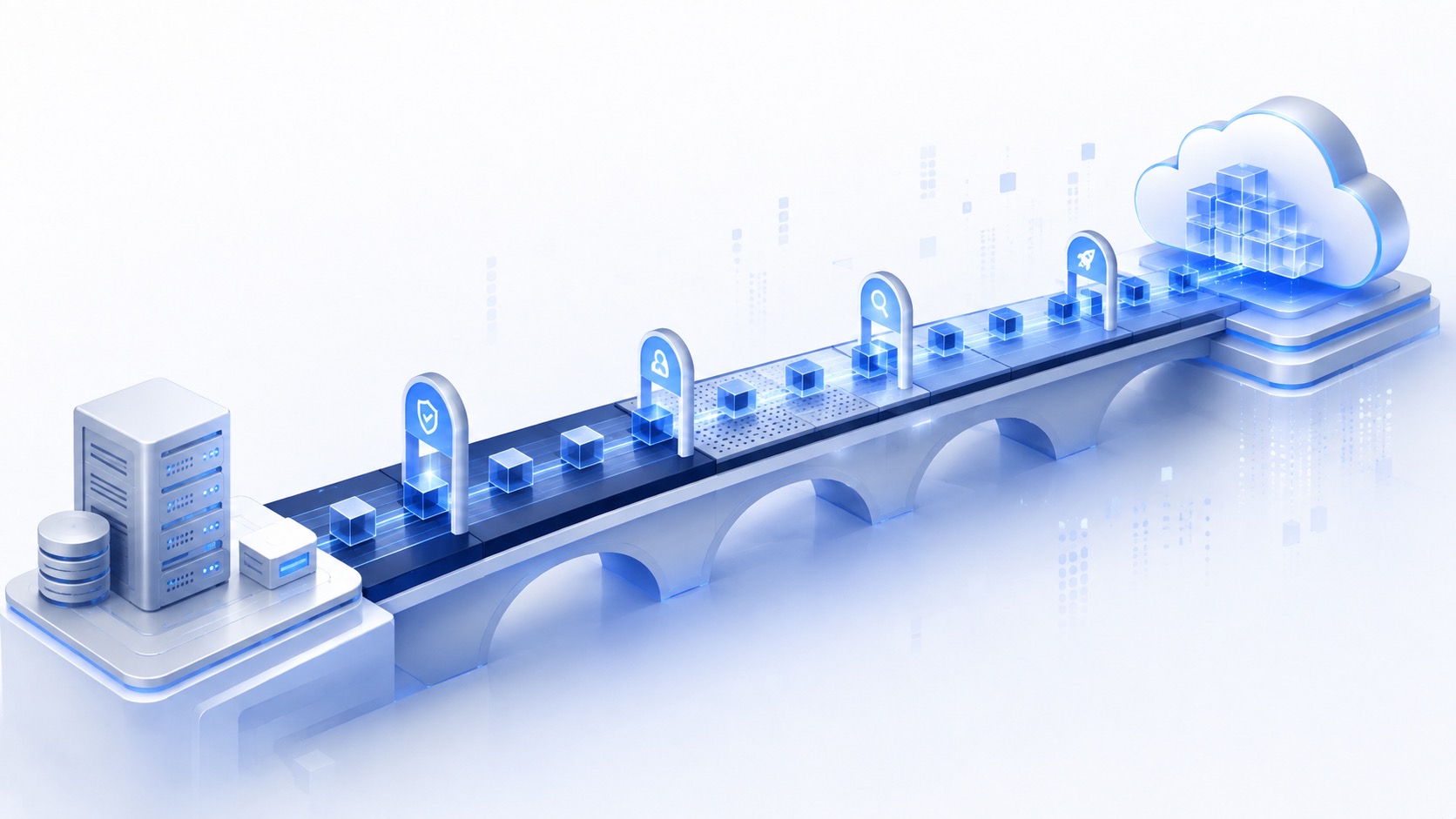
A software migration cutover should define the final data extraction, freeze window, validation steps, integration switch, user access, escalation path, and go/no-go criteria.
Parallel operations can help in some migrations but create duplicate-live-activity risk in others. The choice depends on the computing environment, payment flows, communication systems, and client commitments.
Technology teams may use cloud migration terms such as rehosting, replatforming, refactoring, or re-architecting, which AWS outlines in its official migration strategy guidance. For agencies moving to software-as-a-service, the bigger priority is deciding what needs to be fully operational at cutover and what can be phased in after the new system is stable.
Do not let debates about Linux, microservices, a data center, or hybrid cloud distract from collector readiness unless those technologies are actual dependencies. SaaS may use AWS behind the scenes without making AWS an agency operating task.
Measure Adoption After Launch
Launch day begins the final software migration phase. Track logins, workflow completion, support requests, error rates, payment issues, queue productivity, and usage of new functionality.
These KPIs help teams identify whether problems come from the system or from training, while also tracking return on investment. ROI can include reduced manual effort, faster reporting, lower support burden, and better scalability, not only license cost.
If the project involves a cloud migration or larger application migration, technical metrics such as integration failures and processing latency may belong beside operational metrics.
What the First 30-90 Days Should Look Like
The first weeks should prioritize stabilization: resolve high-frequency issues, protect critical workflows, and avoid redesigning everything at once.
Once operations are reliable, optimize automation, segmentation, client reporting, and temporary legacy middleware or manual steps kept for risk mitigation.
This is often where replatforming, or a deliberate replatform phase, adds more value than a pure lift-and-shift. A lift and shift preserves the old model; thoughtful software migration creates room to modernize it.
Agencies evaluating that transition can use Finvi FACS vs. Aktos to frame questions about scalability, workflow flexibility, integrations, payments, and reporting.
Final Thoughts: Migrate the Work, Not Just the Data
Software migration succeeds when the target system is technically sound and the agency can operate confidently inside it. Data security, data integrity, training, workflow design, business continuity, and ownership all matter because collection work cannot simply stop while a new system settles in.
Aktos approaches implementation as a guided migration of data and operations, helping agencies map workflows, configure the platform, test critical processes, train users, and move from legacy software to a modern SaaS environment with less disruption.
FAQs
Q: How do you manage software migration for a collection agency?
A: Start with ownership, workflow mapping, data migration, integration requirements, user acceptance testing, role-based training, cutover planning, and post-launch adoption metrics. Treat the migration as an operating change, not only a technical transfer.
Q: Who should own a collection software migration?
A: One project owner should be accountable, with an executive sponsor and representatives from operations, compliance, IT, client services, and other affected functions. Larger agencies may add finance, legal operations, or data teams.
Q: How should collectors be trained on new software?
A: Train around real collector jobs and scenarios rather than feature menus. Use test accounts to practice notes, payments, disputes, queues, communication workflows, and escalation before production launch.
Q: What is the difference between rehosting, replatforming, and refactoring?
A: Rehosting moves an application with minimal change, replatforming changes some underlying platform components, and refactoring or re-architecting changes the application more substantially. The appropriate approach depends on the existing system and migration goals.