A comprehensive data security checklist is essential for collection agencies evaluating debt collection software vendors. Agencies manage sensitive data daily, including personally identifiable information (PII), personal data, financial records, payment data, creditor files, dispute documentation, call recordings, settlement history, client reports, access logs, and audit trails.
Data security, data protection, and cybersecurity are core software requirements because weak security controls can expose agencies to data breaches, cyberattacks, ransomware, unauthorized access, data loss, compliance violations, and reputational damage. A vendor may offer automation, AI tools, payment portals, client dashboards, and reporting workflows, but the platform must still deliver strong encryption, access control, backup testing, disaster recovery, API security, and vendor risk management.
Use this data security checklist to evaluate security measures, security policies, and information security controls before trusting a vendor with consumer data, payment data, client data, and operational data.
Start With Data Inventory, Data Flow, And Data Classification
Before reviewing cybersecurity controls, agencies should understand what data the platform collects, stores, processes, transmits, exports, archives, and deletes. A reliable vendor should clearly explain its data inventory, data flow, data lifecycle, and data retention policies.
Review how the software handles consumer data, personal data, PII, SSNs, phone numbers, addresses, emails, creditor data, account balances, dispute records, payment data, ACH details, cardholder data, communication data, operational data, reports, dashboards, and user permissions.
Data classification is critical because not every field carries the same risk. Sensitive data, payment information, protected health information (PHI), confidential client data, and financial records require stronger data protection controls than low-risk fields. Vendors should also define data collection practices, data privacy policies, deletion workflows, data retention schedules, and secure export controls.
Verify Encryption And Cybersecurity Controls
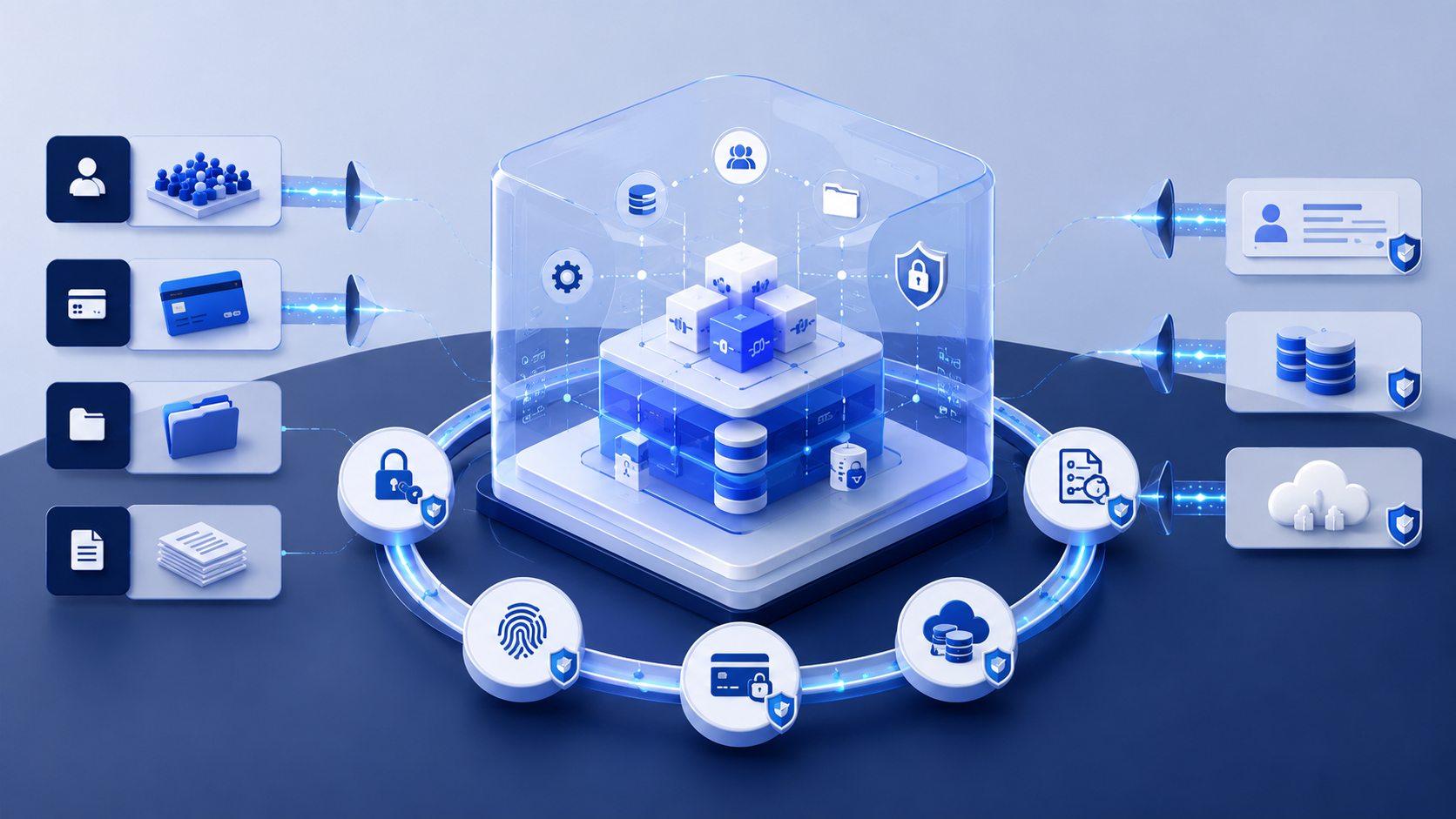
Encryption is a foundational data security control. Collection software should use encryption in transit, encryption at rest, encrypted backups, secure API communication, and protected logs. Vendors should explain how they secure databases, file storage, attachments, reports, exports, payment workflows, backups, and third-party integrations.
TLS/SSL should protect data in transit, while strong encryption standards protect data at rest. Export controls should prevent unauthorized downloads of sensitive data and ensure report generation is logged, monitored, and restricted.
The FTC's Start with Security guidance emphasizes secure storage, access control, secure transmission, vendor oversight, and ongoing cybersecurity practices.
Agencies should also evaluate firewalls, endpoint security, antivirus software, VPN access, patch management, vulnerability management, penetration testing, phishing training, social engineering awareness, cloud security, network security, and secure configuration management. Effective information security depends on layered cybersecurity controls.
Evaluate Access Control, IAM, And MFA
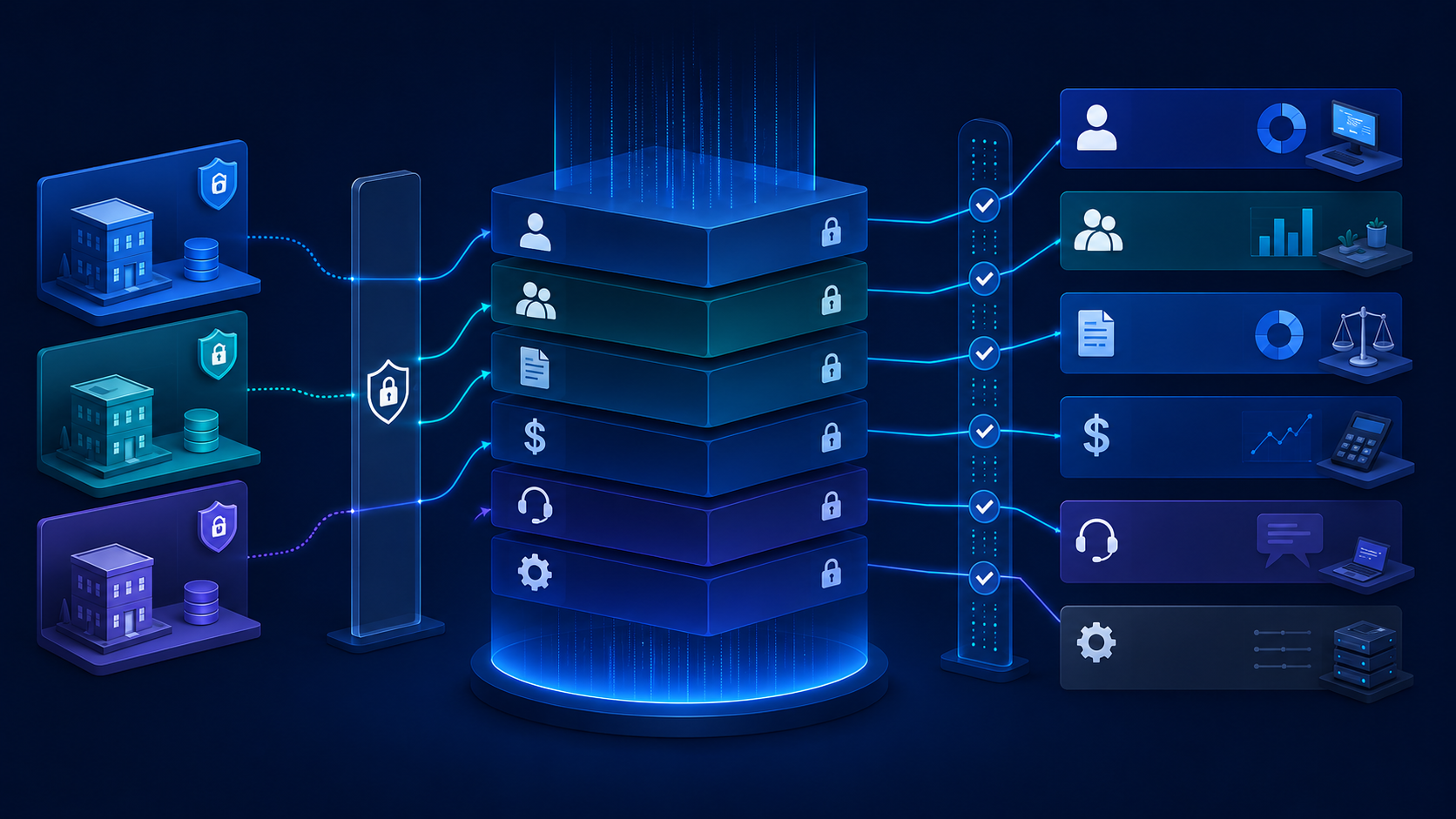
Access control determines who can view, edit, approve, export, or delete sensitive data. Strong collection software should support identity and access management (IAM), role-based access control (RBAC), least privilege access, multi-factor authentication (MFA), access logs, user activity monitoring, and regular access reviews.
Collectors should access assigned accounts only. Supervisors may need queue visibility and escalation controls. Finance users may need payment processing and reconciliation. Compliance users may need audit trails, dispute records, consent history, and read-only account activity. Administrators should manage configuration without unrestricted access to all sensitive data.
Access control should cover account-level permissions, field-level permissions, payment processing permissions, data exports, workflow configuration, client portal access, API credentials, administrator rights, and privileged access. MFA should be required for administrators and strongly recommended for all users. Access reviews should remove inactive users, stale client accounts, unnecessary permissions, and privilege creep. For a deeper look at account-level and field-level controls, Aktos's guide to data permissioning in debt collection software explains how agencies can limit sensitive data access by role, client, portfolio, and workflow.
Review Payment Security, PCI DSS, And HIPAA
Payment security is one of the highest-risk areas of data security for collection agencies. Vendors should explain how they protect payment data, cardholder data, ACH transactions, recurring payment plans, payment portals, refunds, reversals, tokenization, secure payment gateways, and payment processor integrations.
The PCI Security Standards Council provides PCI DSS standards for protecting cardholder data. Collection software vendors should explain how their platform reduces exposure to sensitive payment information through tokenization, restricted access, audit logs, encryption, and secure payment workflows.
Healthcare-related collections may require safeguards for protected health information. The HHS HIPAA Security Rule outlines administrative, physical, and technical safeguards for PHI. Agencies should confirm HIPAA responsibilities with clients and counsel.
Assess Backups, Disaster Recovery, And Business Continuity
Backups alone are not enough. Agencies need disaster recovery and business continuity capabilities that protect availability, integrity, and operational resilience during cyberattacks, outages, ransomware events, vendor failures, or accidental data loss.
Ask vendors about backup frequency, backup retention, encrypted backups, storage redundancy, recovery time objectives (RTO), recovery point objectives (RPO), disaster recovery plans, backup restoration testing, ransomware protection, incident response plans, breach notification procedures, and business continuity procedures.
Agencies evaluating recovery planning can also use Aktos's guide to secure cloud disaster recovery for collection agencies to pressure-test backup restoration, ransomware readiness, and continuity planning.
Collection operations depend on system availability. If software is unavailable, collectors cannot access accounts, payments may not process, consumers lose self-service options, and clients lose reporting visibility. A strong disaster recovery strategy protects data security, data availability, and agency operations.
Confirm Audit Trails, Monitoring, And Security Audits
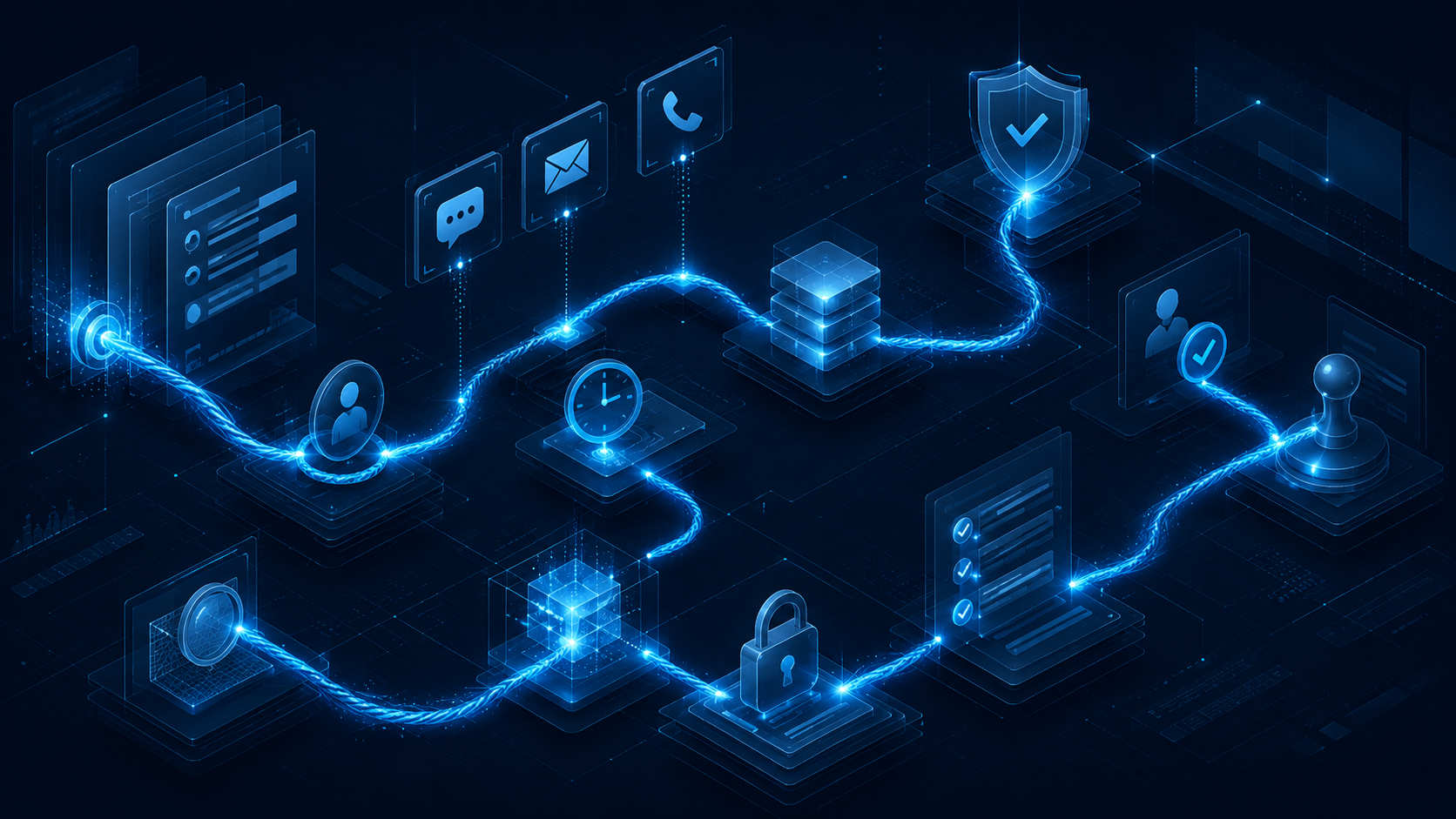
Audit trails and access logs provide visibility into system activity and support compliance audits, security monitoring, client reporting, and incident investigation. A comprehensive audit trail should capture user logins, authentication events, account access, data changes, payment transactions, report exports, workflow changes, administrative actions, permission changes, and API activity.
Audit logs should be searchable, filterable, retained according to policy, and available to authorized compliance or security users. Monitoring should help detect failed login attempts, unusual access patterns, unauthorized exports, inactive accounts, privilege changes, suspicious activity, and potential data breaches.
For collection-specific examples, Aktos's article on audit trails for debt collection compliance shows why searchable logs matter for client reporting, compliance audits, and incident investigation.
Agencies should also ask about security audits, SOC 2 reports, penetration testing, vulnerability assessments, risk assessments, risk management programs, employee security training, incident response procedures, breach notification processes, and third-party vendor risk management.
Evaluate API Security And Third-Party Integrations
Modern collection software depends on a broad network of integrations, including payment processors, dialers, CRM systems, communication tools, email and SMS platforms, letter vendors, credit reporting workflows, skip tracing providers, client portals, and reporting platforms. Those connections make operations more efficient, but they also expand the agency's cybersecurity and data protection exposure.
That is why secure APIs matter. Vendors should support authentication, authorization, API key management, key rotation, scoped permissions, least privilege access, encryption, rate limiting, logging, monitoring, and clear onboarding and offboarding processes for every integration.
Third-party access should be limited to the minimum data and workflow required. Vendors should demonstrate how integrations are permissioned, monitored, reviewed, and revoked. Integrations should improve operational efficiency without creating uncontrolled access to sensitive data.
Use This Vendor Data Security Checklist
During vendor evaluations, ask:
- What sensitive data does the platform collect, store, process, transmit, export, and delete?
- How are data inventory, data flow, data classification, data retention, and data privacy documented?
- How is data encrypted in transit and at rest?
- How are IAM, RBAC, MFA, access control, and least privilege enforced?
- How are payment workflows, PCI DSS requirements, and cardholder data handled?
- How are HIPAA and other compliance requirements evaluated for relevance?
- How are backups, disaster recovery, business continuity, and ransomware protection tested?
- What audit trails, access logs, monitoring, and security audits are available?
- How are APIs, integrations, and third-party vendors secured?
- What incident response, breach notification, and vendor risk management processes exist?
Aktos is modern debt collection software designed for agencies that need secure workflows, access control, payment security, audit trails, reporting, integrations, and compliance-focused automation in one platform.
FAQs
Q: What is a data security checklist for collection software?
A: A data security checklist is a structured framework for evaluating software vendors across data inventory, data classification, encryption, access control, payment security, backups, disaster recovery, audit trails, API security, cybersecurity, and vendor governance.
Q: Why is data security important for collection agencies?
A: Collection agencies handle sensitive data, personal data, payment data, financial records, and client information. Strong data security reduces the risk of data breaches, cyberattacks, ransomware, unauthorized access, data loss, and compliance violations.
Q: What security controls should collection software include?
A: Collection software should include encryption, MFA, RBAC, least privilege access, access logs, audit logs, secure APIs, backup testing, vulnerability management, penetration testing, security audits, incident response, and breach notification.
Q: Are backups enough to prevent data loss?
A: No. Backups must be combined with disaster recovery planning, ransomware protection, business continuity procedures, access control, monitoring, incident response, and tested restoration processes.