Debt Collection Operational Quality Assurance Checklist
Quality assurance in a collection agency cannot stop at “Did the collector sound professional?” A call can sound excellent while the wrong account status is selected, a payment is posted incorrectly, a dispute is missed, or a follow-up remains active when it should stop.
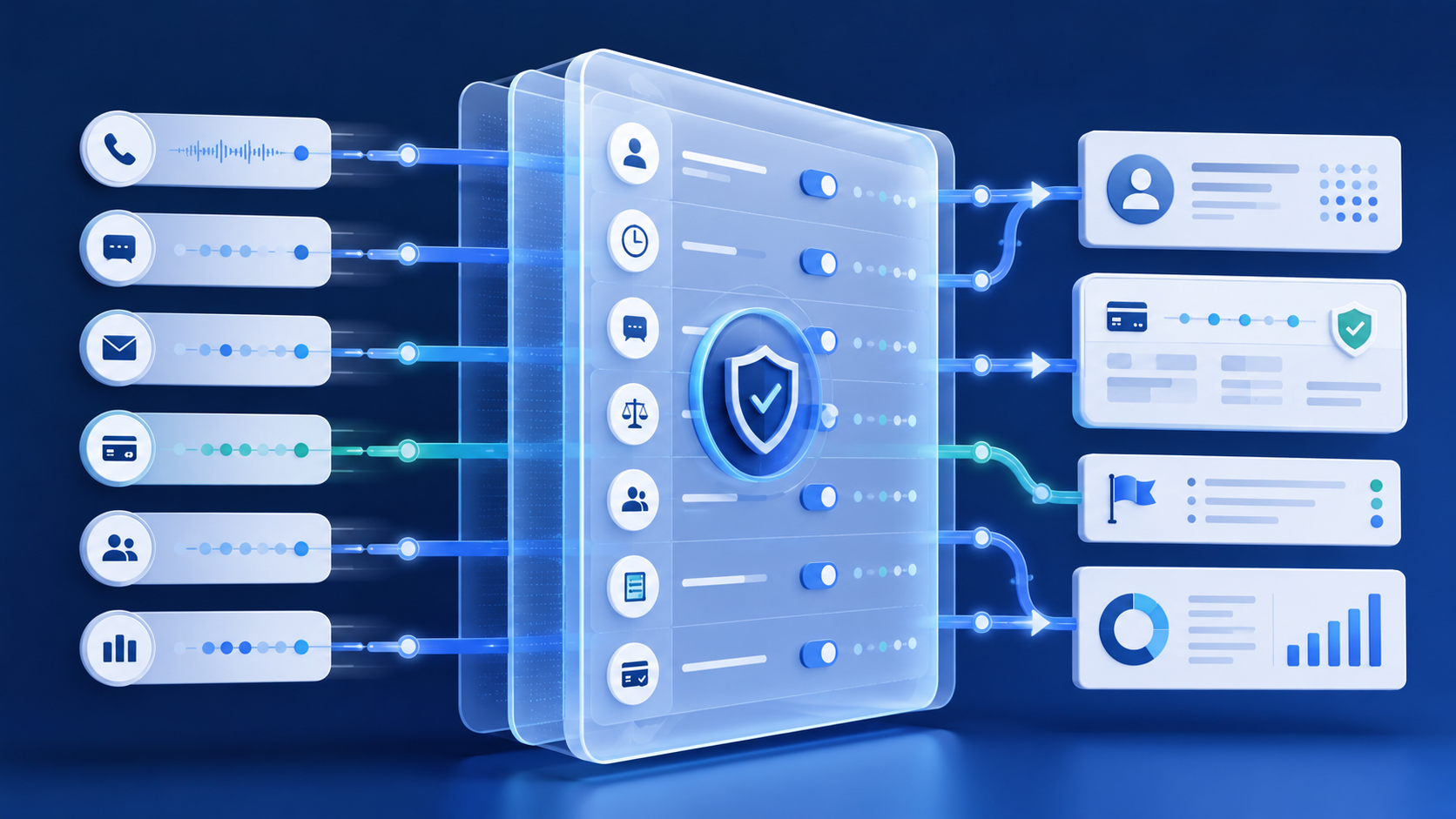
A useful QA checklist evaluates the full account workflow: calls, payments, disputes, notes, AI interactions, escalations, SMS, email, letters, portal activity, and the system actions that follow.
The goal of a QA checklist is not to catch people doing something wrong. It is to create a repeatable feedback loop that improves consistency, supports compliance controls, and shows leaders where workflows need attention.
QA Should Evaluate the Entire Account Workflow
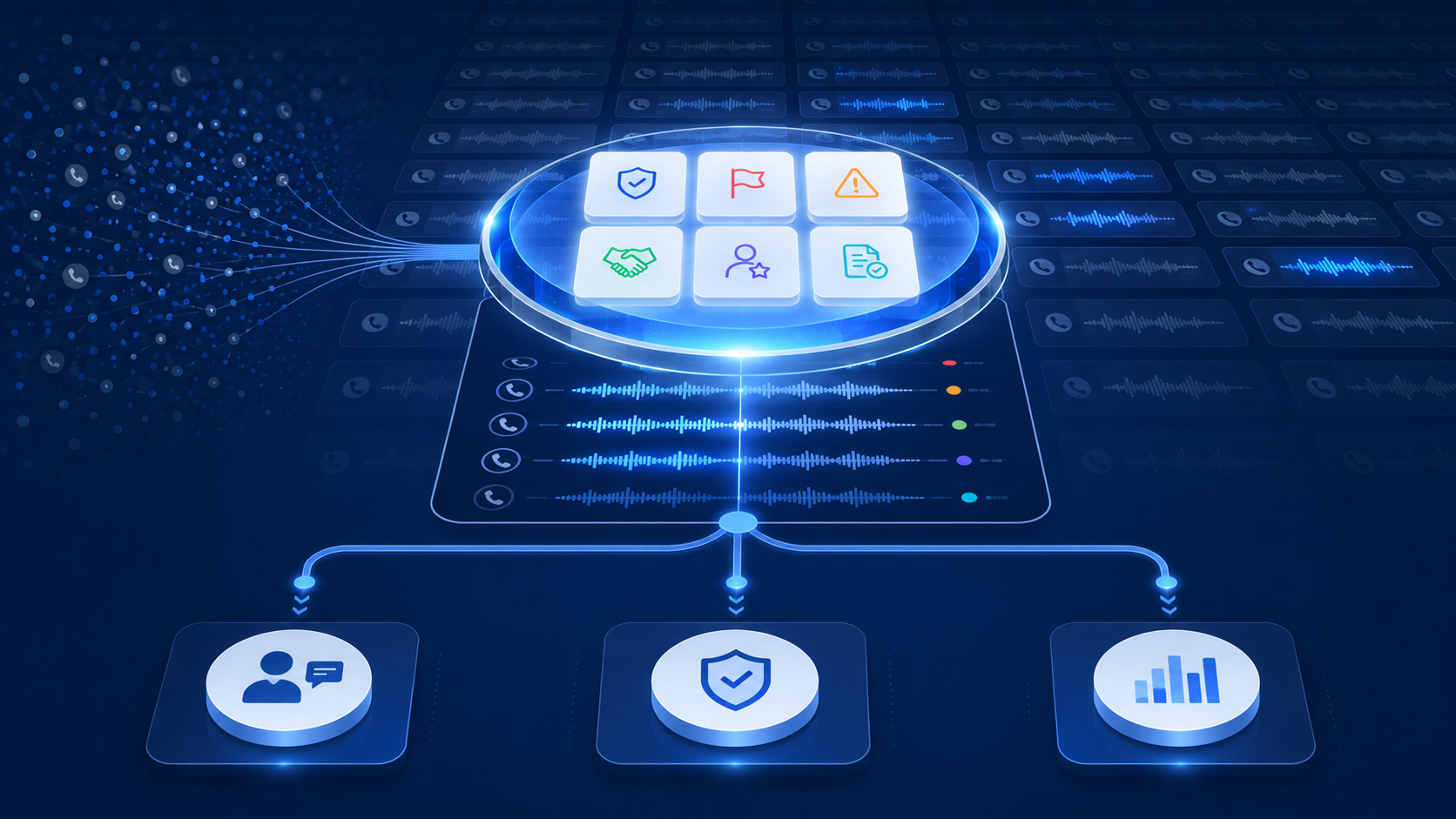
Traditional call monitoring gives supervisors only one slice of the account. Modern quality management should connect what was said with what happened afterward.
For example, a collector may correctly recognize a dispute but fail to apply the right status. An AI agent may deliver an approved disclosure but route a hardship conversation incorrectly. A payment may be authorized correctly while the account balance remains unchanged.
In our guide to using collection software for quality assurance, we explain how connecting call activity, account context, payments, workflow status, audit trails, and reporting can make QA more effective.
A collection QA checklist is not a manufacturing quality control checklist or software QA checklist template.
Call QA Checklist
Define the behaviors and outcomes that matter on a collection call. The QA checklist should cover identity verification, required disclosures, accurate account information, professional handling, disposition, escalation, and complete notes.
The FTC's FDCPA text and the CFPB's Regulation F are foundational federal references for third-party debt collectors, but agencies should work with qualified counsel to translate applicable law, state requirements, and client rules into their own QA checklist.
Critical failures should be separated from coaching opportunities. A missing required disclosure should not carry the same weight as an awkward phrase or a slightly inefficient call flow.
Payment QA Checklist
Payment QA should confirm more than whether money was collected. The reviewer should verify the account, amount, authorization, payment-plan terms, transaction result, receipt, ledger update, and any follow-up suppression triggered by the payment.
A strong quality control checklist asks whether the payment record matches the agreement and whether downstream workflow states changed correctly. Arrangement dates and installments should match the conversation; resolved accounts should trigger appropriate outreach suppression.
Also review payment data security and access so sensitive payment data is not exposed in notes or call records.
Dispute QA Checklist
Dispute QA starts with recognition. Did the collector or AI agent understand that the consumer was disputing the debt, even if the consumer did not use the word “dispute”?
The QA checklist should then assess whether the account status, documentation, routing, client involvement, and resolution record followed the agency's approved process. Where a workflow hold is required by policy or applicable law, the reviewer should confirm that the system actually applied it.
The CFPB's Regulation F dispute interpretation is a useful source, while the agency's QA checklist should reflect its own legal guidance and client requirements.
AI Agent QA Checklist
AI adds another layer because leaders evaluate conversation quality and system behavior. The QA checklist should verify identity handling, approved disclosures, account accuracy, payments, unexpected responses, escalation, and logging.
Test edge cases deliberately: interruptions, ambiguous answers, supervisor requests, wrong-party claims, disputes, and payments that do not match an approved arrangement.
This is functionality testing for the operational workflow, not simply a “did the bot sound human?” exercise. Agencies can also use test automation for repeatable scenarios where it makes sense, while preserving human review for nuanced conversations.
For more on AI phone agent compliance, explore our guide to managing disclosures, consent, call timing, sensitive data, and escalation.
Cross-Channel QA
Cross-channel QA should find conflicting information and stale workflow states. An opt-out, portal payment, or dispute should be visible to the workflows that need that status.
Metadata such as timestamps, channel, user or AI agent, workflow step, disposition, template version, and account status makes the assessment checklist easier to audit. Good metadata also helps trend failures.
If vendors or sub-contractors participate in letters, payments, dialing, or communications, define where each subcontractor enters the QA process.
Build a Repeatable QA Scorecard
A repeatable QA checklist needs objective scoring rules: required specifications, evidence to inspect, and critical versus non-critical failures.
Avoid cosmetic scoring. The quality assurance checklist should test whether the operation produced the right outcome with the right controls; a polished conversation should not hide a material account error.
Larger agencies can sample by collector, client, portfolio, call type, complaint risk, AI workflow, dispute outcome, or payment exception, improving operational efficiency by directing QA toward higher-risk areas.
Modern debt collection compliance software controls can also help leaders centralize audit trails, workflow controls, reporting, and exception visibility.
Turn QA Findings Into Corrective Action
A QA checklist is useful only if findings drive corrective actions such as coaching, script revisions, workflow changes, configuration updates, monitoring, or compliance escalation.
Trend root causes. Repeated collector misses may signal training; errors across teams may signal a weak user experience; an API that repeatedly fails to update accounts may signal integration reliability rather than collector performance.
For software quality around integrations, teams may add security testing, secure testing procedures, functional testing, and targeted technical checks when an operational issue may actually be a system defect.
Measure QA Trends Over Time
Track failure categories, teams, collectors, AI workflows, clients, and portfolio types. The objective is continuous improvement, not a monthly pile of scorecards.
As quality objectives change, update the QA checklist and inspection criteria. Formal quality management plans can document ownership and review cadence when the agency needs that structure.
Think about QA across operation phases, including launch, stabilization, routine operation, and major workflow change. A separate operating phase may emphasize trend monitoring over launch testing.
A mature QA checklist helps leadership ask: Where are we failing, why, and which corrective action will prevent recurrence?
Final Thoughts: Make QA Part of the Operating System
The strongest QA programs connect conversation review to the account actions that follow. That means evaluating calls, payments, disputes, AI, notes, channels, integrations, and escalations as one operating system rather than separate tasks.
Aktos gives agencies a unified account history, audit trails, workflow automation, AI interaction records, and reporting so QA teams can investigate issues with more context and turn findings into operational improvement.
FAQs
Q: What should a collection quality assurance checklist include?
A: It should include call handling, identity verification, disclosures, account accuracy, payments, disputes, notes, escalation, AI behavior, cross-channel consistency, workflow outcomes, and corrective actions relevant to the agency's policies.
Q: How many calls should collection agencies review?
A: There is no universal number that fits every agency. Sampling should reflect risk, team size, client requirements, complaint trends, collector experience, AI usage, and the agency's compliance program. Qualified counsel or compliance leadership should set the policy.
Q: Should AI collection calls go through QA?
A: Yes. AI interactions should be reviewed for identity verification, disclosures, account accuracy, payment behavior, dispute recognition, escalation, unexpected responses, and complete logging, just as human workflows are reviewed.
Q: How should QA failures be tracked?
A: Track failures by category, severity, collector or AI workflow, client, portfolio, root cause, and corrective action. Trend the results over time so repeated issues lead to system, training, or process changes.