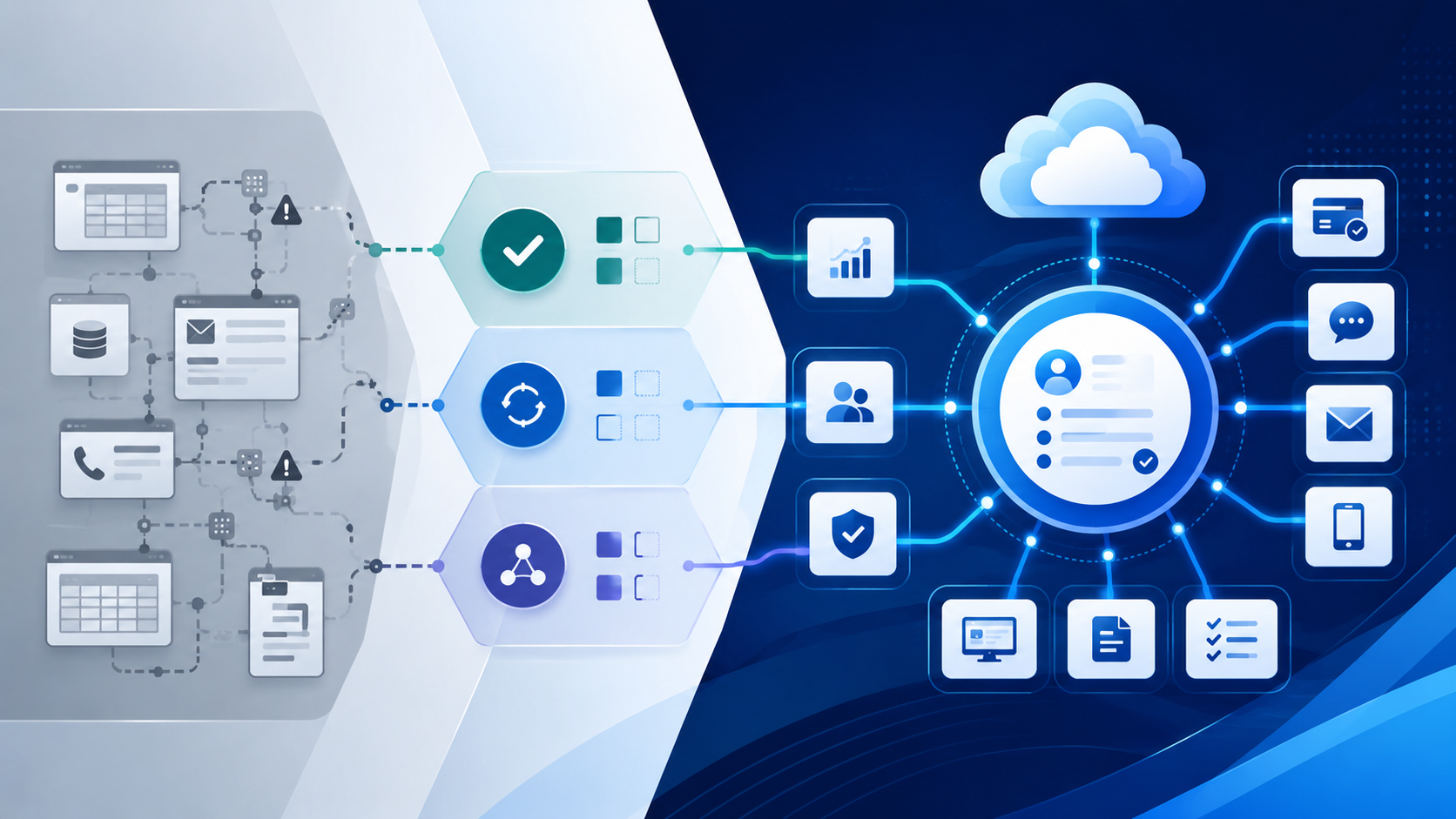
Enterprise debt collection software modernization does not have to mean ripping out every tool at once.
Most collection agencies already run on a mix of platforms, dialers, payment processors, SMS and email tools, letter vendors, credit bureau connections, reporting systems, customer portal tools, and custom workflows. Some still create value. Others only feel safe because the team knows the workaround.
The modernization question is, “What operating model do we need?” The answer should improve automation, regulatory compliance, recovery rates, client visibility, and scalability.
Start With The Operating Model
Before replacing the core, define how the agency should work after the change. Where should the source of truth live? Which workflows should become automated workflows? Which systems need real-time reporting? Where do payment plans, disputes, charge-off status, and account notes need to sync? Which integrations connect creditor systems, ERP tools, government or public sector clients, utilities, and agency operations?
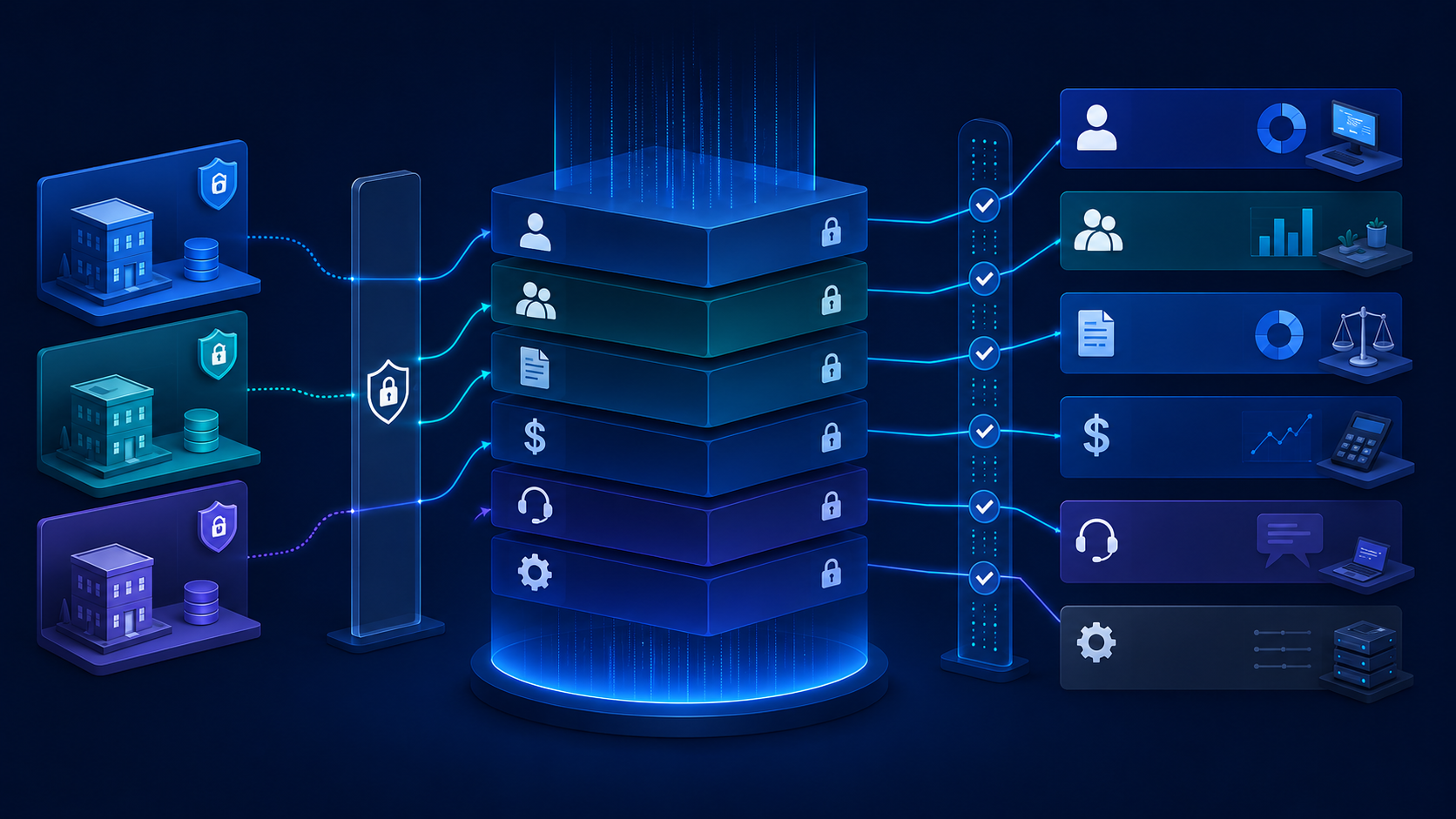
This prevents modernization from becoming a feature checklist. A modern debt manager should coordinate case management, segmentation, payment reminders, audit trails, invoicing, communications, reporting, and client commitments in one operating layer.
Replace The Core When It Is The Bottleneck
Some tools can stay. A weak core cannot.
The core platform should support account management, workflow automation, collector activity, payment status, dispute handling, role-based access, APIs, customer portal access, client reporting, and audit trails. If the core platform is slow, rigid, or disconnected, every other tool has to compensate.
Replacement signals include workflow changes that require vendor tickets, payment or dispute updates that do not sync quickly, client reporting that depends on exports, collectors using multiple screens to understand one account, compliance teams unable to prove what happened, or an on-premise system that struggles with high account volume and API traffic.
Legacy systems often show their limits gradually. They may still process accounts, but they can make it harder for the agency to move quickly, improve visibility, and adapt to new client or compliance demands. That makes modernization a business growth decision, not just a technical one.
Keep Tools That Still Create Specialized Value
Modernization does not require every vendor to disappear. A strong dialer, preferred payment processor, BI environment, credit bureau workflow, or legal tool may still be worth keeping if it integrates cleanly with the modern core.
A tool is worth keeping when it performs a specialized job well, supports client commitments, and exchanges data through APIs or reliable event flows. It should not require duplicate entry, weaken audit trails, slow recovery operations, or make regulatory compliance harder to enforce. If a “kept” system delays settlement updates or prevents accurate cash flow visibility, it may be creating more risk than value.
Integrate Around A Single Source Of Truth
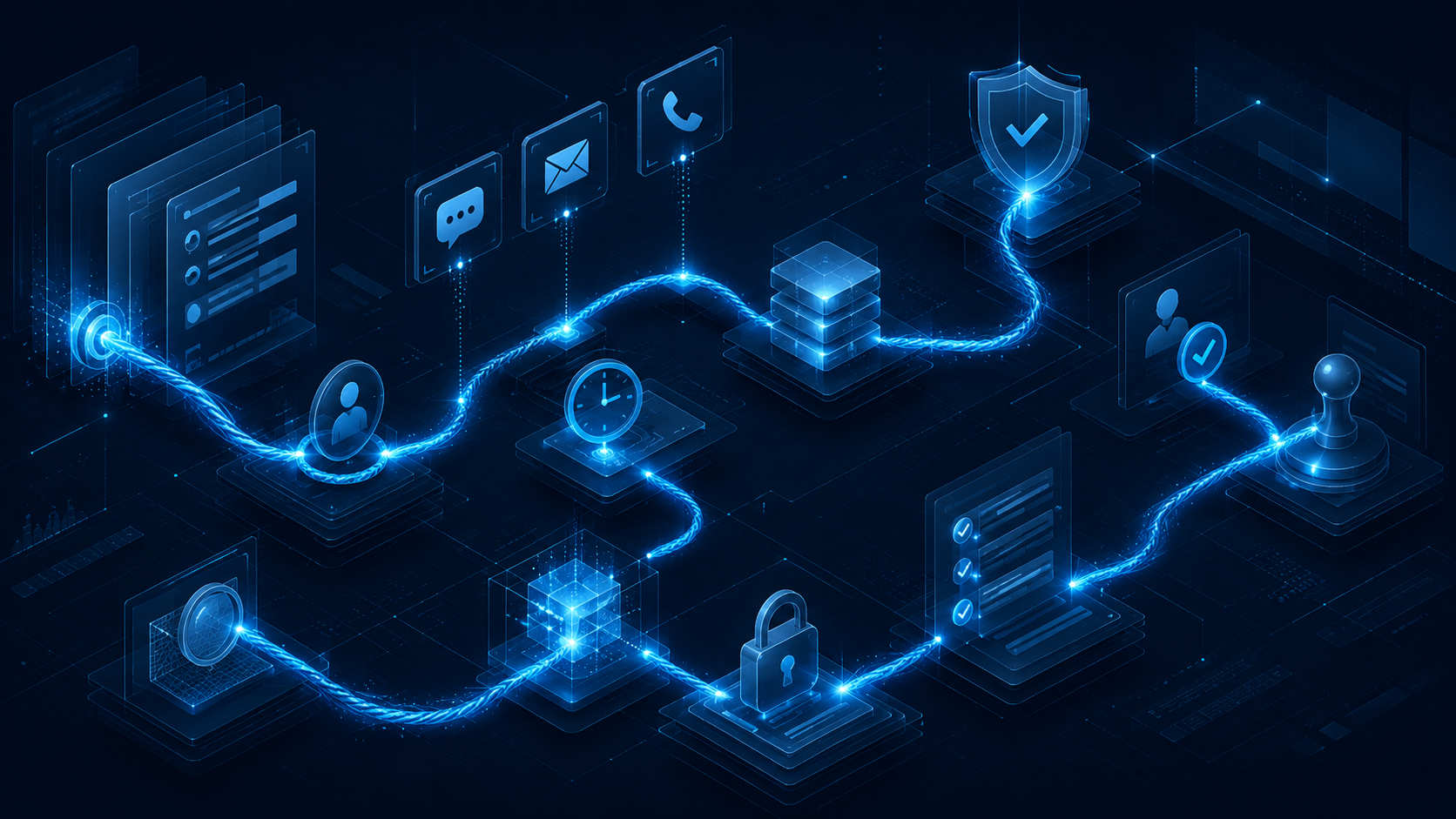
Enterprise agencies need one reliable account record. The payment processor knows whether money moved. The dialer knows whether a call happened. SMS and email tools know whether messages were delivered. The client system knows placement rules. The agency platform should bring those events back into the debt manager so teams are not guessing.
Modern integrations should support placements, balance updates, payment plans, disputes, opt-outs, credit reporting, invoicing, remittance, and client reporting. File-based imports may still have a role, but enterprise agencies increasingly need APIs that move data faster.
This matters when creditor systems include ERP platforms or industry-specific tools. A fintech client may care about charge-off status and risk scoring, while utilities and public sector clients may have different documentation expectations. Integration strategy should reflect those realities.
Modernize Payments, Portals, And Consumer Experience
Payments are often where modernization becomes visible first. Consumers expect flexible ways to resolve accounts, and agencies need payment data to update workflows immediately.
Modern platforms should support one-time payments, recurring payment plans, settlement acceptance, failed-payment handling, text-to-pay, receipts, and self-service through a customer portal. It should also connect payment activity to reporting, collector queues, payment reminders, and client remittance.
When payment workflows sit outside the core debt manager, teams spend too much time reconciling balances, promises, fees, and settlement terms. That slows recovery operations and creates avoidable friction. A modern debt manager should make payment activity part of the account record.
Modernize Compliance Controls Across Channels
Omnichannel communication only works when it is controlled. Phone, SMS, email, voicemail, letters, portals, and AI-assisted workflows should not operate as disconnected lanes.
For U.S. debt collection agencies, the CFPB’s Regulation F and FTC’s FDCPA text are important references. Agencies using automated calls or texts should evaluate TCPA implications. Healthcare portfolios may require HIPAA-aware controls, and the HHS HIPAA Privacy Rule summary is a useful starting point. This is not legal advice.
Operationally, the system should enforce contact rules, consent status, revocations, time zones, dispute pauses, state-specific requirements, disclosures, and documentation before outreach happens. For U.S.-focused collection agencies, the priority should stay on FDCPA, Regulation F, TCPA, HIPAA where relevant, and state-level rules that affect communication, validation, payments, and reporting.
Evaluate Security, Scale, And Governance Together
A modernization roadmap should pressure-test infrastructure as much as features. Cloud-native platforms can reduce on-premise maintenance, improve scalability, and support faster updates. Buyers should still ask about SOC 2, ISO 27001 alignment, encryption, access logging, disaster recovery, data export, and vendor governance.
This is where the difference between a modern platform and a generic debt manager becomes clear. A generic debt manager may store accounts. A better debt manager acts as a decision engine that governs who can act, what they can change, which workflows apply, and how every action is documented.
Know What Not To Modernize Around
Modernization can go sideways when agencies choose tools that solve only one slice of the problem.
General credit management or accounts receivable tools may help internal finance teams, but they are not always built for third-party collection complexity. A platform that works for invoice follow-up is not necessarily equipped for agency operations, high-volume portfolios, client-specific requirements, or regulated consumer outreach.
The comparison should not stop at screens and feature claims. Ask whether the software can handle agency-specific segmentation, recovery operations, automated workflows, regulatory compliance, case management, payment workflows, audit trails, client portals, machine learning use cases, and high-volume integrations.
Build A Phased Modernization Roadmap
A practical roadmap can move through five phases:
- Stabilize the core. Decide whether the current debt collection software can support future volume, users, clients, and compliance needs.
- Map critical integrations. Prioritize systems affecting collector work, payments, disputes, reporting, and compliance evidence.
- Rebuild workflows, not just data. Redesign segmentation, payment reminders, dispute handling, settlement approvals, and risk scoring.
- Launch with governance. Define permissions, admin controls, audit trails, training, and change management.
- Optimize after go-live. Use real-time reporting to improve recovery rates, reduce DSO, and increase cash flow visibility.
Final Thoughts: Modernization Is A Control Strategy
Modernization is not about chasing the newest tool. It is about building an operating model that handles enterprise complexity without extra manual work.
Agencies should replace the core when it limits growth, keep specialized systems that still perform well, and integrate the tools that need to share data. The result should be cleaner workflows, stronger regulatory compliance, better client reporting, improved recovery operations, and faster execution.
Aktos was built for agencies that need modern, cloud-native debt collection software without legacy rigidity. With configurable workflows, open APIs, omnichannel controls, payments, portals, real-time reporting, audit trails, and AI-powered automation, Aktos helps agencies modernize in a way that supports both growth and control.
FAQs
Q: What is debt collection software modernization?
A: It is the process of replacing, integrating, or reconfiguring systems to improve workflows, reporting, payments, compliance controls, and scalability.
Q: Should agencies replace every system during modernization?
A: Not always. Replace the core when it limits growth, but keep specialized tools that integrate cleanly and do not weaken visibility or compliance.
Q: Why are APIs important for enterprise collection agencies?
A: APIs connect creditor systems, payment processors, dialers, portals, reporting tools, and compliance workflows so account data stays current.
Q: How does automation improve collection operations?
A: Automation can route accounts, trigger payment reminders, enforce steps, update statuses, support segmentation, and reduce manual follow-up.
Disclaimer: This article is for informational purposes only and does not constitute legal advice. Debt collection agencies should consult with legal counsel to ensure compliance with all applicable federal and state regulations.