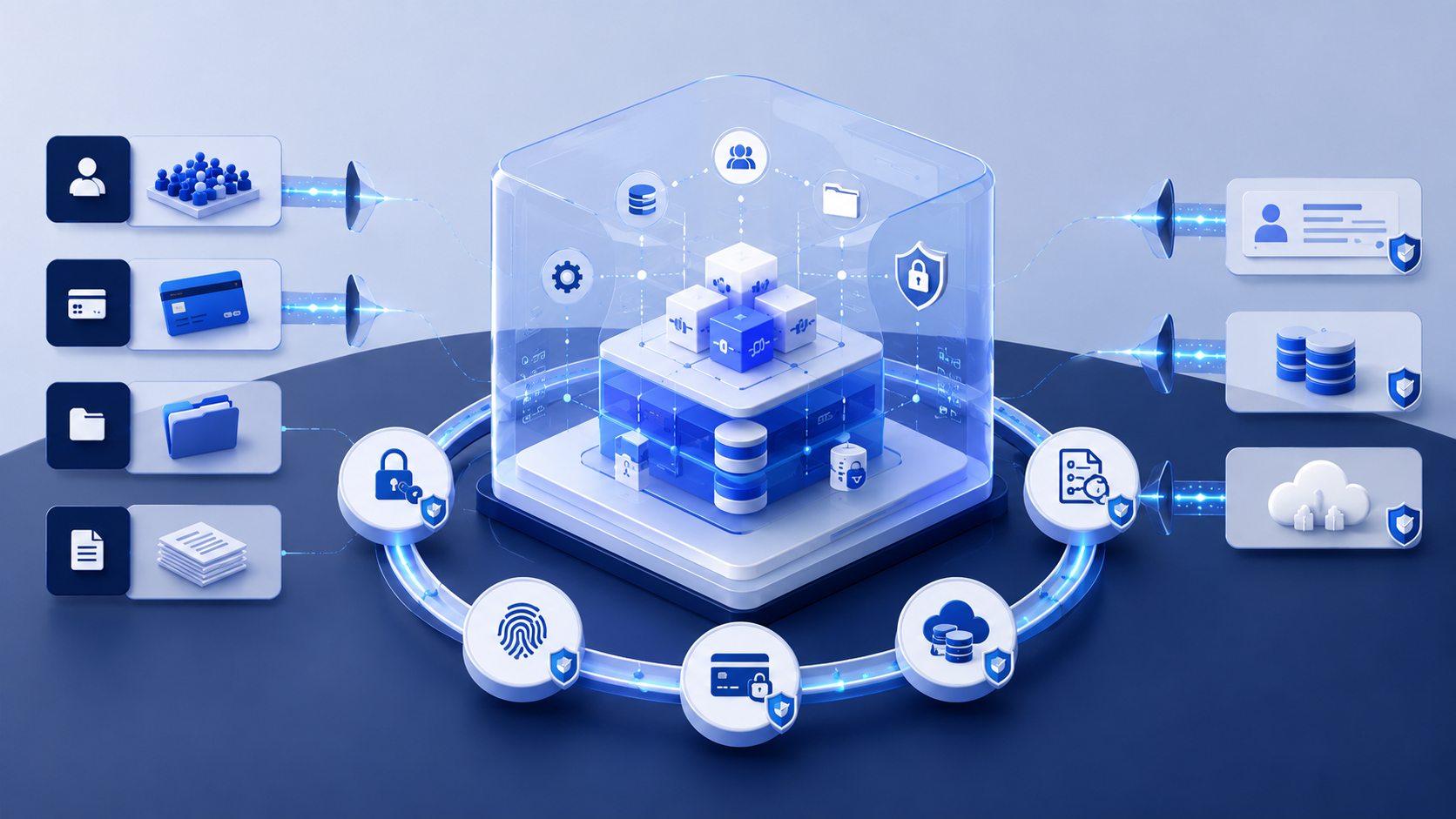
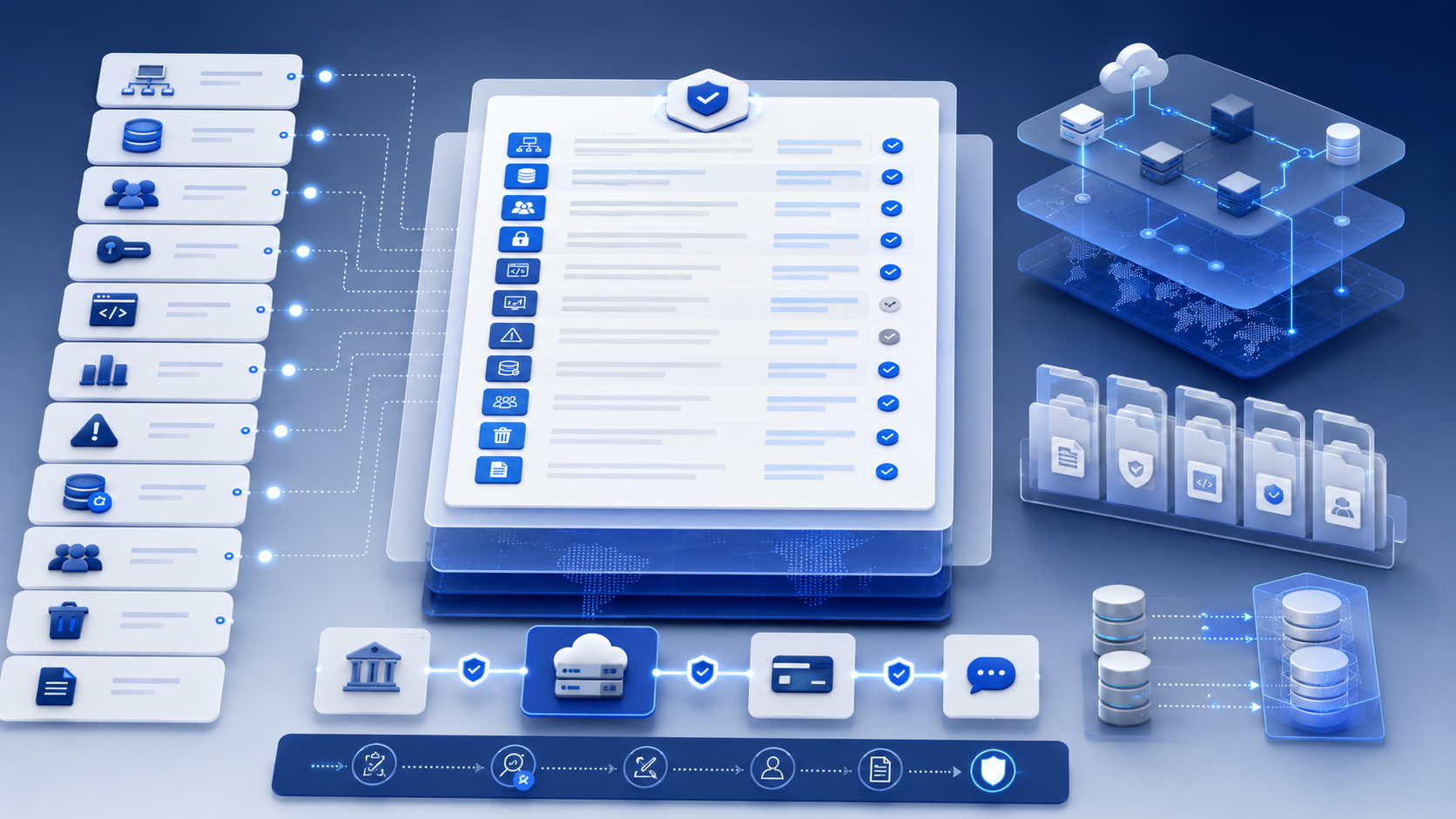
Security reviews are now part of winning enterprise clients. Banks, healthcare organizations, utilities, debt buyers, and other creditors want to know how an agency protects consumer data across its own operations and the SaaS applications supporting collection work.
A vague answer can delay an RFP even when reasonable security controls exist. A strong response turns the SaaS security questionnaire into proof of operational maturity: clear scope, clear ownership, verifiable evidence, and honest exceptions.
What Is The Purpose of a Security Questionnaire?
A security questionnaire for SaaS applications is a structured diligence document used to evaluate how a vendor and its technology providers protect systems and data. For a collection agency, the review may cover internal operations, collection software, cloud hosting, payment processing, communications providers, file transfers, APIs, and subprocessors.
The questionnaire may be custom, part of an RFP, or based on formats such as the Shared Assessments SIG or the Cloud Security Alliance CAIQ.
“Yes” and “no” are rarely enough. Reviewers need to understand scope, how the control works, who owns it, and what evidence supports the answer.
Define Scope Before Answering
Start by identifying the service and client relationship under review. Document the consumer and client data involved, where it enters, where it moves, where it is stored, and which legal entity is responsible for each control.
Your scope should identify:
- Collection software and connected SaaS applications
- Placement files, APIs, SFTP paths, reports, and exports
- Payment processors, dialers, SMS, email, and letter vendors
- Employees, administrators, client users, and vendor personnel with access
- Healthcare, payment, or other sensitive information in the environment
This is also the foundation of a useful risk assessment. A generic SaaS security assessment cannot be accurate when the agency has not mapped its data, vendors, and shared responsibilities.
Assign one response owner to reconcile input from leadership, IT, compliance, operations, legal counsel, and critical providers. That person should prevent contradictory answers and distinguish agency controls from controls owned by a software-as-a-service provider.
Answer the Major Security Sections With Evidence
Architecture, Data Flow, and Hosting
Describe whether systems are cloud, hosted, or on-premise. Separate production and non-production environments, identify data boundaries, and explain redundancy and availability.
A simple architecture diagram should show the agency, its core platform, external vendors, and client connections.
A data-flow diagram should trace:
- Placement intake
- Account updates
- Payment activity
- Documents and recordings
- Disputes
- Client portal access
- Reports and downstream exports
- Handoffs between SaaS applications
For a deeper vendor-side review, use Aktos’s Data Security Checklist for Collection Software Vendors.
Identity, Access, and Encryption
Explain access control by role, client, portfolio, and function.
Cover:
- Least-privilege access
- Segregation of duties
- Privileged administration
- User provisioning and deprovisioning
- Periodic access reviews
- Password and session rules
- Single sign-on
- Multi-factor authentication
When the form asks about multi-factor authentication, state where it is enforced and whether the agency or platform configures it.
Describe data encryption in transit and at rest, secure file transfer, certificate management, key rotation, and protection for backups and exported files.
Avoid phrases such as “industry-standard security” unless you can name and verify the specific control.
Application, API, and Network Security
Application security answers should cover:
- Secure configuration
- Release testing
- Patch management
- API authentication and authorization
- Activity logging
- Consumer and client portal protection
- Firewall rules or other access restrictions
Include vulnerability management, the frequency and scope of each vulnerability assessment, and how findings are prioritized and remediated.
If penetration tests are performed, state:
- The tested entity
- The tested environment
- The test date
- Whether an executive summary is available
Some questionnaires ask about zero trust. Do not claim to have a complete zero-trust architecture simply because one tool requires MFA.
Explain the specific identity, device, network, and least-privilege practices that are actually in place.
Logging, Incidents, and Recovery
Distinguish operational account histories from security-monitoring logs.
Describe visibility into:
- User logins
- Permission changes
- Data exports
- Payment actions
- Consumer communications
- Administrative activity
- Integration activity
- Security alerts
Explain any continuous monitoring used to identify suspicious behavior.
Your incident response plan should identify:
- Who leads the response
- How incidents are escalated
- How the team contains and investigates incidents
- How evidence is preserved
- How clients are notified
- How post-incident reviews are conducted
Do not promise a notification deadline that conflicts with contracts, applicable law, or your documented response plan.
For business continuity, provide information about:
- Backup frequency
- Backup retention and protection
- Restoration testing
- Formally approved recovery objectives
- Alternate operating procedures
- Critical vendor dependencies
A disaster recovery plan should address the full operating environment, not only database backups.
Aktos’s guide to Secure Cloud Disaster Recovery for Collection Agencies provides collection-specific questions for recovery planning.
Vendors, Retention, Training, and Assurance
Maintain a current subprocessor inventory covering:
- Cloud providers
- Payment processors
- Phone and dialer providers
- SMS and email vendors
- Letter vendors
- Credit bureaus
- File-transfer services
- Analytics and support providers
Explain how vendors are approved, reviewed periodically, offboarded, and communicated to clients when changes occur.
Document:
- Retention periods by data category
- Client-specific retention requirements
- Legal holds
- Backup expiration
- Secure deletion
- Contract-termination exports
- Data portability
Include workforce controls such as:
- Security-awareness training
- Confidentiality commitments
- Policy acknowledgments
- Background screening, where applicable
- Offboarding procedures
- Phishing exercises
- Physical security controls
List only certifications and assessments that the agency or provider actually holds.
For healthcare collections, describe HIPAA responsibilities only where applicable and identify the systems handling HIPAA-regulated data.
Use a Repeatable Answer Format
Strong questionnaire answers follow six elements:
- Direct answer: Respond to the question immediately.
- Scope: Name the systems, teams, and data covered.
- Control description: Explain how the control operates.
- Ownership: Identify whether the agency, platform, or provider is responsible.
- Evidence: Name the policy, report, screenshot, diagram, or test available.
- Exception: Disclose limitations, compensating controls, and remediation plans.
This structure makes evidence collection faster and keeps answers credible.
It also prevents common mistakes such as:
- Making unsupported claims
- Submitting outdated policies
- Confusing a cloud provider’s controls with the agency’s controls
- Treating every question as applicable
- Hiding known gaps
- Providing answers that contradict previous RFP responses
Build a Reusable Security Evidence Package
Prepare a controlled evidence package containing:
- Architecture diagram
- Data-flow diagram
- Access-control policy
- Risk assessment
- Incident response plan
- Business continuity plan
- Disaster recovery test summary
- Subprocessor list
- Security-training records
- Penetration test or vulnerability assessment summary
- Access-review evidence
- Cyber-insurance certificate
- Data-retention schedule
- Relevant assurance reports
Do not attach sensitive evidence to an unsecured email thread. Use approved document-sharing controls, expiration settings, access restrictions, and confidentiality protections.
Your collection platform directly affects the quality of your answers.
Enterprise agencies need software that supports:
- Role-based permissions
- Multi-factor authentication
- Detailed audit trails
- Secure APIs
- Data export controls
- Incident investigations
- Recovery documentation
- Transparent subprocessor information
Aktos’s Debt Collection Software RFP: 25 Technical Questions helps teams pressure-test these capabilities before procurement.
Create a Security Response Library
Store approved answers by questionnaire category.
For each answer, record:
- The answer owner
- The latest review date
- The supporting evidence link
- The applicable service or environment
- Any client-specific deviations
Update the library after changes to policies, vendors, architecture, services, or security controls.
Final Thoughts: Credible Answers Beat Perfect-Sounding Answers
Enterprise buyers do not expect every agency to own every security control.
They expect clear responsibility, documented practices, and honest scope.
Prepare before the next questionnaire arrives. Confirm that your collection software providers can support the architecture documentation, auditability, cloud security, application security, and operational evidence your agency needs.
FAQs
Q: Who should complete a SaaS security questionnaire?
A: One accountable owner should coordinate input from operations, IT, compliance, legal counsel, leadership, and relevant technology providers.
Q: Can an agency rely on its software provider’s answers?
A: Provider evidence can support the response, but the agency must still describe its own users, policies, configurations, vendors, and shared responsibilities.
Q: What should an agency write when a control is missing?
A: State the current condition, affected scope, compensating controls, accountable owner, and realistic remediation plan. Do not invent a capability to make the answer sound complete.
Q: What evidence do enterprise creditors commonly request?
A: Requests may include policies, diagrams, SOC 2 materials, test summaries, access reviews, training records, insurance, incident documentation, and recovery evidence. Requirements vary by creditor and service.