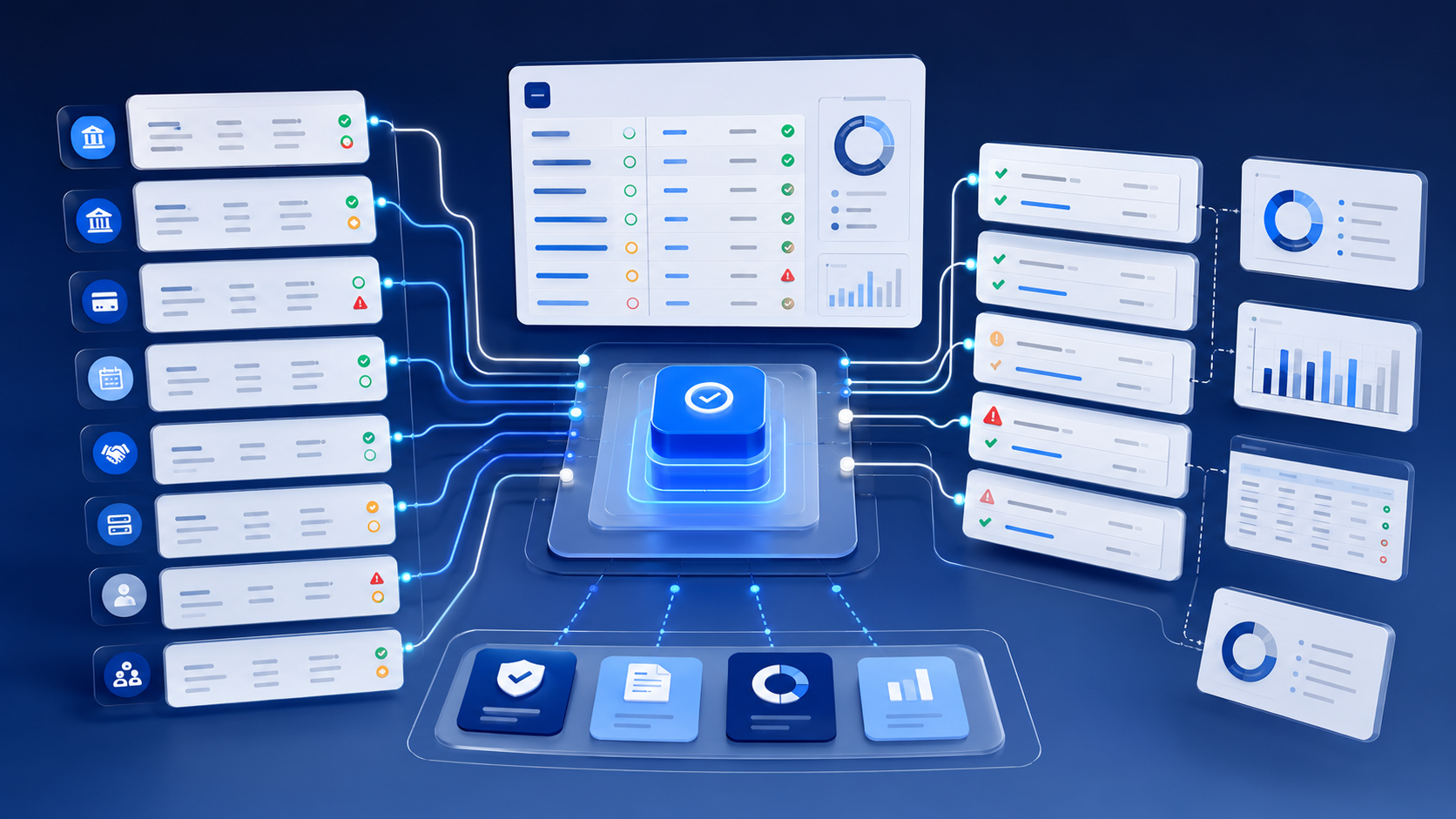

A consumer makes a payment. The processor approves it. That should be the beginning of the update, not the end.
In a collection agency, payment posting is the process of recording a transaction against the correct account and carrying that new status into every system that depends on it. The balance changes, but so can payment plans, queues, SMS, client reporting, remittance, portals, and reconciliation. If one system stays stale, the agency can create conflicting records or continue outreach after payment. At scale, treat the payment event as authoritative operational data.
Payment Posting Is More Than Updating a Balance
The simplest payment posting process is “transaction received, balance reduced.” Real operations are more connected. That payment posting process also affects accounts receivable records, making the payment posting process part of the agency’s broader financial data flow.
A posted payment may reduce principal, satisfy a settlement, advance a payment arrangement, change a collector's next action, update client reporting, and enter the agency's cash application process. A reversal may need to unwind those actions without erasing history.
This is also why payment reconciliation should be designed alongside payment posting rather than treated as a month-end cleanup exercise. Posting establishes what the collection platform believes happened; reconciliation confirms that the platform, processor, bank activity, and downstream records agree.
Map the Payment Posting Data Flow
Start by documenting every place a payment can originate. That may include a consumer portal, collector-assisted card or ACH transaction, text-to-pay link, recurring arrangement, inbound AI interaction, or imported processor file.
Each transaction should create a durable record with an account identifier, amount, method, status, timestamp, and unique transaction ID. Electronic payment posting can then update the ledger and workflows, while auto posting handles matched transactions and routes exceptions to review. That makes electronic payment posting the operational bridge between transaction approval and the systems that depend on the result.
The target flow is payment source to processor, transaction record, ledger, workflows, reporting, remittance, and reconciliation. Agencies using a nightly manual posting step should know what stays stale until the batch runs.
Modern collection software integrations are valuable here because payment events can move through APIs or event-driven workflows rather than requiring staff to re-key information across disconnected tools.
Every System That Needs the Payment Update
After a successful payment, which systems can keep behaving as if the old balance were still true? Usually, none. The account balance, portal, collector queue, automated outreach, payment-plan logic, client reporting, remittance, and audit trail should all reflect the same transaction state.
For enterprise agencies, this also includes external systems: accounting software, a client billing system, data warehouse, or creditor-facing reporting feed. Collection reporting software is only as trustworthy as the transaction data underneath it.
Prevent Collection Activity After Payment
Timing is where architecture becomes consumer experience.
If a payment posts at 10:02 a.m. but the queue refreshes overnight, outreach may continue for hours. A reminder might still be sent or a collector might quote an outdated amount.
The workflow should therefore evaluate payment status before any next action. Depending on agency policy and account state, a successful payment might suppress a call, cancel an SMS, pause a letter, remove an account from a queue, or simply reprioritize it.
This supports more accurate communication under the Fair Debt Collection Practices Act and Regulation F. It is not a substitute for counsel-approved compliance policy, but accurate, current account data gives those policies a better foundation.
Handle Payment Exceptions Correctly
Clean payments are the easy path. The architecture is tested by exceptions.
A failed payment should preserve the failed transaction without reducing the balance and should trigger the correct follow-up. A partial payment may reduce the balance while leaving the account or arrangement active. Refunds should reference the original transaction. Chargebacks and ACH reversals should create linked adjustments rather than deleting history. Duplicate transactions should be identified before the same amount is applied twice.
For ACH, agencies should align processor behavior with the applicable Nacha rules for reversals and returns. For card activity, payment architecture should also minimize unnecessary exposure to cardholder data and follow applicable PCI Security Standards Council requirements.
The important design principle is reversibility with traceability: the current balance can change, but the agency should still be able to reconstruct the complete sequence of the original payment and later adjustments.
Real-Time Posting vs. Batch Processing
Batch processing can still fit imports, remittance, or low-urgency accounting. The problem is using batch timing where the business needs immediate operational truth.
Real-time payment posting is most valuable when a payment should instantly affect outreach, account status, portal balances, collector work, or payment plans. At high volume, event-driven updates also reduce the number of manual handoffs that can create discrepancies.
Systems need not update in the same millisecond, but the agency should define the authoritative record, sequence, and failure handling.
A Note on Payment Posting in Medical Billing
In medical billing and revenue cycle management (RCM), payment posting typically involves more than recording a single payment. Healthcare providers may post insurance payments and patient payments using an explanation of benefits (EOB) or electronic remittance advice (ERA), while also accounting for co-payments, deductibles, contractual adjustments, write-offs, underpayments, Medicare requirements, and claim denials across the broader healthcare revenue cycle.
In medical billing, the payment posting process may also connect billing software and practice management systems with an electronic health record (EHR), while EOBs and ERA data help teams determine patient responsibility, coinsurance, fee schedules, and denial management under CMS requirements. Medical billing teams may review EOBs against fee schedules, then update the EHR as part of RCM workflows that support accurate medical billing records and overall financial health. Because this medical billing workflow sits inside the broader revenue cycle, its terminology and downstream priorities differ from collection-agency payment posting.
At Aktos, we approach payment posting from the collection-agency side. Payment activity needs to stay connected to the collection account, consumer balance, collector workflows, client reporting, and other downstream processes. Our platform is designed to bring payments, account data, workflows, reporting, and consumer interactions into the same collection environment rather than treating payment posting as an isolated back-office task.
Build an Auditable Payment Architecture
Every payment record should be explainable later. Keep the processor transaction ID, internal transaction ID, timestamps, source channel, user or system attribution, original amount, status changes, and any linked adjustments.
Role-based permissions should control who can create, refund, or reverse transactions. Sensitive payment information should stay out of notes and unnecessary exports. Manual payment posting should be an exception path, not the default.
For agencies serving multiple creditors, auditability also helps answer client questions quickly: when was the payment received, when was it posted, what changed afterward, and when did it appear in reporting?
Payment Posting Architecture Checklist
Before scaling, confirm that the processor creates a unique transaction record; the ledger updates the right account; auto-posting and exceptions are defined; payment plans recalculate; outreach and queues reevaluate; reporting and remittance update; reconciliation can match the transaction; and refunds, reversals, duplicates, and adjustments stay auditable.
The goal is not merely faster payment posting. It is consistent financial truth across the operation, which improves accounts receivable visibility and protects cash flow from avoidable posting errors.
Final Thoughts: Make the Payment Event Operational
Payment posting works best when it is part of the collection architecture, not a back-office afterthought. The moment a payment succeeds, the account, workflow, consumer experience, client view, and financial records should begin moving toward the same state.
Aktos connects payment activity with account records, workflow automation, reporting, consumer communications, and reconciliation so agencies can reduce disconnected handoffs as volume grows. If your team is evaluating a modern platform, ask vendors to demonstrate the full lifecycle of a payment, including the exception paths, not just the checkout screen.
FAQs
Q: What is payment posting in debt collection?
A: Payment posting is the process of recording a consumer payment against the correct collection account and updating the related balance, payment plan, workflows, reporting, remittance, reconciliation, and audit history.
Q: Should collection payments post in real time?
A: Real-time posting is especially useful when a payment should immediately change outreach eligibility, collector queues, portal balances, or arrangement status. Some downstream finance processes may still run in batches, but the agency should define the authoritative transaction state clearly.
Q: What happens when a payment is reversed?
A: The system should preserve the original transaction, create a linked reversal or adjustment, restore the appropriate balance or arrangement state, and trigger any approved workflow changes. The original record should not simply disappear.
Q: How do agencies prevent duplicate payment activity?
A: Use unique transaction identifiers, idempotent integrations, duplicate checks, processor-status validation, and reconciliation controls so the same transaction cannot be posted more than once.