

Enterprise collection agencies need greater efficiency, but uncontrolled automation can create compliance, operational, and client-service risk just as quickly as it removes manual work. A workflow that sends the wrong SMS, follows up after a payment, or applies one creditor’s rules to another portfolio can turn speed into exposure.
Effective automated debt collection software does not remove people from every process. It creates a controlled operating layer that routes work, applies approved rules, records actions, and escalates exceptions. The goal is to automate repeatable work while preserving human judgment for disputes, settlements, sensitive communications, and unusual account conditions.
What Is Automated Debt Collection Software?
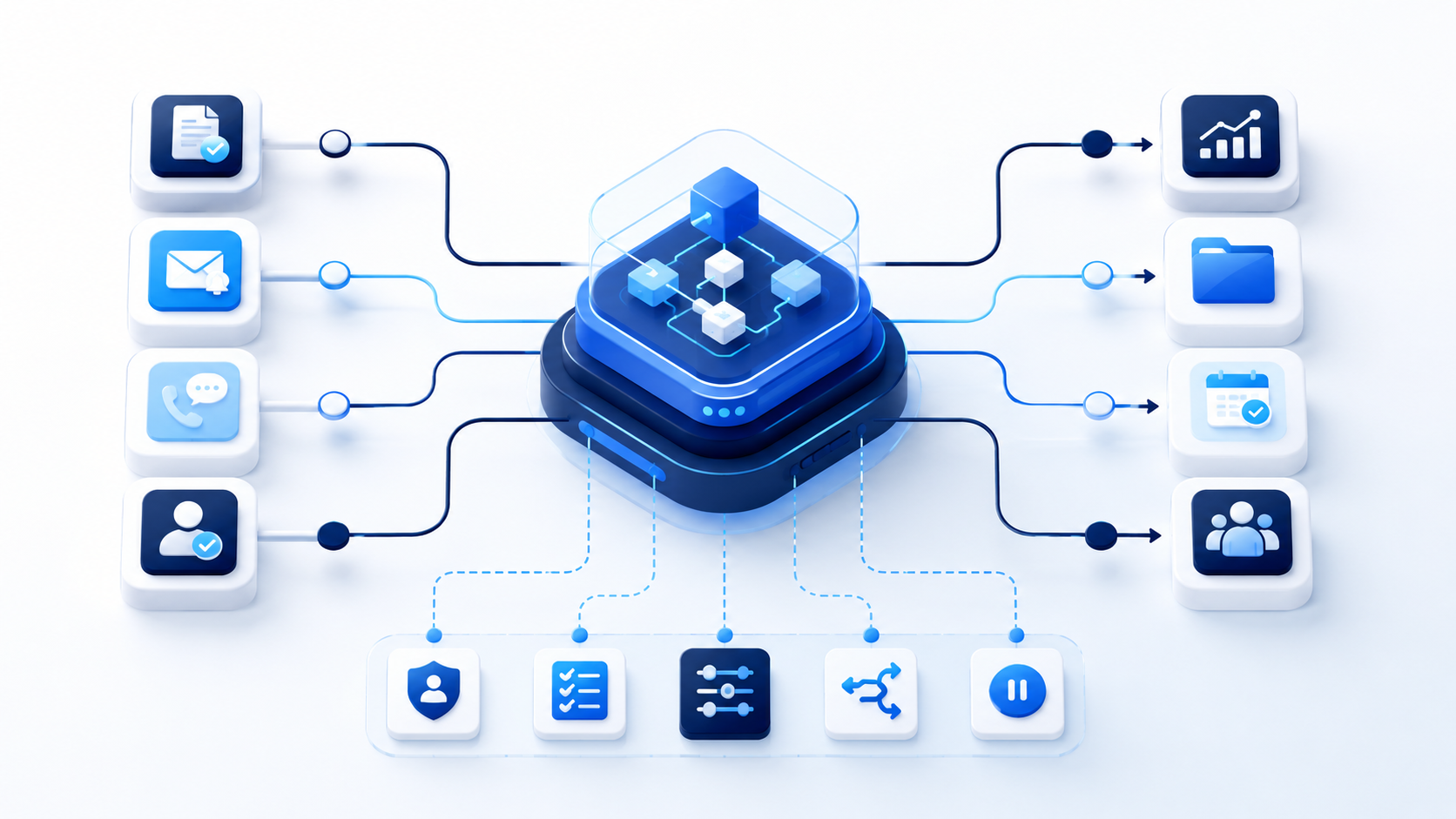
Automated debt collection software is a modern collection platform that connects account data, collector queues, communications, payment processing, dispute management, client reporting, and audit trails. Unlike an isolated dialer, script, or point solution, platform-level workflow automation can respond to a change in account status and coordinate the next action across the agency CRM.
For example, a promise-to-pay can trigger a reminder, pause conflicting outreach, create a collector task if the payment fails, update reporting, and route the account for review. That is different from automating one email while the rest of the debt recovery process remains disconnected.
Common Processes Agencies Can Automate
Modern debt collection software can support automation across:
- Account placement intake, validation, and queue assignment
- Payment reminders, overdue payments, and missed-payment follow-up
- Communication sequencing across phone, email, letters, and SMS
- Collector task creation, reassignment, and workflow management
- Dispute and verification workflows
- Account status updates and cash application
- Client reports, KPIs, and escalation to supervisors, legal, or compliance teams
These capabilities reduce repetitive debt management work across overdue accounts and delinquent accounts while keeping accounts receivable management, payment, communication, and reporting aligned.
Why Enterprise Agencies Need Guardrails
Large agencies operate across more clients, portfolios, jurisdictions, users, and channels. A single decision engine cannot safely apply one rule everywhere. Each client may have different service levels, settlement authority, communication preferences, credit management requirements, or credit bureau reporting policies.
The CFPB’s Regulation F resources address communications, disputes, validation information, and record retention, while the FTC’s FDCPA text prohibits deceptive, unfair, and abusive practices. Agencies should work with qualified counsel to translate applicable requirements into approved system rules.
Seven Guardrails Automated Collection Software Should Include
1. Role-Based Permissions
Limit who can create, edit, approve, activate, or pause automation. Administrators, collectors, supervisors, compliance, finance, and client-service teams should have distinct permissions. Strong data security starts by preventing unauthorized users from changing high-impact workflows.
2. Client- and Portfolio-Specific Rules
Rules should vary by client, portfolio, state, account type, balance, and service level. Reusable templates can accelerate setup, but the system must prevent one client’s workflow from being applied across the agency. This is essential for multi-client compliance management.
3. Compliance-Aware Communication Controls
Configure timing, frequency, consent, channel, and jurisdictional controls before communications are released. For AI voice workflows, the FCC’s 2024 TCPA declaratory ruling states that AI-generated human voices fall within restrictions for artificial or prerecorded voice calls. Agencies should confirm consent and other requirements with counsel.
4. Human Approval Steps
Sensitive actions should not run on autopilot. Require approval for settlements outside standard authority, legal escalation, account closure, high-risk messages, or unusual payment arrangements. The agency should decide where artificial intelligence assists and where a human makes the final call.
5. Exception Handling and Escalation
Automation should identify failed payments, missing documentation, conflicting balances, disputes, and unusual account activity. It should redirect the process instead of trapping an account in a sequence. Risk scoring, predictive analytics, and machine learning may help prioritize exceptions, but employees still need clear ownership and context.
6. Complete Audit Trails
Record what happened, when it happened, which rule triggered the action, which data was used, and who approved a change. Searchable records support client questions, internal reviews, and audits. Aktos explains this evidence layer in its guide to proven audit trails for debt collection compliance.
7. Emergency Controls
Authorized users should be able to pause a workflow, communication channel, client portfolio, or automation rule immediately. The platform should preserve what was stopped, when, by whom, and why. Emergency controls turn operational response into a documented process rather than an improvised workaround.
How Automation Improves Collector Productivity
Good automation removes repetitive account review, queue management, and routine follow-up. It can surface the next appropriate action and give collectors current account context before conversations. That keeps people focused on negotiation, sensitive disputes, and higher-value interactions rather than administrative clicks.
This is also why self-service portals matter. Consumers can review balances, make payments, or complete approved actions while the platform keeps the account and workflow current. For payment-specific examples, see Aktos’s guide to debt collection payment automation.
The Data Foundation Behind Reliable Automation
Automation depends on accurate, synchronized data: payment status, dispute status, consent records, account ownership, communication history, and consumer preferences. Stale data can trigger incorrect outreach, duplicate tasks, or a reminder after a consumer has paid.
Real-time integrations help a collection platform stay synchronized with finance and credit-data systems, ensuring workflows act on current, governed information. Aktos explores why this matters in How Clean Data Improves Debt Collection AI.
Managing Automation Across Multiple Clients
Use reusable workflow templates without forcing every client into the same process. Each portfolio retains distinct rules, permissions, service levels, reports, and workflow versions. Test and approve changes before deployment, while client users receive defensible records without unrelated data access.
Enterprise environments may connect automated debt collection software with finance, credit-data, and customer relationship management systems through ERP integration. These connections can support AR automation, dunning emails, days sales outstanding (DSO) tracking, cash application, and credit bureau reporting. However, a general credit management tool is not a substitute for an agency CRM built around debt recovery, FDCPA and TCPA considerations, dispute workflows, bad debt portfolios, auditability, and human escalation. While broader financial tools may help optimize DSO, a modern collection platform must govern the complete account lifecycle.
Questions to Ask Software Vendors
Ask vendors:
- Can rules differ by client, portfolio, state, and account type?
- Which actions can require human approval?
- How are exceptions identified and routed?
- Can administrators pause automation immediately?
- Does the system record every automated action and workflow change?
- How are rules tested before deployment?
- Can compliance teams review logic without developer support?
- Does automation use real-time account and payment data?
- How does agentic AI stay within approved permissions and policies?
Final Thoughts: Automate the Work, Govern the Risk
Enterprise automation should increase efficiency and operational control at the same time. The right debt collection software automates routine work, preserves human judgment, and gives agencies defensible records across clients and portfolios.
Aktos combines configurable workflows, integrated data, role-based permissions, and auditability so agencies can scale debt recovery without turning every decision over to software. The objective is not automation everywhere. It is controlled automation where it creates value.
Evaluate how Aktos helps agencies automate routine workflows while maintaining client-specific rules, human oversight, and complete operational records.
FAQs
Q: Does automated debt collection software replace collectors?
A: No. It should reduce repetitive work and help collectors focus on conversations, disputes, negotiations, and decisions requiring human judgment.
Q: Can automation follow different rules for different clients?
A: Modern platforms should support client, portfolio, account, and jurisdiction-specific configurations without exposing unrelated client data.
Q: How should agencies test automated workflows?
A: Test with controlled data, defined scenarios, expected outcomes, approval checkpoints, and exception cases before broad deployment.
Q: What happens when an automated process encounters an exception?
A: The software should stop or redirect the process, preserve the context, and assign the account to the appropriate human team.