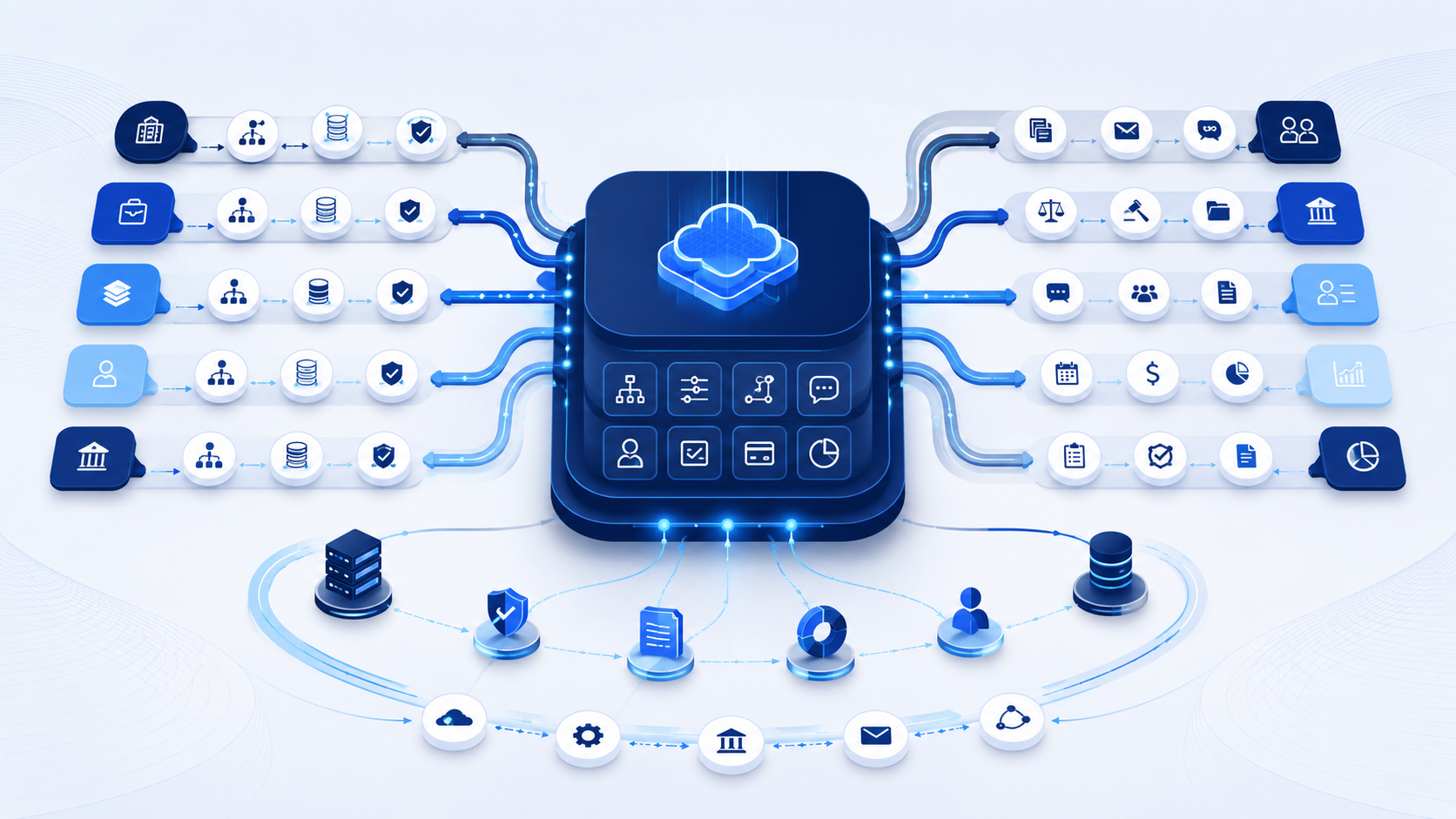

Queue Management Software for Complex Collection Portfolios
In a collection agency, a queue is not just a list of accounts. It is a decision engine. It determines which accounts are eligible to be worked, which collector should receive them, what should happen next, and which exceptions need immediate attention.
That makes queue management software critical to enterprise operations. A weak queue management system can leave accounts untouched, overload specialists, or keep restricted accounts in the wrong workflow. A strong system turns portfolio rules into a repeatable model that adapts as clients, volume, and staffing change.
The goal is not to make collectors hunt through a larger list faster. It is to make the right work appear at the right time.
A Note on Queue Management Search Terminology
In other industries, queue management software often refers to tools that manage customer lines, appointments, and waiting rooms. These systems may include virtual queues, self-service check-ins, kiosks, SMS notifications, digital signage, and wait-time estimates. In debt collection, however, queue management serves a very different purpose: organizing and prioritizing accounts so collectors know what to work and when.
Those tools can improve the waiting experience, customer check-in, digital check-in, service times, and lobby congestion in healthcare, education, retail, or government settings. They may track patient flow, no-show rates, throughput, customer satisfaction, and customer experience, while a visitor website or kiosk helps manage customer flow before service.
Collection agencies need a different type of queue management system. Here, “queue” means account routing and work prioritization inside the collection operation, not people waiting in a lobby. The most relevant capabilities are eligibility logic, account priority, collector skills, exception handling, scalability, real-time monitoring, and data-driven decisions.
Define Account Eligibility First
Before software decides which account should be worked next, it must decide whether the account should be worked at all.
Eligibility can depend on account status, client rules, disputes, communication restrictions, legal status, payment arrangements, recalls, bankruptcy indicators, or other operational holds. If these conditions live only in collector knowledge, the agency increases inconsistency as volume grows.
For third-party collection agencies, federal requirements such as the Fair Debt Collection Practices Act and the CFPB’s current Regulation F are part of the compliance framework. Agencies should also apply state law, client requirements, and qualified counsel’s guidance when configuring eligibility rules.
The system should evaluate those conditions before an account enters an active queue, not after a collector has already taken an action.
Build Priority Rules Around Operational Value
Once eligibility is established, queue priority determines what gets attention first. Useful inputs can include balance, account age, placement date, promise-to-pay status, recent consumer activity, client priority, and operational urgency.
One score should not govern every portfolio. An enterprise agency may use different strategies for healthcare placements, financial-services accounts, legal collections, or clients with strict service levels. Priority logic should be configurable by client, portfolio, or segment.
In our guide to debt collection management software for complex portfolios, we explain why growing portfolio complexity calls for more than a single static worklist.
Use Skill-Based Routing
Collectors shouldn’t necessarily work every type of account. Skill-based routing can assign accounts based on factors like language, client specialization, legal-account experience, negotiation complexity, or industry expertise.
That matters when a general queue mixes straightforward follow-ups with sensitive disputes or specialized accounts. Routing should reduce unnecessary transfers and keep experienced collectors focused on work that benefits from their judgment.
For operations leaders, the question is simple: what should determine who owns the next action? The queue management system should make that logic explicit and auditable.
Balance Work Across Collectors
Priority without workload balancing can create a new bottleneck. One collector may receive hundreds of high-priority accounts while another has available capacity.
Queue logic should consider queue volume, collector availability, current workload, and account complexity. Real-time analytics can show whether work is accumulating unevenly and whether routing improves staff productivity. Managers can compare assigned work, completion rates, outcomes, and age in queue, making operational efficiency measurable.
Create Exception Queues
Some accounts should exit the standard collector workflow entirely. Common exception queues include disputes, failed payments, missing data, supervisor review, client questions, and compliance review.
A dispute, for example, may need a controlled path for documentation and verification instead of remaining in a normal outreach sequence. Clear status and routing controls help agencies manage disputed accounts in line with Regulation F dispute requirements.
Exception queues should define ownership, required information, next action, escalation rules, and resolution status. That gives teams a consistent process without forcing every collector to invent one.
Prevent Accounts From Becoming Stranded
A queue can look healthy while old accounts quietly sit untouched. Aging timers, no-activity thresholds, SLA alerts, and automatic escalation help expose stranded work before it becomes a client issue.
For example, an account can automatically move to supervisor review when it has received no eligible action within a defined period. A failed payment can escalate when the exception remains unresolved. A client question can move to a higher priority as its response deadline approaches.
This is the collection equivalent of monitoring throughput: not just how much work enters the system, but whether it continues moving.
Give Supervisors Controlled Override Capability
Automation should not remove human judgment. Supervisors need the ability to reassign an account, change priority, apply a temporary hold, or move work between queues when circumstances require it.
The important control is reason tracking. Overrides should record who changed the queue decision, what changed, when it happened, and why. That keeps flexibility from becoming invisible manual work.
When agencies manage multiple creditor clients, workflows need enough flexibility to account for different requirements without creating operational chaos. Our multi-client workflow management approach is built around configurable rules and controlled exceptions that keep those differences manageable.
Measure Queue Health
A useful real-time dashboard should show more than the number of accounts waiting. Managers should be able to review age in queue, completion rate, reassignment rate, SLA misses, exception volume, and outcomes by queue.
Real-time monitoring can also reveal whether one rule is creating congestion or whether a specialized team needs additional capacity. Over time, those metrics support data-driven decisions about staffing, routing, segmentation, and client commitments.
Unlike physical customer flow software, the agency is not optimizing a customer experience around a lobby line. It is optimizing account movement across a regulated operational process. The principle is similar, reducing unnecessary waiting, but the object being routed is work.
What to Look for in Queue Management Software
Collection agencies should prioritize dynamic segmentation, automated routing, no-code configuration, permissions, reporting, audit trails, and integration with communications and payments. An API also matters because account status can change outside the core platform through payment processors, dialers, client systems, or other vendors.
The strongest systems connect queue changes to those events in near real time. A payment should update eligibility. A dispute should change the account path. A client recall should remove the account from active work. A collector should not have to discover stale status after opening the record.
That is the difference between a static worklist and true workflow orchestration. Our guide to debt collection automation that scales explores how connected automation can coordinate these decisions across the agency.
Final Thoughts: The Queue Is the Operating Logic
For complex collection portfolios, queue management software should make operational rules visible, configurable, and measurable. It should determine eligibility first, prioritize intelligently, route by skill, isolate exceptions, balance capacity, and escalate aging work before accounts become stranded.
Aktos supports configurable workflows and automation that can help operations teams adapt routing without waiting through long development cycles. The value is not a prettier list. It is a queue management system that reflects how the agency actually wants work to move.
FAQs
Q: What is queue management software for a collection agency?
A: It is software that determines which accounts are eligible for work, how they are prioritized, who receives them, and how exceptions or escalations are routed through the collection operation.
Q: How should debt collection queues be prioritized?
A: Priority can reflect balance, account age, placement date, promise-to-pay status, recent activity, client requirements, risk, and operational urgency. The right mix should vary by portfolio rather than forcing every account into one universal score.
Q: What causes accounts to get stranded?
A: Common causes include rigid routing rules, unclear ownership, missing exception paths, overloaded collectors, stale data, and a lack of aging or no-activity alerts. Real-time monitoring and automatic escalation can help managers surface those accounts earlier.