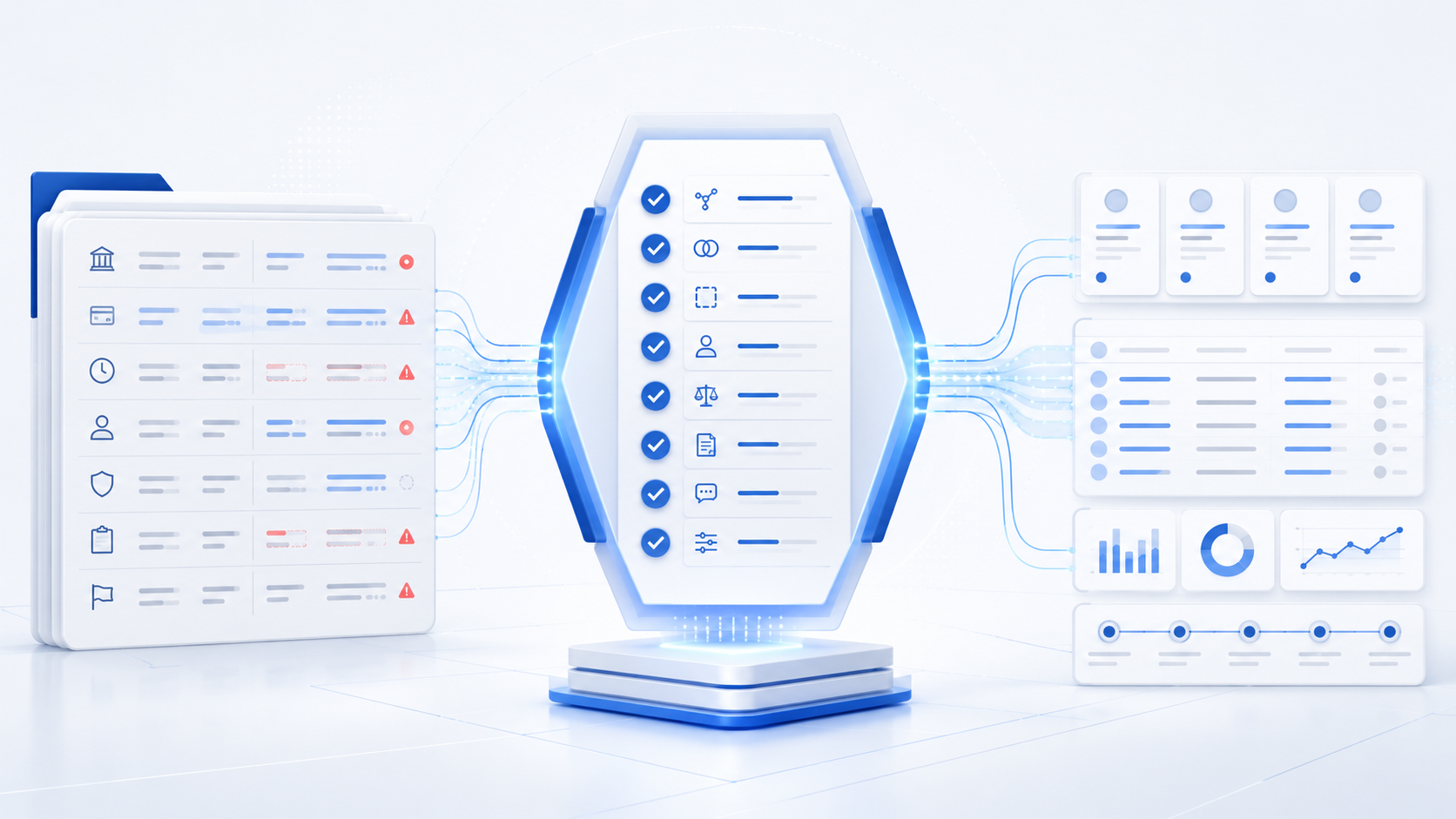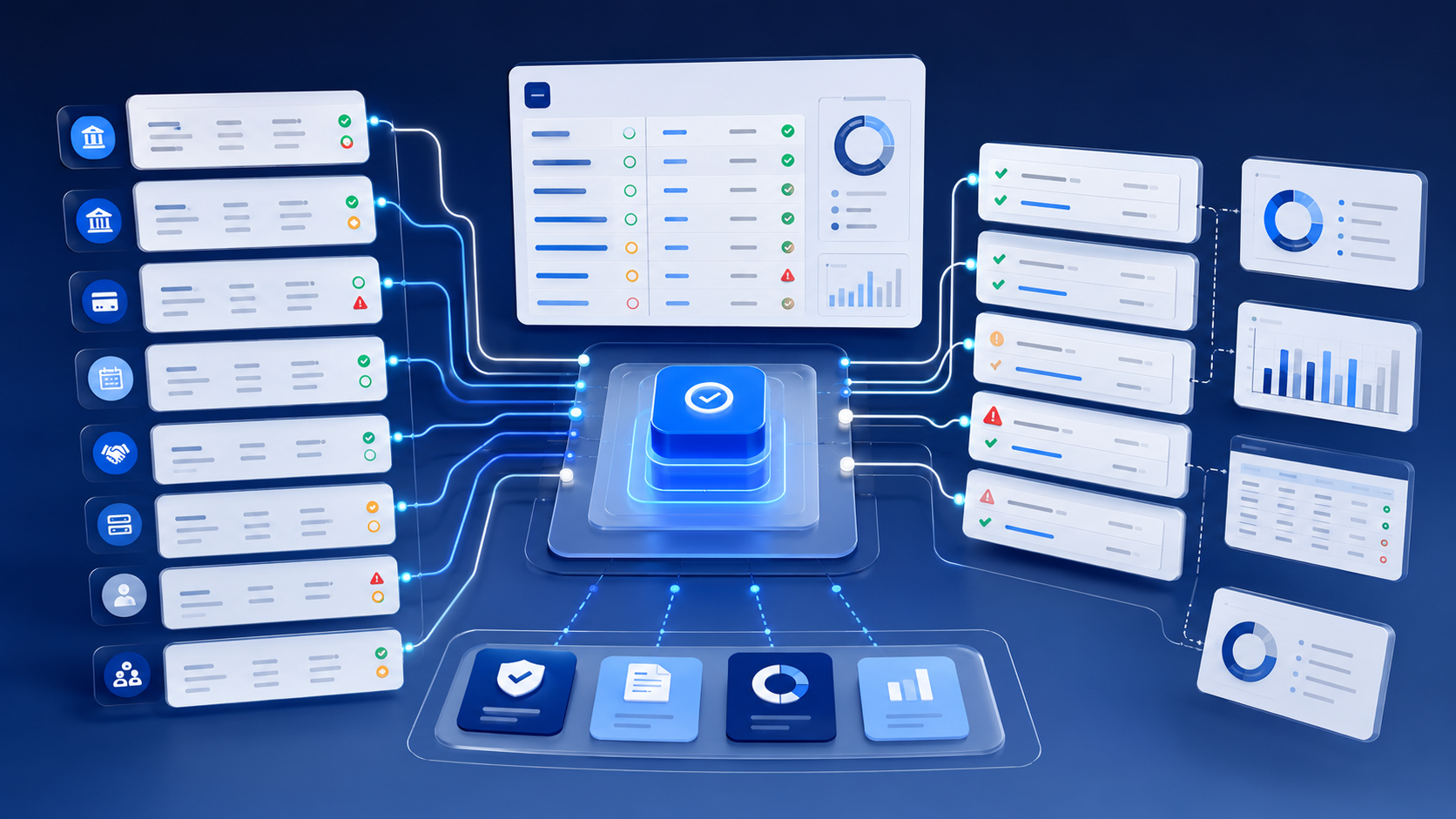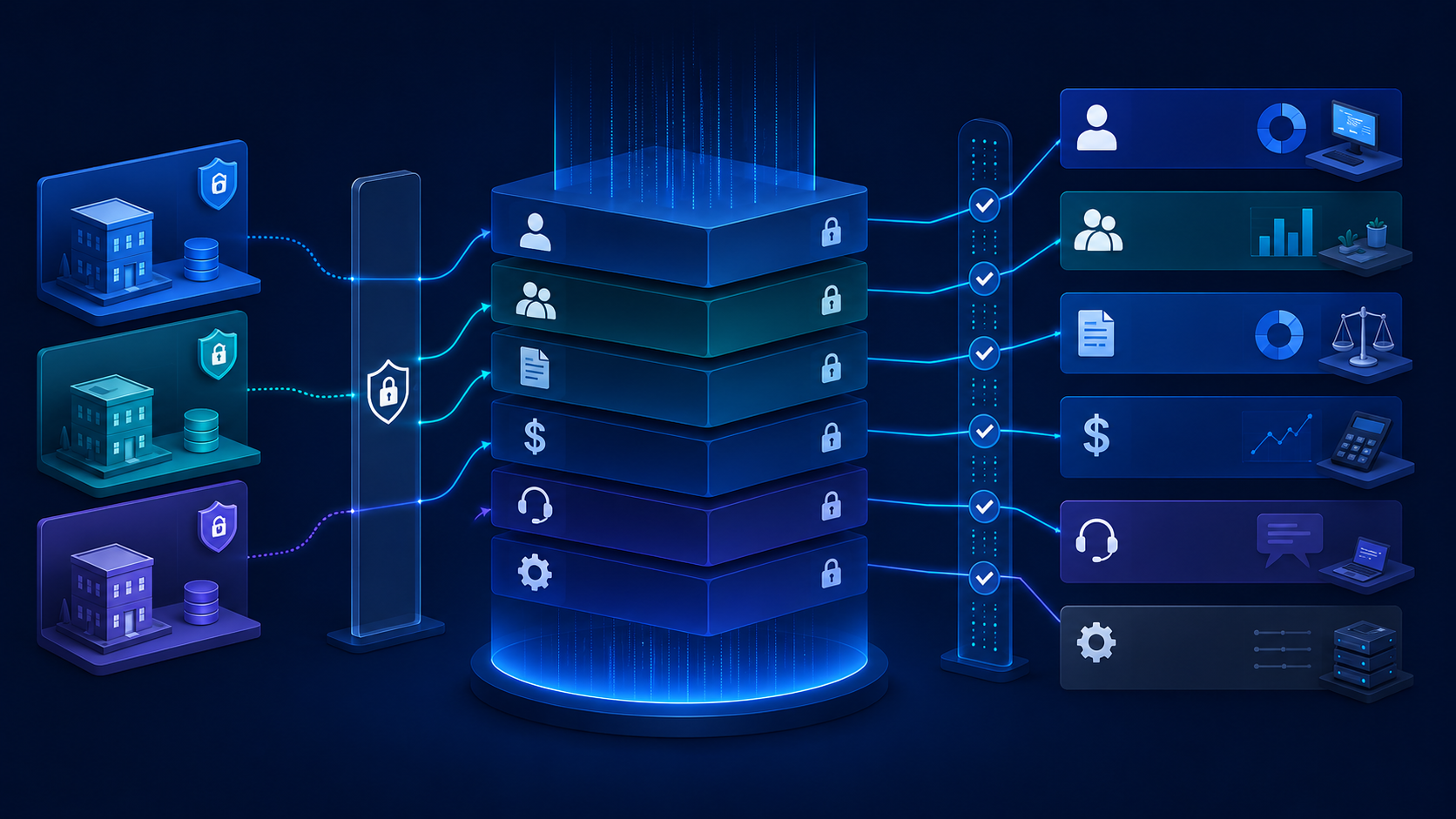
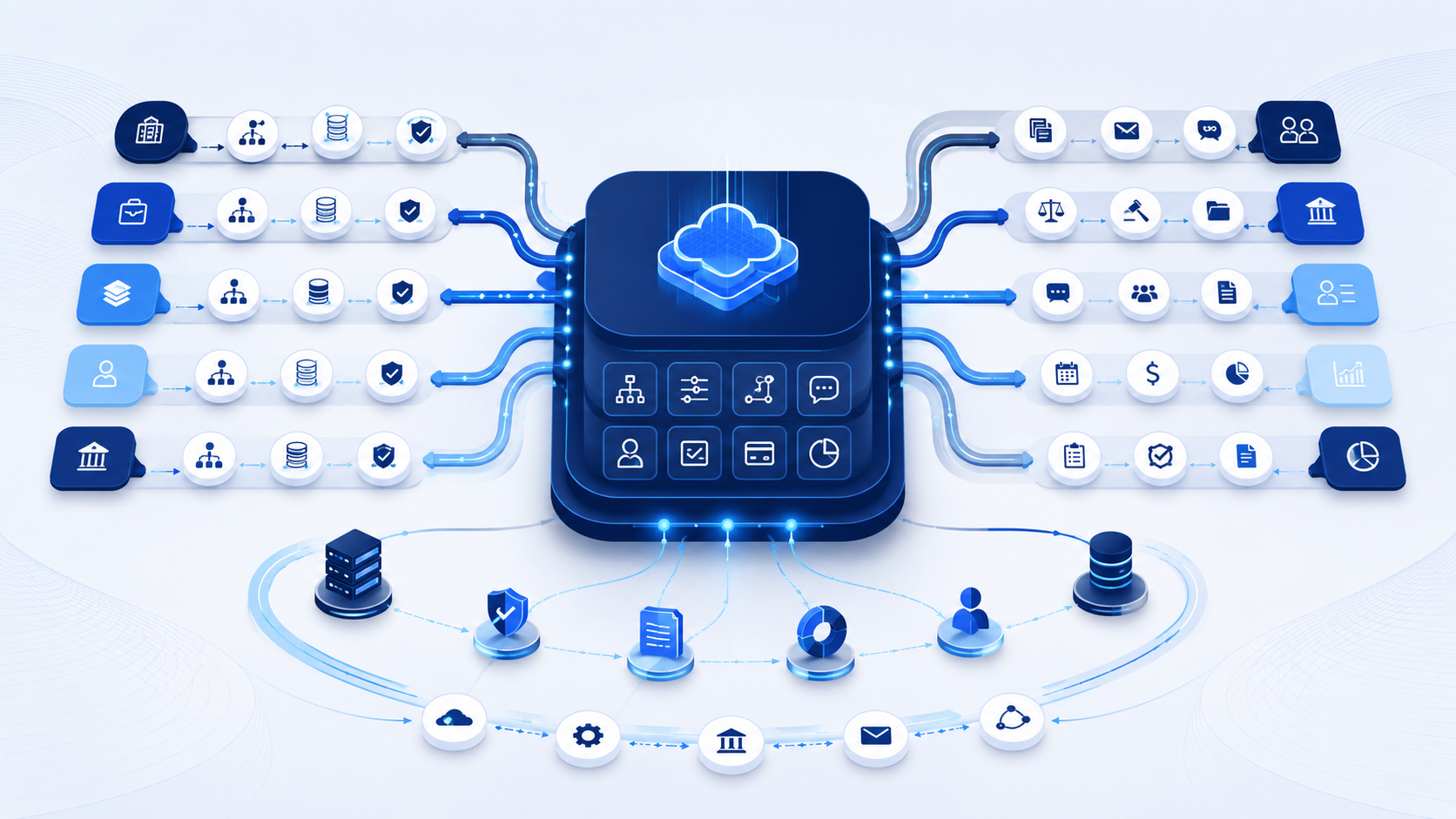
Adding portfolios does not simply add more accounts. It adds more operating variables.
Each creditor may send a different placement format, define a different fee structure, and require different communication approvals. Healthcare, commercial, banking, utility, debt-buyer, and fintechs portfolios may also introduce distinct documentation, reporting, and escalation requirements.
Small inconsistencies then repeat across thousands of accounts. Collectors use different workarounds, client services rebuild reports, and supervisors become the unofficial rule engine. Debt collection management software should coordinate that complexity in one system so portfolio growth creates control rather than confusion.
What Makes a Collection Portfolio Complex?
Complexity depends more on variation than volume. An agency may manage consumer and commercial accounts, first and subsequent placements, multiple jurisdictions, different debt classes, and legal or non-legal collection cycles. Separate rules may govern bad debt, overdue accounts, settlements, recalls, payment gateways, and reporting. Modern debt collection software should preserve those differences without turning every client into a separate system.
Build a Clear Client and Portfolio Hierarchy
A scalable platform should organize records by client, business unit, portfolio, placement, debt type, status, and owner. Teams can then see which file created an account, who owns it, which rule applies, and where results roll up. Standardized fields can coexist with controlled client attributes, while source CRM data, case management notes, documents, balances, and workflow history remain connected.
This is the foundation of effective multi-client workflow management: portfolio logic belongs in the system, not in collector memory.
Standardize Placement Intake and Data Validation
Every incoming placement should pass through repeatable placement mapping and validation before it enters production.
Map client fields to the agency’s standard data model, define required values and acceptable formats, and preserve source information needed for reconciliation. Then validate balances, contact details, identifiers, dates, documents, and duplicates. Incomplete or conflicting records should route to an exception queue instead of automated workflows. Reusable onboarding templates improve scalability by giving each new portfolio a controlled starting point.
Apply Portfolio Rules Without Creating Separate Systems
Debt collection management software should let operations teams configure queue assignment, account prioritization, communication eligibility, settlement authority, payment plans, dispute management, documentation requirements, approval steps, escalation thresholds, and closure rules by portfolio.
These intelligent workflows should be adjustable without custom development. A supervisor might change a balance threshold, add an approval step, or revise a payment plan rule while preserving history and ownership. Configurable debt collection software keeps the rule set reviewable and governable.
Coordinate the Full Account Lifecycle
Assignment, Prioritization, and Follow-Up
Accounts can be segmented by balance, age, client, status, previous activity, risk profile, and approved indicators. Predictive analytics, machine learning, and risk scoring may help prioritize attention, but inputs and routing still need oversight. Agentic AI can support task execution, while agentic AI systems and AI agents can provide summaries or next-step recommendations inside clear permissions. The goal is to make the next approved action obvious and ensure the system automates follow-ups consistently.
Communication, Payments, and Exceptions
Multi-channel outreach should coordinate phone, SMS, email, voicemail, portal, and letter activity against one account record. Multi-channel communication rules should respond when a payment posts, a consumer opts out, a dispute opens, or a client updates the account.
For regulatory compliance, agencies should configure policies with qualified counsel and enforce them consistently. The FTC’s FDCPA text and CFPB Regulation F are useful federal references, while state and client rules may add controls. Disputes should route with documents, deadlines, status, and resolution history attached. Standard activity should pause when review is required, and closures should preserve consistent reason codes and an audit trail.
Manage Permissions, Queues, and Ownership
Role-based access controls should restrict data and actions by role, client, portfolio, location, or business unit. Collectors, supervisors, compliance, finance, client services, and administrators need different views and authority.
The system should control who can change balances, approve settlements, export data, edit workflows, or override queues. Reassignments and supervisor interventions should remain visible, and temporary coverage should not require excessive access.
Unify Payments Across Portfolios
Complex agencies may support multiple payment processors or merchant arrangements. Payment processing rules should apply the correct settlement limits, convenience-fee policies, payment plans, and remittance logic to each portfolio.
A self-service portal can support online payments and payment plan setup while keeping status synchronized. Failed payments, promises, reversals, refunds, and follow-up actions should stay tied to the correct client and account. Accounting integration may also send payment activity to the general ledger while keeping agency and client reporting separate. Clean payment reconciliation helps leaders monitor cash movement and DSO without post-close repair work.
Create Reporting at Every Level
Portfolio reporting should cover placements, liquidation, payments, contact activity, disputes, exceptions, and status. Client views should consolidate portfolios while preserving service-level detail. Agency views should compare clients, teams, debt types, strategies, collection cycles, overdue accounts, and DSO trends. Real-time reporting only works when leadership and clients use consistent definitions for recoveries, fees, disputes, and closures.
Connect the Wider Technology Stack
The platform may connect creditor systems, dialers, credit bureaus, legal tools, payment gateways, business intelligence tools, and accounting platforms. Each integration should map data to the correct client, entity, portfolio, and account while preserving source records for reconciliation. Agencies also need clear monitoring for every data exchange, including visibility into failed syncs, rejected records, retries, duplicate entries, and stale data. Integration controls matter just as much as the initial connection because unnoticed errors can disrupt placements, payments, workflows, and client reporting.
What Changes as Portfolio Complexity Grows?
At scale, agencies need stronger data governance, version control, change approval, exception management, integration monitoring, client reporting, audit trails, and implementation discipline. The platform should add structure, not administration. Ask vendors:
- How are clients, portfolios, placements, and source records modeled?
- Can portfolios use different communication, settlement, and dispute rules?
- Can operations change rules without custom code while retaining history?
- How are payments allocated, reconciled, and reported?
- Can permissions and reports be separated by portfolio?
- How are integration failures surfaced and audited?
- How will active accounts, documents, payments, and configurations migrate?
Final Thoughts: Complexity Requires Structure
Complex portfolios should not require separate systems, uncontrolled customizations, or constant manual coordination. The right debt collection management software standardizes core processes while preserving the client and portfolio differences that matter.
Aktos gives operations teams one configurable system for workflows, data, permissions, integrations, payments, reporting, and audit trails. Agencies can expand their portfolio mix without making operational sprawl the price of growth.
See how Aktos helps operations teams manage complex clients, portfolios, workflows, payments, and reporting in one modern platform.
FAQs
Q: What is debt collection management software?
A: It is the operational system a third-party agency uses to manage placements, accounts, workflows, communications, payments, disputes, users, client requirements, and reporting.
Q: How does collection software organize multiple portfolios?
A: It uses hierarchies, placement records, standardized fields, workflows, queues, permissions, and reporting relationships to connect each account to the correct client rules.
Q: Can separate portfolios use different collection strategies?
A: Yes. A configurable platform can apply different segmentation, communication, settlement, payment, escalation, approval, and closure rules in one governed environment.
Q: How does portfolio complexity affect reporting?
A: More portfolios introduce more definitions, service levels, fee structures, and exceptions. Software must preserve client detail while maintaining consistent agency-wide metrics.
Q: What should agencies migrate when changing platforms?
A: Migrate active accounts, historical activity, documents, communications, payments, disputes, permissions, portfolio rules, integrations, and reporting configurations.