Utility debt can look simple from a distance: a customer receives essential services through utility service, unpaid utility bills remain, and the account moves to a collection agency.
Utility companies and municipal utility providers may send placements with final bills, multiple service addresses, move-in and move-out dates, deposits, adjustments, prior payment history, shared names, repeated account identifiers, disconnection dates, and contact information gathered across years of service. If those records enter active queues without controlled validation, collectors inherit the cleanup later.
Strong utility debt collection starts before the first call, text, email, or letter. It starts with a placement workflow that can answer one question: Do we have enough reliable account context to work this record correctly?
Why Utility Collections Need More Than a File Import
High-volume utility collections and accounts receivable handoffs create pressure to move quickly. But importing every row directly into active workflows can spread errors across communication, payment plan data, credit reporting, client reporting, and debt recovery.
A consumer may have utility accounts at two service addresses. A final balance may include an adjustment that differs from the first placement amount. A utility company may send an update file containing a newer address but an older balance. Two records may look like duplicates even though they represent separate service periods.
Our placement file validation guide explains why intake quality affects every downstream debt collection process.
Step 1: Define the Required Utility Placement Data
The cleanest intake process starts with a client-specific data contract: which fields are required, which are optional, what valid values look like, and what happens when a required field is missing.
For utility debt collection, useful fields often include creditor and portfolio identifiers, consumer name, account number, contact data, service address, service start and end dates, final-bill date, placement balance, payment or adjustment history, and known account restrictions.
The agency may also need data related to prior disconnection, shutoffs, reconnection, deposits, payment plan status, or transferred utility service. The objective is to define the minimum information needed to route, communicate, reconcile, and report on delinquent accounts and past-due accounts correctly.
Step 2: Validate Before Accounts Become Actionable
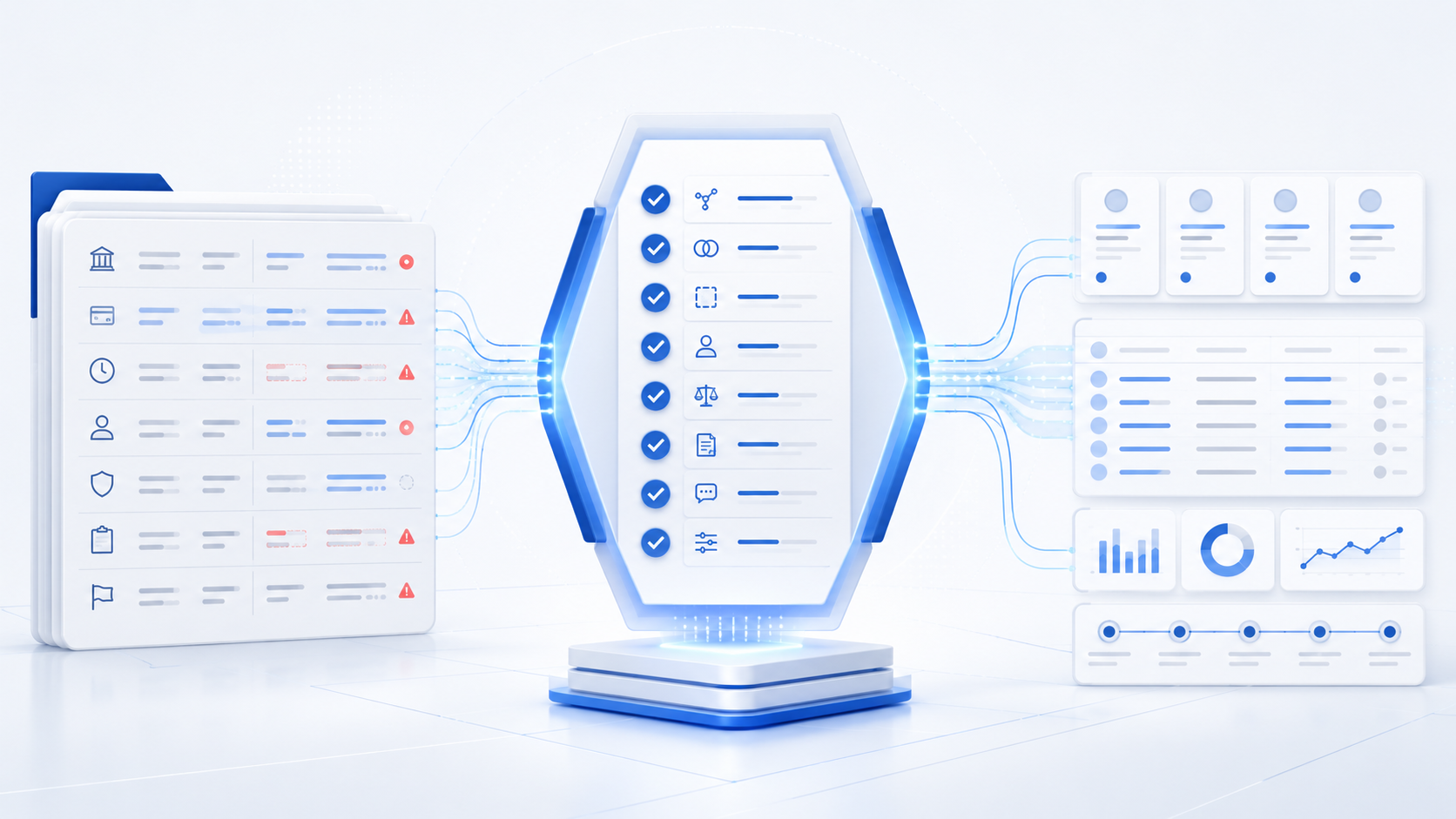
Before an account enters a collector queue, validate required identifiers, balance formats, service dates, consumer information, client-specific fields, and suspected duplicates. Confirm whether the row is a genuinely new placement or an update to an existing utility account.
A weak workflow either rejects the entire file or imports everything and leaves the debt collector to sort it out. A stronger third-party agency workflow isolates exceptions. Clean records continue into approved debt collection strategies while questionable records move to review.
Step 3: Treat Duplicate Detection as Record Matching
Utility collections create legitimate lookalikes. One consumer may have multiple addresses. A household may contain similar names. A reopened account may resemble a previous service period. An updated placement can contain better contact data for an account that already exists.
Deduplication should therefore mean matching and decisioning, not simply deleting similar rows. The system should compare identifiers and context, estimate confidence, and decide whether records should be linked, merged, updated, or reviewed.
Source history matters too. If an agency changes an address after skip tracing, teams should still be able to distinguish the original client-provided address from enriched contact data. That provenance makes client questions and downstream reporting easier to answer.
Step 4: Separate Service Address From Contact Address
In the utility sector, the service location is operationally important, but it should not automatically become the consumer's current contact address. People move, and a move often explains why a final utility bill exists.
A clean account model should distinguish service location, mailing address, current known address, and any verified or enriched address. Keeping those fields separate reduces wrong assumptions and helps the agency preserve the utility service context without confusing it with the best current outreach data.
Skip tracing can support updated contact discovery, but new data should not silently overwrite the creditor's original placement record.
Step 5: Build Clear Exception Workflows
Not every utility account should move in a straight line from import to outreach. Agencies need defined paths for missing account data, conflicting balances, suspected duplicates, disputes, returned mail, failed payment plan activity, internal collections handoffs, or adjustments after placement.
Each exception should have an owner, status, next action, and reason code. Otherwise, accounts fall into a generic hold bucket where nobody knows whether the next move belongs to client services, compliance, data operations, or a collector.
Step 6: Keep Credit Reporting and Debt Validation Connected
Utility debts may also intersect with credit reporting, depending on the creditor, account, and agency process. If information will be furnished to credit bureaus, data accuracy and dispute handling become especially important. The Fair Credit Reporting Act establishes obligations around consumer-report information, while the Consumer Financial Protection Bureau (CFPB)'s Regulation F includes rules that apply before a debt collector furnishes information about a debt to a consumer reporting agency.
A utility collection workflow should not treat credit reporting as a disconnected export. Balance changes, disputes, debt validation activity, recalls, and resolution status need to remain consistent with the account record. The objective is not to manipulate a consumer's credit score. It is to keep any permitted furnishing accurate and defensible.
The same principle applies to the Fair Debt Collection Practices Act (FDCPA). The FTC's FDCPA resource is a useful federal baseline for third-party collectors, while state rules may add additional requirements. Agencies should consult qualified counsel for their specific collection services and jurisdictions.
Step 7: Keep Client Updates Connected to the Same Account History
Utility portfolios change after placement. A utility company may send a payment, adjustment, recall, balance correction, or new contact detail. The agency may receive a dispute or payment directly from the consumer. Those events should update the account without erasing the historical context.
If those answers require comparing multiple files, emails, and collector notes, the utility debt recovery process is not truly connected. Real-time or reliable integrations matter here; Our guide to debt collection software integrations explains what agencies should expect from modern data sync.
What Better Utility Debt Collection Software Looks Like
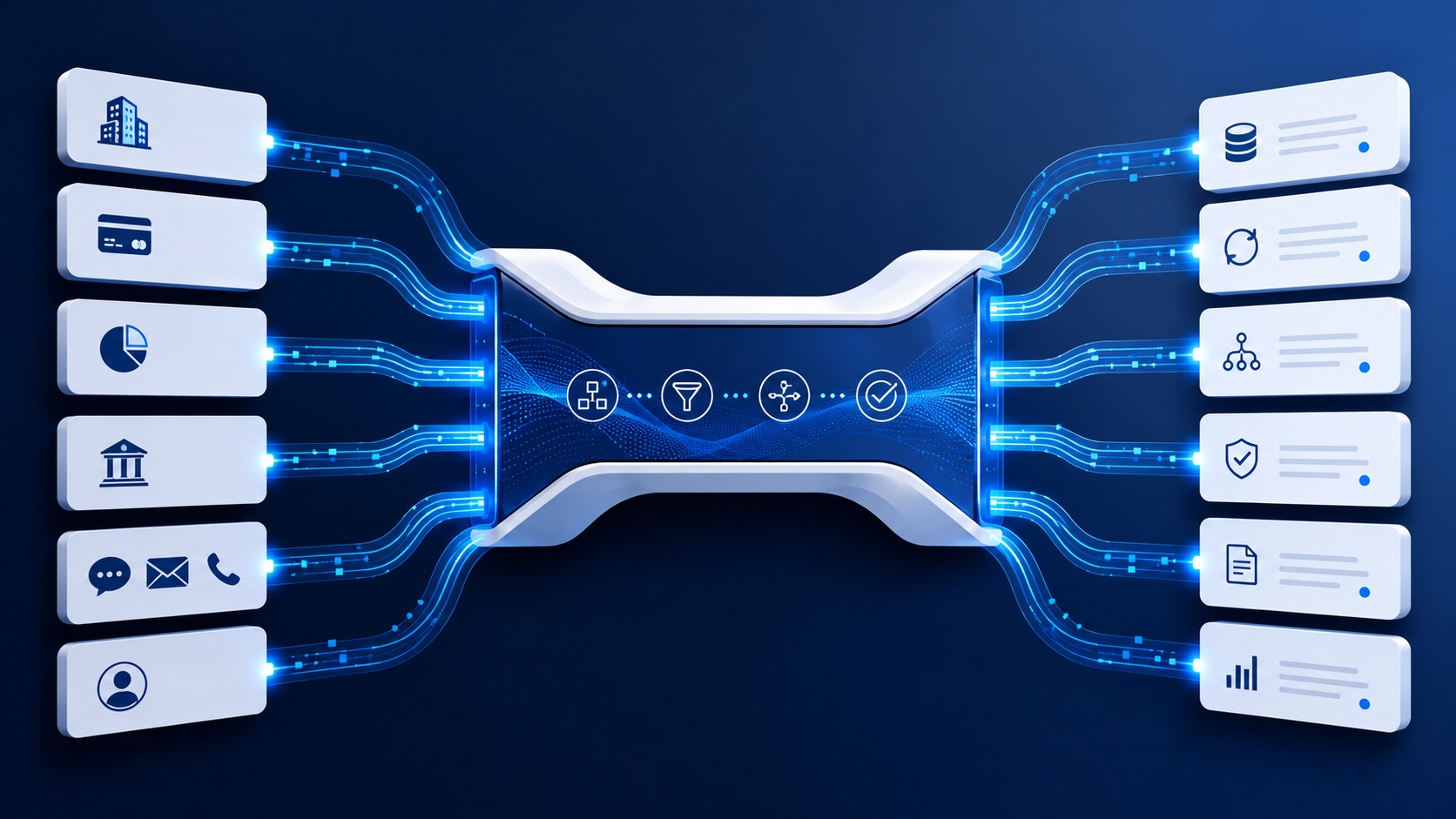
Modern software for a debt collection agency handling utility debt should map creditor-specific fields into a consistent record, validate required data before activation, isolate exceptions, preserve source history, apply client-specific workflows, and connect payments, disputes, communications, and reporting.
It should support both large utility companies and municipal utility placements without forcing the agency to build a separate operating system for each client.
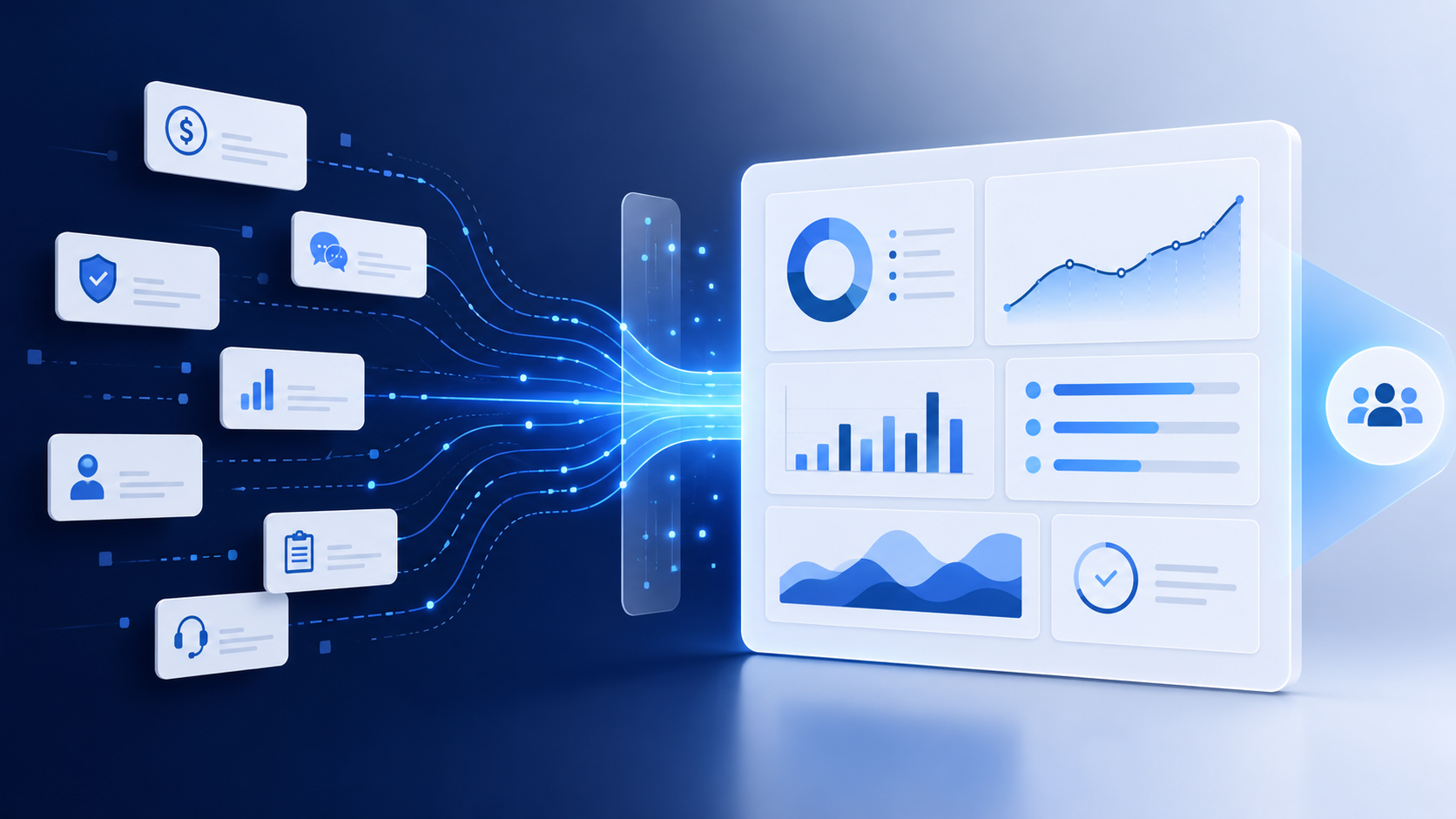
At Aktos, we are designed around that connected model. Configurable workflows, account-level history, automation, open APIs, and real-time reporting help agencies carry intake decisions through the rest of the account lifecycle. For client-facing visibility after placement, collection agency reporting dashboards can keep utility providers informed without manual reconciliation.
Final Thoughts: Better Utility Debt Recovery Starts at Intake
Utility debt recovery is not only determined by how many messages an agency sends or how quickly a collector works a queue. It is also determined by whether the account was trustworthy before outreach began.
A strong placement workflow validates the record, preserves the creditor's source data, separates clean accounts from exceptions, and gives every account a controlled next step. That foundation improves collector productivity, client reporting, payment handling, and recovery strategy across the utility sector.
FAQs
Q: What makes utility debt collection different from other debt types?
A: Utility debt often includes service addresses, final bills, move dates, deposits, adjustments, disconnection history, and multiple service periods. Those data points make intake and record matching especially important.
Q: Can a collection agency collect unpaid utility bills after service is disconnected?
A: A past-due balance may still be placed after disconnection, subject to applicable federal and state law, client instructions, and account-specific restrictions.
Q: Can utility debt affect a credit report or credit score?
A: It can, depending on furnishing practices and applicable rules. Agencies should keep balances, dispute status, and account history accurate and follow FCRA, CFPB Regulation F, and other requirements.
Q: Should utility accounts use the same workflow as medical debt?
A: Not automatically. Utility bills and medical debt can involve different client data, documentation, state rules, account restrictions, and consumer circumstances. A modern platform should support client- and portfolio-specific workflows.