Accounts receivable recovery is not one collection action. It is the connected process of moving delinquent accounts from placement toward payment, arrangement, dispute resolution, return, legal action where appropriate, or another documented outcome.
For a third-party collection agency, the process begins before the first call or message. The agency needs accurate accounts receivable data, enough documentation to work the placement, client-specific rules, communication controls, payment options, and a clear way to decide what happens next.
Once recovery begins, every account event can change the path. A promise to pay changes follow-up. A payment updates the balance. A failed transaction may reopen a workflow. A dispute requires different handling. A self-service payment may resolve an account without a collector ever speaking with the consumer.
Modern accounts receivable recovery works best when those events stay connected to one account history rather than being spread across disconnected systems.
Where Accounts Receivable Recovery Begins
Creditors usually start with their own accounts receivable management. They may use an aging report to monitor unpaid invoices, track outstanding invoices, overdue invoices, overdue payments, DSO, working capital, and cash flow before deciding when overdue accounts should move from internal follow-up to a collection agency.
That handoff changes the operating environment. A debt collection agency needs the consumer, creditor, balances, key dates, prior payments, arrangements, documentation, communication restrictions, dispute status, and client rules.
The CFPB's debt collection resources provide consumer-facing context on third-party collection, while the FTC's FDCPA text and the CFPB's Regulation F are important federal reference points. Agencies should build their workflows with qualified legal and compliance guidance for the rules that apply to their operations.
Step 1: Validate the Placement Before Working It
Bad intake data creates bad recovery work downstream. Before accounts enter active queues, the agency should verify required fields, balances, identifiers, duplicate records, exception indicators, and supporting documentation.
Our placement file validation guide explains why malformed, missing, conflicting, or duplicate data should be identified before collectors start working accounts.
This protects the full recovery process. Collectors should not spend their first interaction discovering that a balance is wrong, an account is uncollectible under the agency's rules, or a critical document is missing.
Step 2: Prioritize Accounts With More Than One Signal
Balance, placement age, delinquency age, debt type, prior contact, payment history, arrangements, channel preference, client rules, and exception status can all shape the next action. The goal is not one universal "best" account; it is routing each account into an appropriate strategy based on current information.
Step 3: Coordinate Outreach Around Current Account State
Accounts receivable collections may use phone, SMS, email, letters, voicemail, and self-service. If channels run independently, the agency can create overlapping messages or stale follow-up. A portal payment, dispute, opt-out, or other account event should update the workflow used by every relevant channel.
Step 4: Turn Payment Intent Into a Managed Workflow
The difference between a consumer saying they will pay and actual recovered cash is everything that happens next.
A recovery system should distinguish among immediate payment, promise to pay, scheduled payment, payment plan, settlement, partial payment, failed payment, and broken arrangement. Each status needs a different next action.
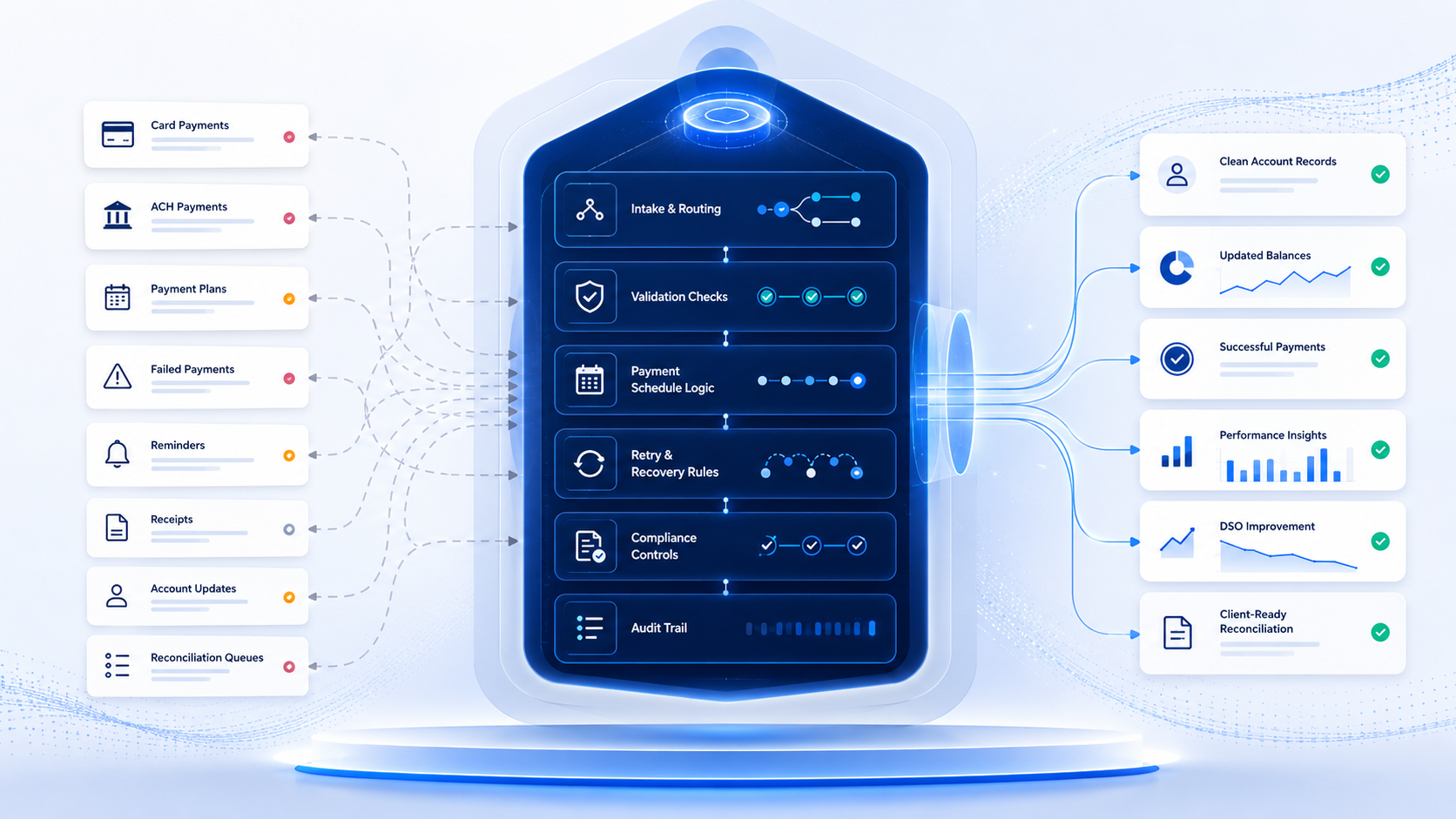
Our guide to debt collection payment automation explains why payment reminders, arrangements, processing, failed-payment handling, posting, and reconciliation should operate as one connected workflow.
Flexible payment options can help consumers act when they are ready, but the agency still needs client-approved rules. The system should know when collecting payments changes balance, arrangement status, outreach eligibility, and client reporting.
Step 5: Make Self-Service Part of AR Recovery
Not every account needs a live collector conversation to move toward resolution. A secure portal can let consumers review balances, make payments, set up eligible arrangements, or complete other account actions on their own time.
That can reduce routine call volume and let collectors focus on conversations that require judgment, explanation, negotiation, or documentation. Our guide to debtor self-service portals explains why portal activity should update the same account history used by collectors and operations.
For AR recovery, self-service is most useful when the portal updates the collection account in real time. An online payment should immediately change the balance and relevant workflows instead of waiting for a manual batch update.
Step 6: Handle Exceptions Without Stranding the Account
Disputes, missing documentation, wrong-party contact, recalls, hardship requests, bankruptcy indicators, failed payments, deceased-consumer workflows, and legal review all need clear ownership. The dangerous exception is the one that disappears into notes with no visible next step.
Legal action, when appropriate, should be a controlled workflow supported by qualified counsel rather than a generic escalation.
Step 7: Keep Recovery Data Current After Every Event
Payments, arrangements, recalls, disputes, and reversals all change account state. If systems update slowly, collectors and automation can act on yesterday's reality. Payment processors, creditor systems, portals, communication tools, reporting, and ERP connections therefore need reliable data exchange.
Current data also supports cash flow visibility and stronger client relationships. Better cash flow reporting helps creditors see portfolio changes without waiting for month-end cleanup.
Step 8: Measure Recovery With Context
Total dollars recovered matters, but agencies may also track recovery rates, placement vintage, aging bucket, payment-plan completion, promise-to-pay fulfillment, failed-payment cures, self-service usage, contact outcomes, remaining balance, and exception resolution time.
Days sales outstanding can help creditors understand broader receivable performance, while agency reporting explains what happens after placement. Bad debt and write-offs also need context: an account that becomes uncollectible after extensive work is different from one returned because the placement was incomplete.
What Changes Across Healthcare and Other Portfolios
Recovery differs by portfolio. In healthcare, revenue cycle management (RCM) may involve medical billing, aged claims, underpayments, co-pays, insurer activity, and patient responsibility before third-party placement. Other creditors may originate data in an ERP, loan servicing platform, utility system, or another accounts receivable application.
The agency does not need to make every portfolio look the same. It needs enough source context to apply the right recovery workflow after placement.
What a Modern Recovery System Should Connect
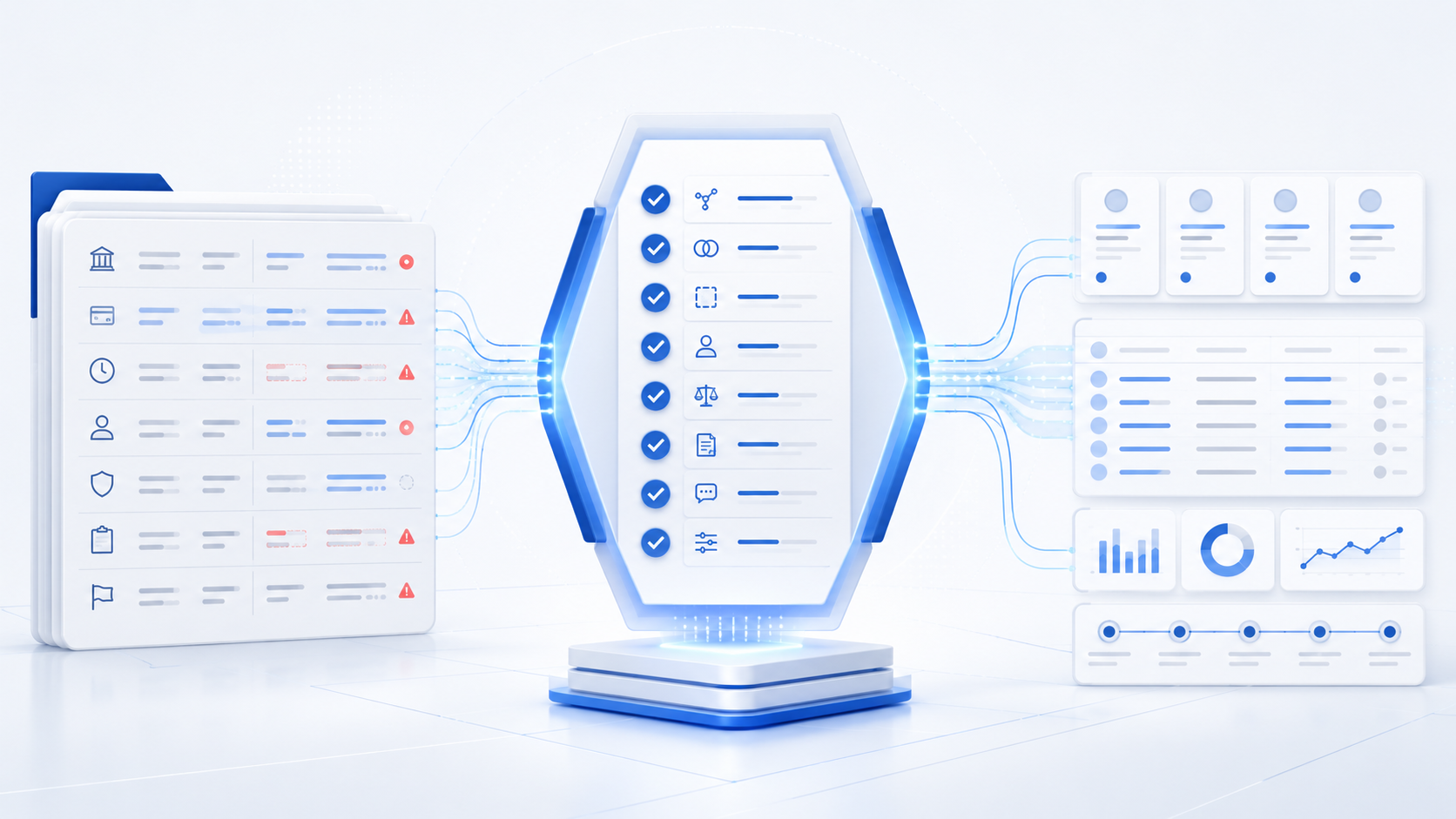
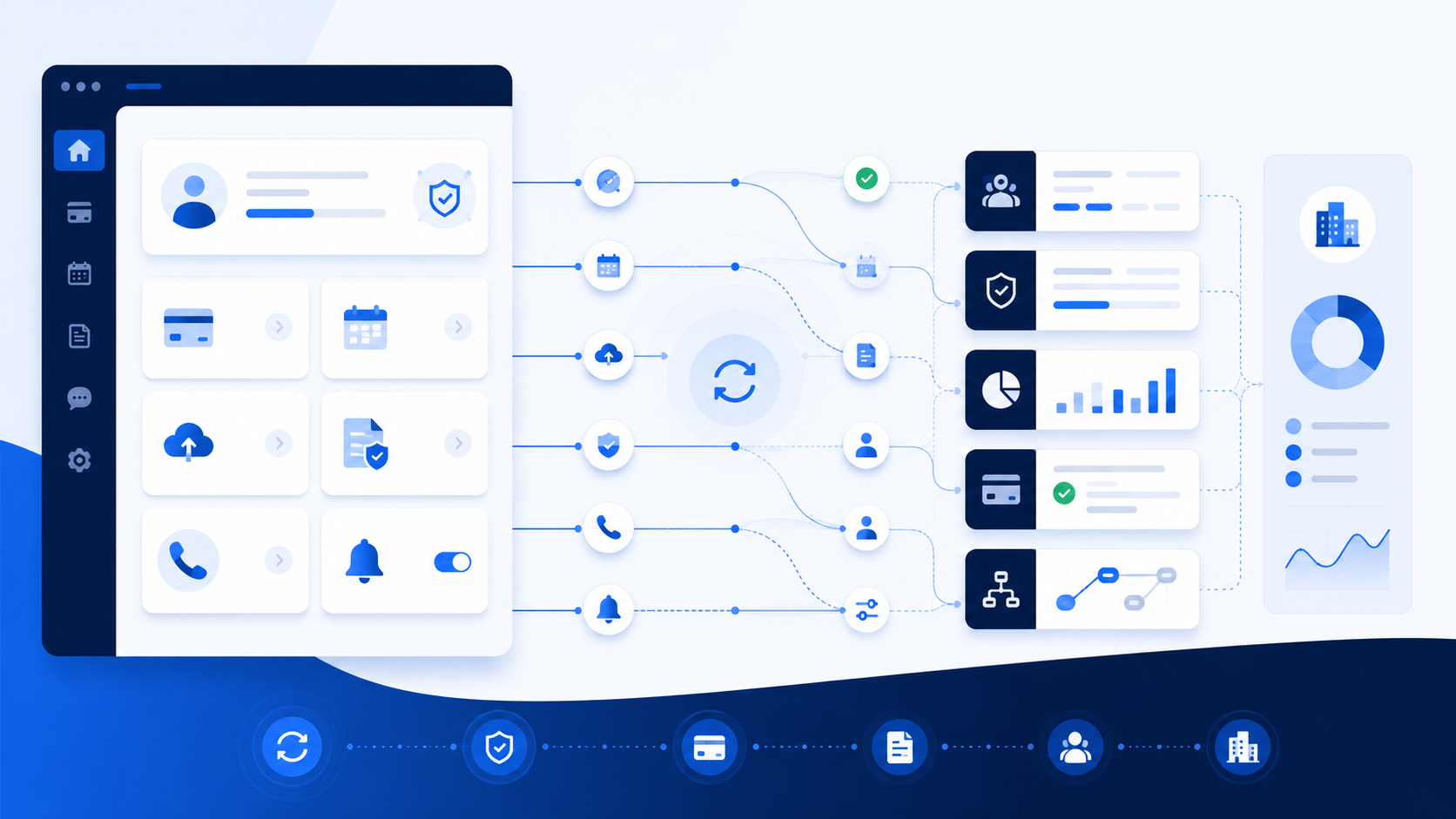
A modern platform should connect placement intake, consumer and account records, queue management, omnichannel communication, payment plans, self-service, posting, reconciliation, disputes, client rules, audit history, and client reporting. That gives accounts receivable collections one current operating context as volume and automation grow.
How Aktos Supports Accounts Receivable Recovery
Aktos brings collection workflows, consumer communication, payments, reporting, client visibility, integrations, and AI-powered automation into one modern platform.
For recovery teams, the value is continuity. A placement can enter through structured intake, move into the right queue, trigger outreach based on account status, capture payment commitments, update after portal activity, route failed payments, and feed client reporting from the same account history.
That reduces the operational gaps that appear when AR recovery depends on multiple disconnected systems or manual handoffs.
Final Thoughts
Accounts receivable recovery works best as a connected operating process, not a sequence of isolated tasks. Data and client rules shape intake. Prioritization determines the first path. Communication creates new information. Promises and payments change follow-up. Exceptions change eligibility. Reporting explains the result.
When every step updates the same account history, agencies can improve debt recovery with less manual coordination and clearer visibility from delinquency through resolution.
FAQs
Q: What is accounts receivable recovery?
A: Accounts receivable recovery is the process of moving overdue receivables toward payment or another documented resolution. For a collection agency, it includes placement intake, prioritization, outreach, payments, exceptions, reporting, and account closure or return.
Q: What is the difference between AR recovery and debt recovery?
A: AR recovery is a broad receivables concept that can include internal creditor collection work. Debt recovery often refers more directly to collecting delinquent obligations, including work performed by a third-party collection agency.
Q: When should a creditor send overdue accounts to a collection agency?
A: The answer depends on the creditor's credit management strategy, payment terms, customer relationship, portfolio type, internal resources, and risk tolerance. Creditors typically define placement rules based on age, status, balance, and internal collection history.
Q: What are account receivable recovery services?
A: Account receivable recovery services generally include activities such as contacting consumers, arranging payments, handling disputes, processing payment plans, documenting outcomes, and reporting results back to the creditor.