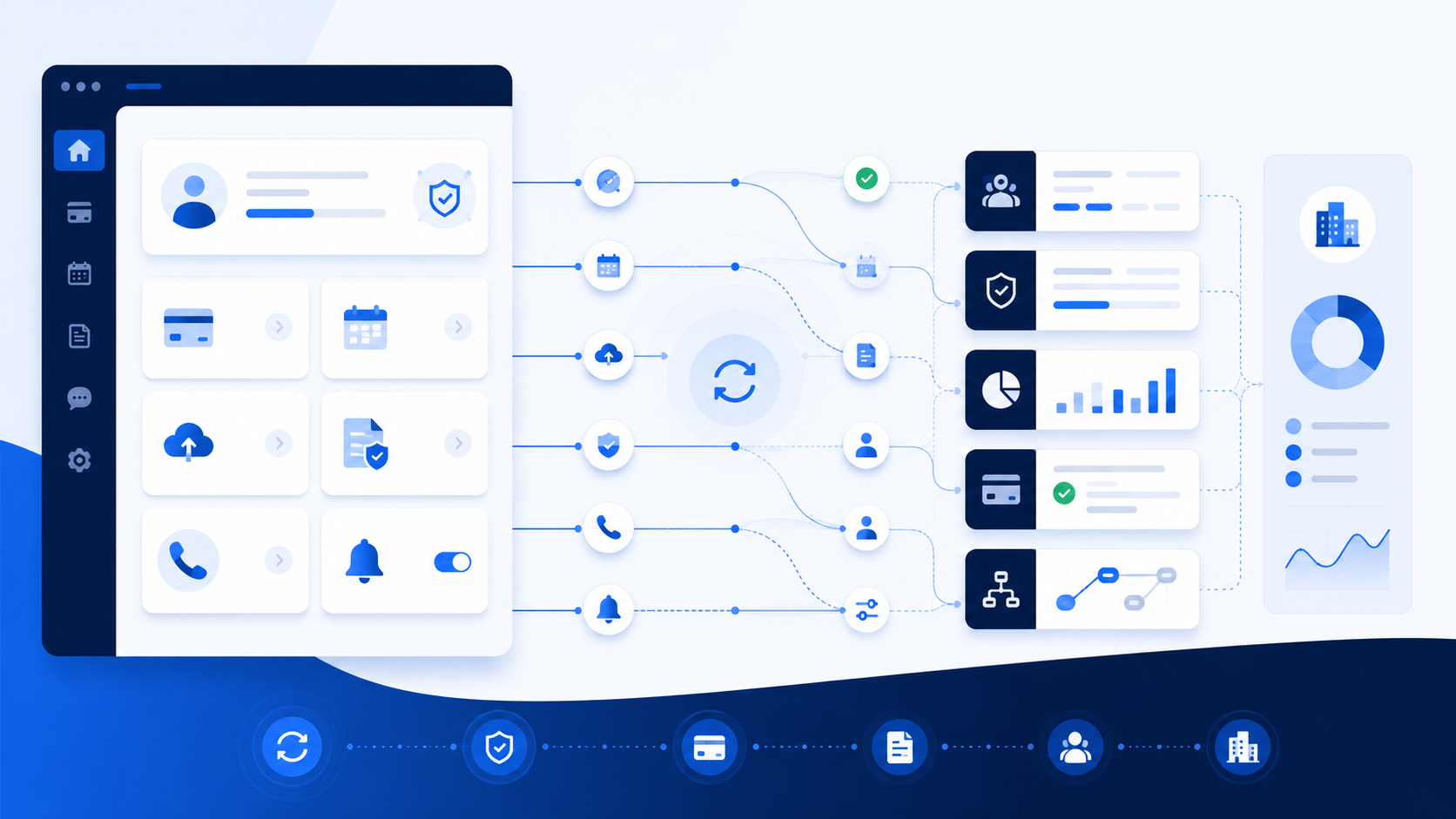
A payment portal should help a consumer resolve an account without creating a second workflow for the collection agency. Many payment pages still stop at the transaction. A consumer submits a credit card or ACH payment, yet the core collection system still needs a batch update. A payment plan is created online, but the collector cannot see it. A payment fails, but no follow-up starts.
For agencies, the portal is only useful when each digital payment remains connected to the account. A modern customer payment portal should give consumers secure self-service while giving the agency current visibility into balances, payment methods, arrangements, receipts, exceptions, and the next operational step.
What Is a Customer Payment Portal?
A customer payment portal is a secure online payment portal where a consumer can review eligible account information and complete payment-related actions without relying on a live collector.
Depending on agency and client rules, the portal may let consumers make a one-time card or eCheck payment, use a debit card, create scheduled payments, enroll in autopay, set up recurring payments, update a card on file, review payment history, or choose an approved payment plan or settlement option.
That makes a payment portal narrower than a full self-service portal. A broader experience may also support disputes, document uploads, communication preferences, or callback requests. Our guide to debtor portals explains why every self-service action should update the collection system rather than create a separate digital silo.
Start With Accurate Balance and Account Information
The payment user experience begins before the consumer enters billing information. The portal needs to show the right account, current balance, and payment options based on current status.
That sounds obvious, but many online payment portals are built around standard invoice-based accounts receivable. In those environments, a customer may review multiple invoices, select an open invoice, and pay according to established payment terms. The portal may sort invoices by due date, let the customer choose which invoices to pay, and keep paid invoices visible in payment history.
Collection agencies have a different operating context. Their portals may need to account for prior payments, settlement approvals, existing arrangements, disputes, recalls, reversals, failed payments, and client-specific rules. A stale balance or outdated status creates immediate friction and can undermine trust in the entire self-service experience.
Offer Payment Methods Consumers Can Actually Use
A strong portal should support the payment methods the agency is prepared to manage operationally.
One-Time Payments
Consumers should be able to make eligible one-time payments without calling an agent. The system should accept payments through approved methods, record the transaction result, issue a confirmation, and update the account quickly.
Recurring and Scheduled Payments
Recurring payments require more than a calendar. The CFPB's Regulation E provision on preauthorized transfers addresses authorization requirements for preauthorized electronic fund transfers from consumer accounts. Nacha's ACH developer guidance also explains authorization concepts for consumer ACH entries, including recurring and internet-initiated debits.
Agencies should work with qualified counsel and payment providers on the requirements that apply to their workflows. Operationally, the collection system should know an arrangement exists before the next outreach sequence runs.
Payment Plans and Settlements
A portal can present approved payment plans or settlement options instead of forcing a collector to build every arrangement manually. Those options should still enforce client-specific limits, authorization rules, minimum terms, and approval paths.
Payment Security Is Part of Portal Design
Any portal that handles a credit card or debit card needs intentional payment-security architecture. E-commerce payment page security can directly affect how agencies should think about embedded payment components, card data handling, and overall security responsibilities.
For agencies, the design questions are practical. Which system captures the payment data? Is sensitive information encrypted appropriately? Is card data tokenized so the collection platform can use a reference instead of storing raw details? Who hosts the payment form?
A secure portal is a controlled payment workflow with clear ownership of authentication, encryption, tokenized payment data, access, logging, and exceptions.
The Portal Must Handle More Than Successful Payments
Transactions fail. Cards expire. ACH payments return. Consumers cancel arrangements. Processor outages happen. A transaction can also appear successful and later be reversed.
A useful customer payment portal should give the consumer a clear status while the collection system decides what happens next. Does the account remain in the arrangement? Do payment reminders go out? Should the consumer receive a secure link to update a payment method? Does the collector need a task? Should the client report reflect a reversal?
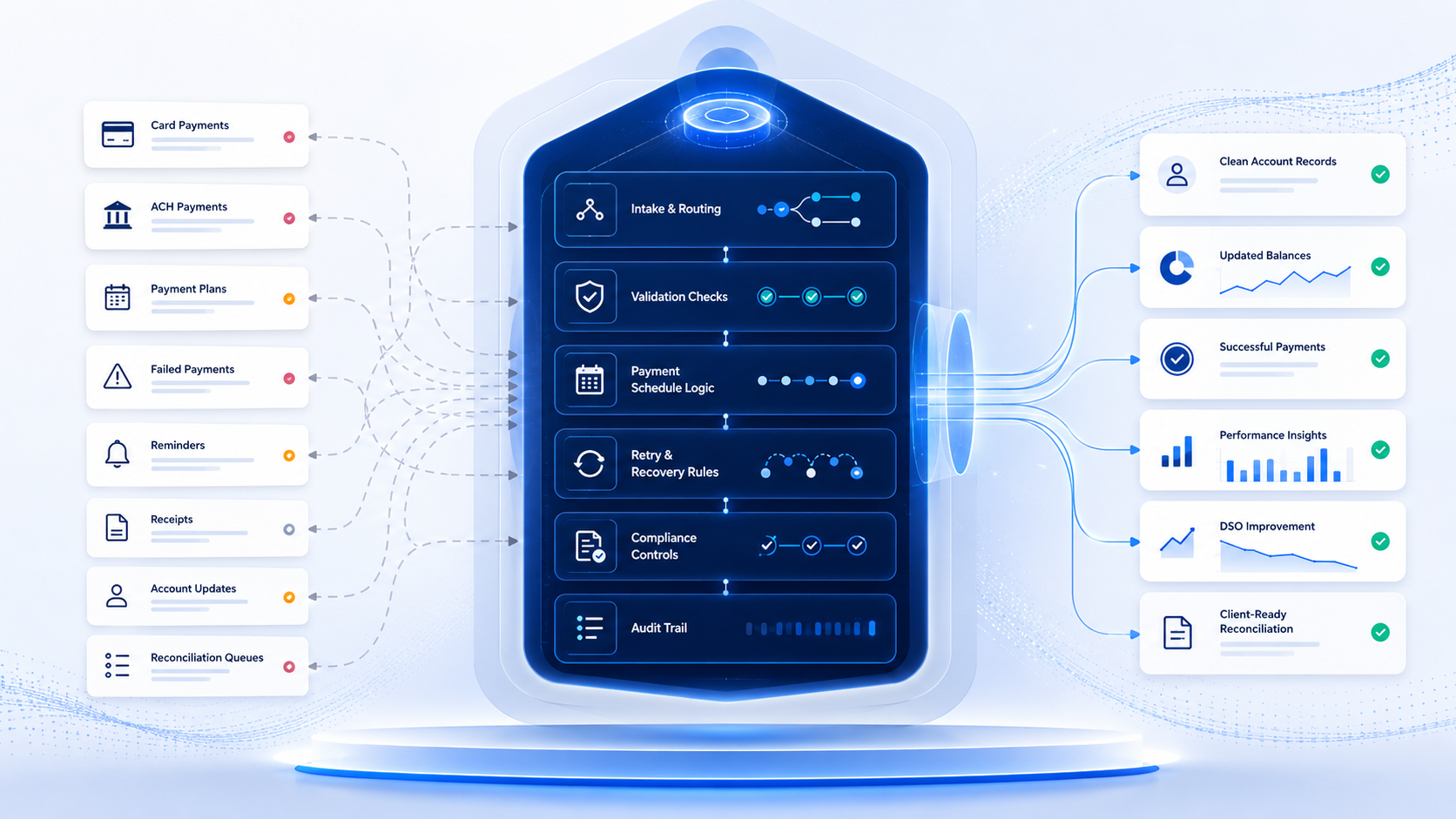
Our guide to debt collection payment automation explains why reminders, arrangements, processing, failed-payment handling, posting, and reporting work best as one connected workflow.
Receipts and Payment History Need to Stay With the Account
Consumers should receive a clear confirmation, and staff should see the same payment history inside the account record. Useful fields include amount, date, payment method category, processor reference, arrangement association, transaction status, receipt identifier, and reversal history.
That shared record also improves customer support because collectors do not need to search a separate processor portal to understand whether a transaction succeeded.
Real-Time Updates Make Self-Service Operationally Useful
The strongest argument for an integrated customer payment portal is what happens after the consumer clicks submit. A successful payment can change current balance, collector queue eligibility, payment-plan status, promise-to-pay status, communication workflows, settlement fulfillment, client reporting, and reconciliation.
If those updates wait for overnight files, the agency can act on stale information. A consumer may make a self-service payment in the morning and still receive outreach later because yesterday's queue never saw the transaction.
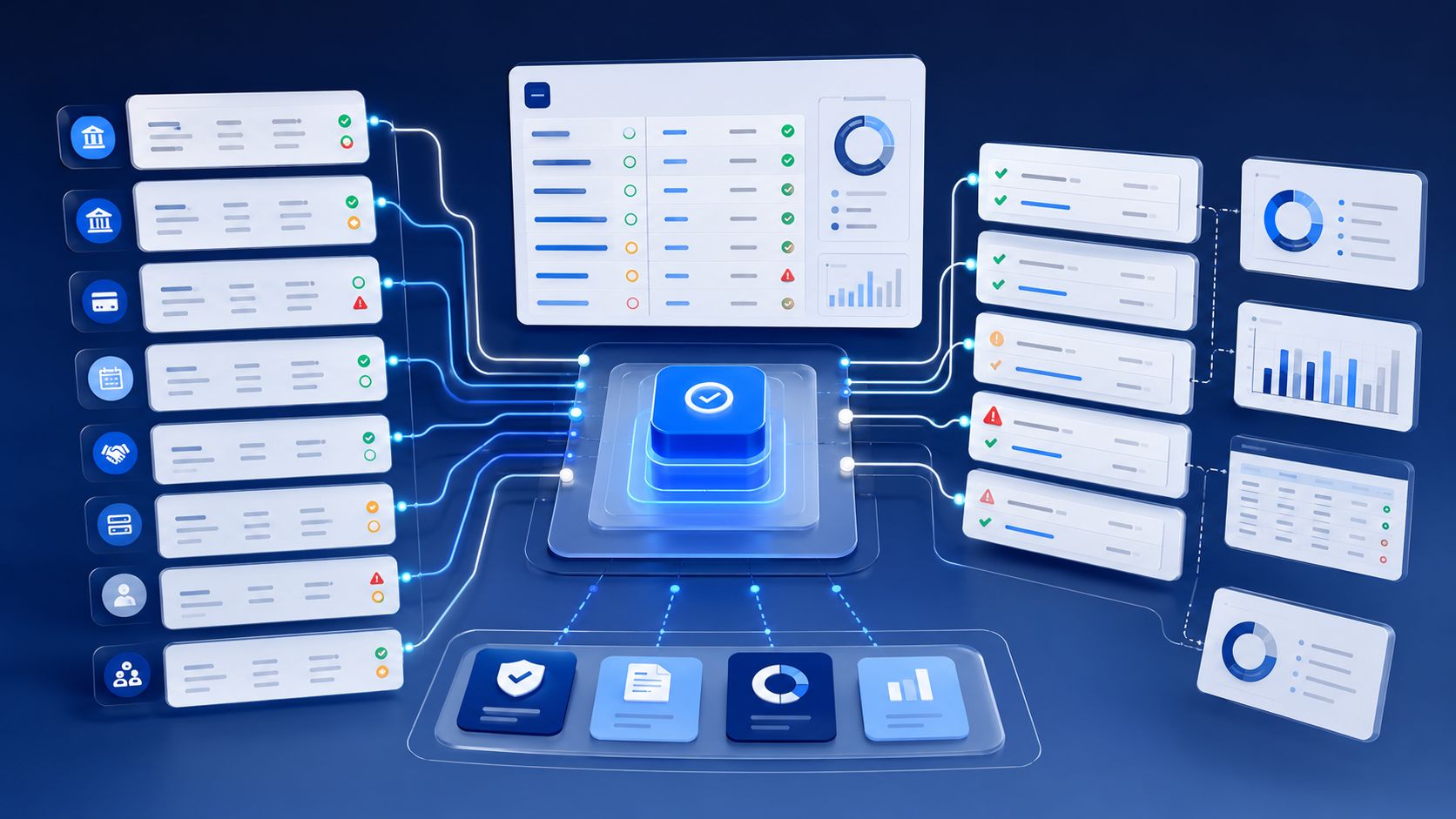
Our guide to payment reconciliation shows why payment data needs to stay aligned across the collection platform, processor, bank activity, and client records.
How a Portal Fits Into AR Automation
For creditors, AR automation may focus on invoices, DSO, cash flow, and reducing manual accounts receivable work. A collection agency needs a different layer: the portal should use current collection account information and present only actions that are valid for that account.
At enterprise scale, that can include client-specific branding, different processors, settlement authorities, convenience-fee logic where permitted, payment methods, and distinct remittance requirements. That is the difference between a generic billing page and a collection-focused online payment portal.
How Aktos Supports Connected Payment Self-Service
Here at Aktos, we include consumer self-service connected to the broader collection platform. Payment activity can stay tied to the same account history used for collector workflows, payment plans, reporting, audit trails, and client operations.
That connection is what turns self-service payments into an operating advantage. When a payment succeeds, fails, schedules, or changes an arrangement, the rest of the workflow can respond using current account data instead of waiting for manual reconciliation.
Final Thoughts
A customer payment portal should remove friction for both sides of the transaction. Consumers get a secure way to review eligible balances and make payments on their own time. Agencies get cleaner records, fewer manual handoffs, and faster account updates.
The critical requirement is connection. When the portal is integrated with the collection platform, each payment can immediately influence the balance, workflow, arrangement, outreach, reporting, and next action. That is what turns a payment page into an operational collection tool.
FAQs
Q: What should a customer payment portal include for a collection agency?
A: At minimum, it should show current eligible account information, support approved payment methods, provide confirmations, protect payment data, and update the collection system after successful, failed, scheduled, or reversed transactions.
Q: Is an online payment portal the same as a self-service portal?
A: Not always. An online payment portal focuses on payment actions. A broader self-service portal may also support disputes, document uploads, communication preferences, callbacks, or account questions.
Q: Should a portal support autopay and recurring payments?
A: It can, if the agency's payment provider, client rules, authorization process, and legal guidance support those options. The collection system should track the arrangement so future outreach and reporting reflect it.
Q: Why does real-time payment sync matter?
A: Real-time or near-real-time sync reduces the chance that collectors, automated messages, reports, or client files act on an outdated balance after a consumer has already paid.