Enterprise clients judge an agency on more than debt recovery. They also evaluate consistency, responsiveness, data control, reporting quality, and adherence to agreed processes.
As the client base grows, informal knowledge and one-off configurations become risky. A structured client onboarding process for enterprise collection agencies helps translate each creditor’s requirements into controlled workflows from the start. Modern debt collection agency software should connect those requirements to permissions, service levels, reporting, approvals, and defensible records without creating a separate operation for every creditor.
What Is Multi-Client Governance?
Multi-client governance is the set of systems and processes used to control the agency-client relationship around collection work. It covers:
- Placement, documentation, workflow, payment, and communication rules
- User, portfolio, integration, and client portal access
- Service levels, reporting definitions, approvals, and escalations
- Issue tracking, change requests, and audit history
This differs from portfolio management, which organizes overdue accounts, delinquent accounts, and collector activity. Client governance controls how instructions are received, enforced, reported, and documented. Debt collection software must support both debt management work and the relationship controls around it.
Configure Client Requirements Without Fragmenting Operations
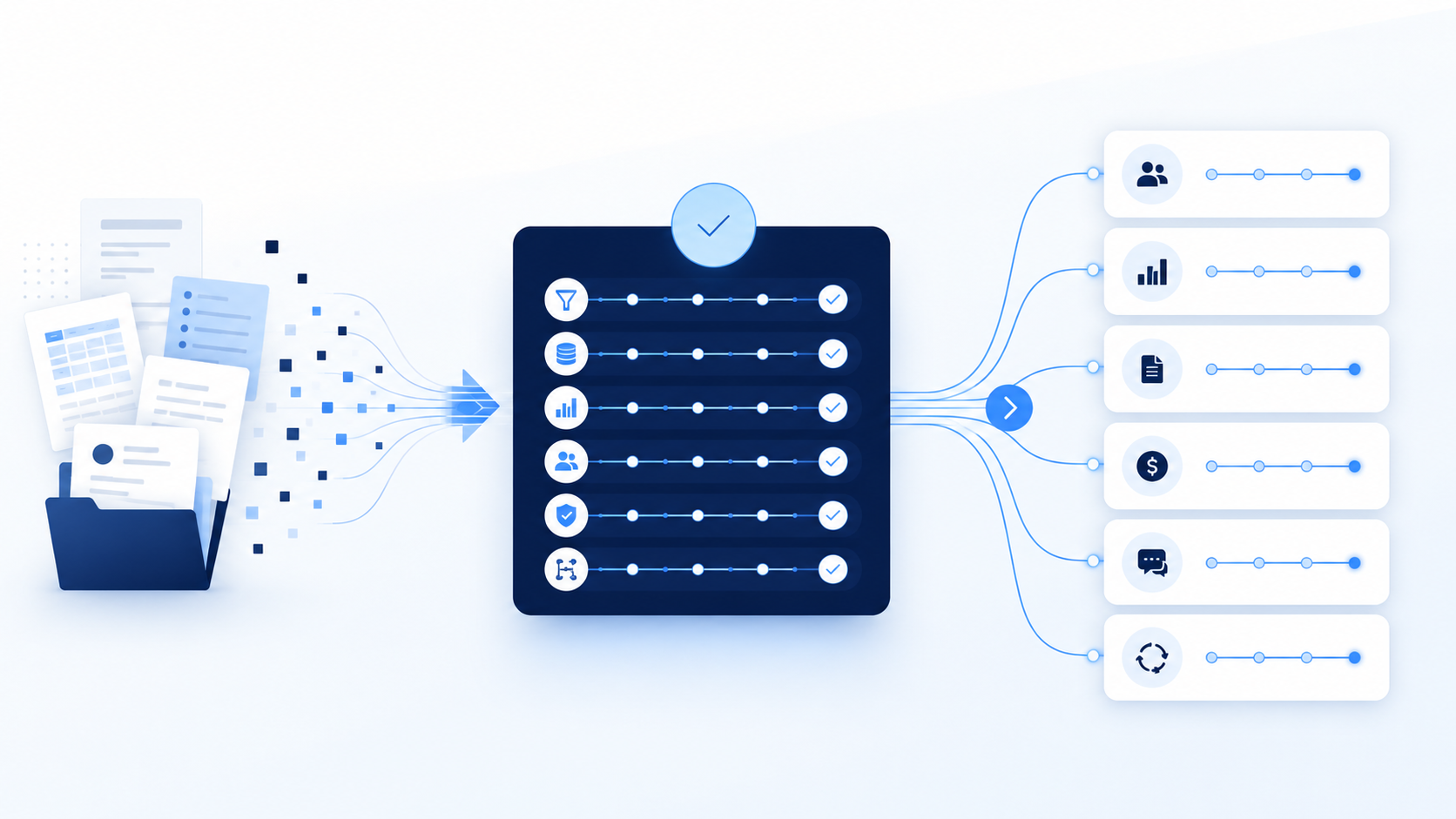
A scalable agency starts with a standard operating model for placement intake, collector work, disputes, online payments, payment reminders, closures, and reporting. Client-specific rules should be layered onto that foundation only where they are necessary.
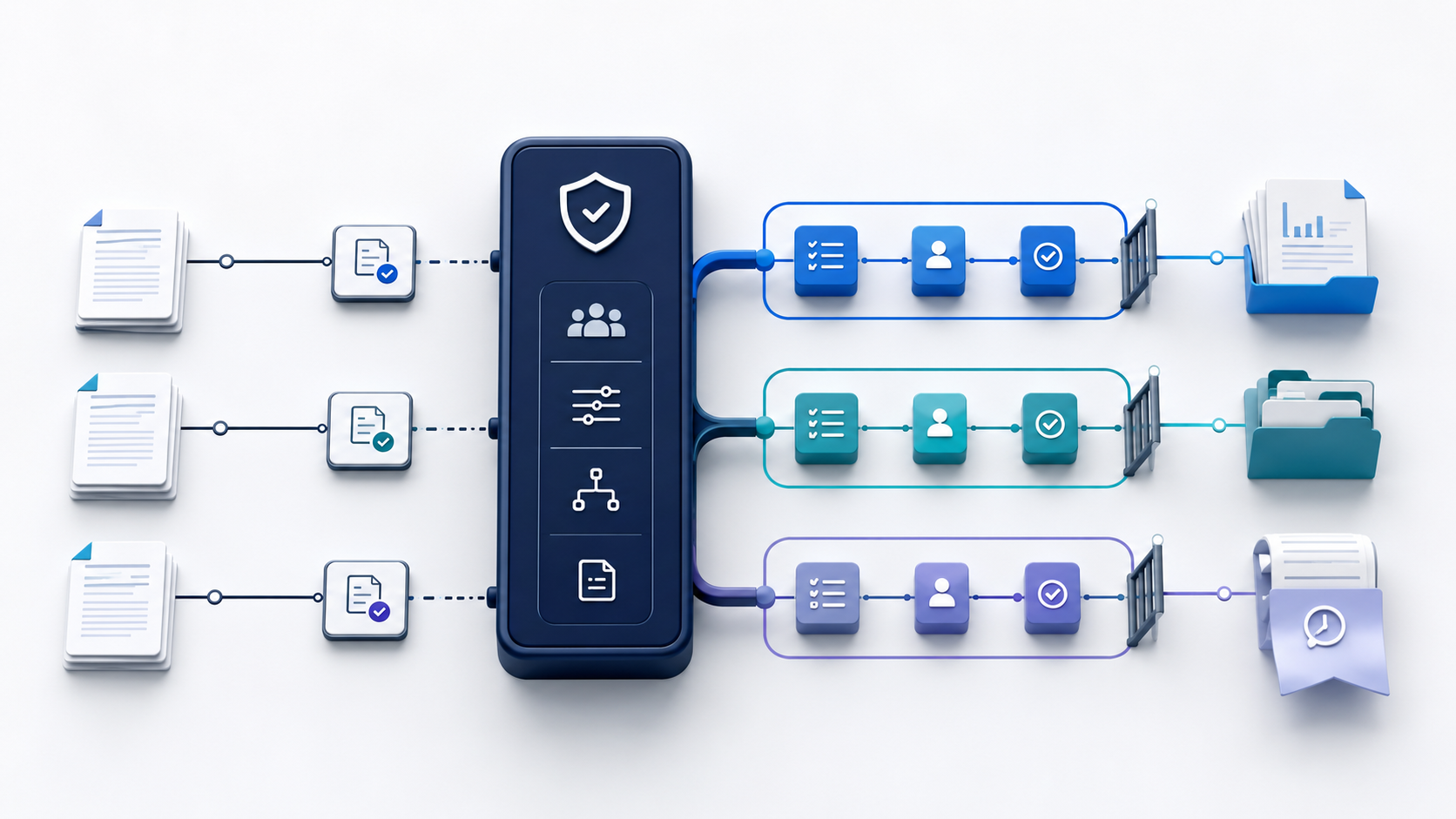
Examples include communication restrictions, settlement authority, payment-plan limits, return criteria, reporting schedules, and approval gates. Configurable automated workflows are safer than duplicated processes or extensive custom code because administrators can distinguish standard rules from client-specific ones.
A decision engine can then route delinquent accounts according to client, portfolio, balance, dispute status, customer behavior, or approved collection strategy. Predictive analytics, machine learning, or other AI technology may help prioritize work, but governance still requires clear human-approved rules, test cases, and ownership.
Enforce Placement Rules From the Beginning
Weak data at intake spreads problems downstream. Debt collection agency software should validate required fields, identify malformed records, preserve file history, quarantine exceptions, and prevent incomplete accounts from triggering collection activity.
Client acceptance rules may require placement dates, creditor references, balance details, documentation, consent data, or special handling indicators. Rejected records should be traceable and reported back to the client. A structured placement file validation process protects collector productivity and debt recovery quality.
Manage Client Workflows and Service Levels
Different clients may require different review, dispute, escalation, and closure processes. One creditor may require approval before a settlement. Another may require documentation before activity resumes. A third may route certain balances to legal recovery or require client review before skip tracing.
Modern debt collection software should route these variations without forcing the agency to rebuild its core process. It should also track service levels for dispute responses, account updates, reporting delivery, issue resolution, and client approvals.
Managers need visibility before a deadline is missed. Alerts should surface approaching service-level breaches, assign an internal owner, and retain the reassignment, approval, and completion history. That turns compliance management and client service from reactive follow-up into a measurable operating discipline.
Protect Client Data With Granular Permissions
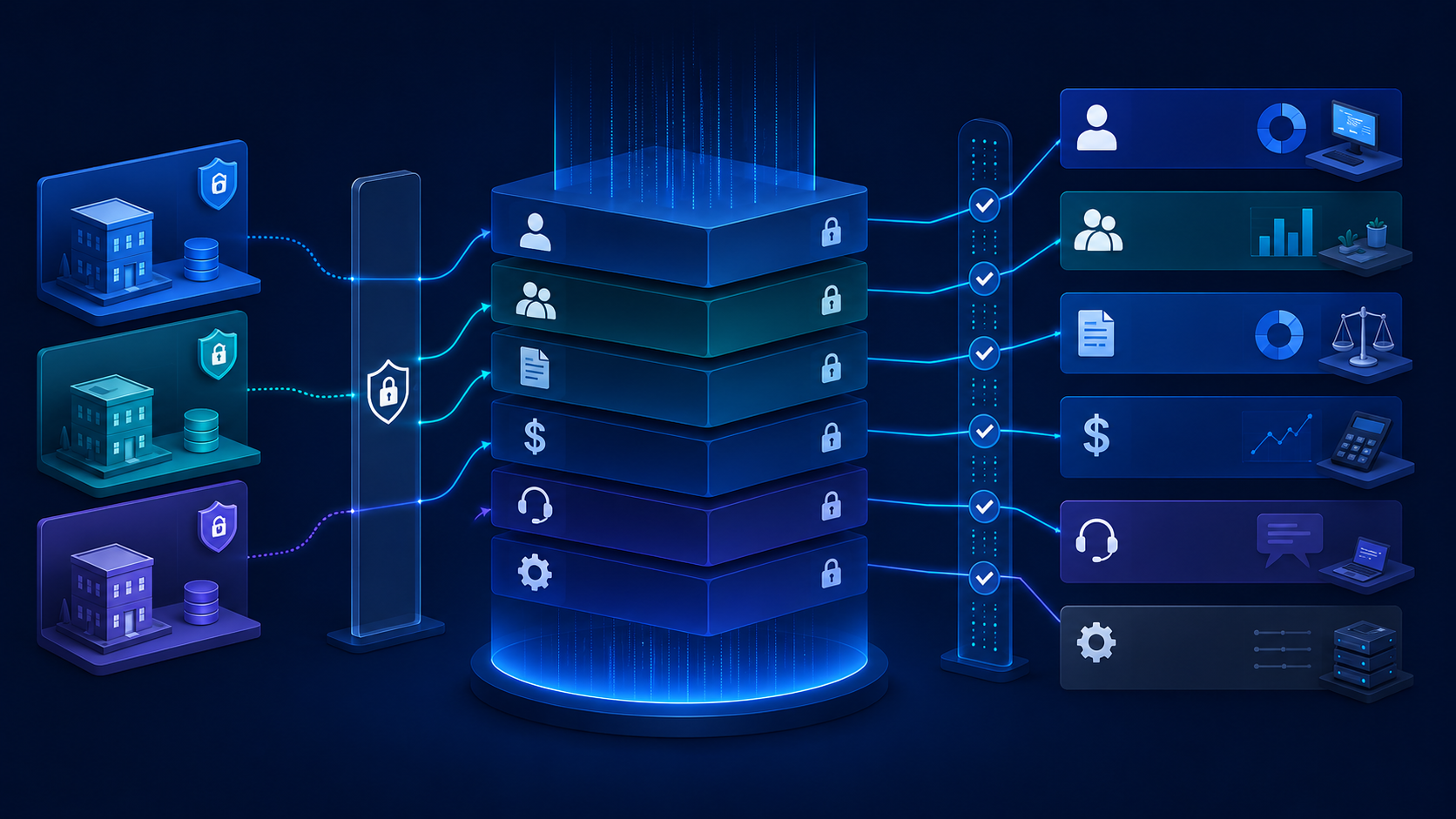
Multi-client agencies need data separation without losing consolidated leadership visibility. A strong data permissioning model in debt collection software should control who can view each client or portfolio, export information, change balances, approve settlements, edit workflows, or configure reports.
The same principle applies to client users, integrations, payment gateways, chatbots, a virtual agent, and self-service portals. Each person or system should receive only the access needed for its approved function.
Security reviews may examine PCI DSS, HIPAA where applicable, and ISO 27001-aligned practices. These frameworks can inform questions about authentication, encryption, logging, vendor access, and payment data. Granular controls help reduce risk while leadership compares collections performance across clients.
Give Every Client the Right Reporting View
Client-facing dashboards should show authorized placements, payments, account status, disputes, exceptions, service-level performance, returns, and closures. Internal client-services reports should show open questions, outstanding approvals, delivery status, data-quality issues, and recurring exceptions.
Agency leaders need consolidated real-time analytics for recovery, workload, profitability, and complexity without exposing client data. Well-designed real-time collection dashboards for large creditors give each audience the right level of visibility without forcing client-services teams to rebuild reports manually. Some creditors track DSO, while agencies focus on debt recovery and account resolution. The software should support both without manual translation.
A controlled client portal further reduces untracked emails and manually prepared status reports. Clients can review approved information, upload documents, submit account changes, or ask questions through structured workflows, with every action tied to a user and timestamp.
Track Issues, Escalations, and Audit History
Placement errors, reporting discrepancies, disputed information, delayed approvals, and workflow exceptions need one process: identify affected accounts, assign ownership, set due dates, document investigation, communicate status, and record resolution.
Complete history is equally important. Debt collection agency software should preserve consumer communications, agency-client instructions, approvals, permission changes, template updates, and system actions. Records should be searchable by client, portfolio, account, date, and activity type.
This supports compliance management under the FDCPA, Regulation F, TCPA, and applicable state requirements. Agencies should consult qualified counsel. Searchable history shortens investigations and strengthens client answers.
Govern Client Change Requests
A requested change should never move directly from email to production. The agency should document the business purpose, affected portfolios, owner, deadline, and requested outcome. It should then review effects on integrations, multi-channel communication, reporting, permissions, payment workflows, and existing client rules.
Representative scenarios should be tested before approval and deployment. After launch, monitoring should confirm that the change works as intended and does not alter another client's process. This is especially important when omnichannel communication, multi-channel communication cadences, or automated workflow logic changes across SMS, email, phone, letters, or portals.
A repeatable governance and compliance management cadence should review recovery trends, service levels, escalations, data exceptions, access, reporting requests, and recurring manual work that debt collection software can automate.
Evaluate Software in the Right Category
Generic accounts receivable management tools and debt collection agency platforms solve different problems. Finance-focused tools may help internal teams manage receivables, send dunning emails, monitor overdue accounts, improve DSO, and connect with accounting or ERP systems. Those capabilities can be useful for creditor-side finance operations, where the primary goal is managing outstanding invoices and cash flow.
Debt collection agency software must go further. It should support placement governance, communication controls, disputes, legal recovery, granular permissions, client portals, audit trails, and configurable client rules. Buyers should evaluate governance depth, integration flexibility, data separation, and support for multi-client operations rather than treating every receivables product as interchangeable.
Ask vendors:
- Can workflows differ by client without separate custom code?
- Can access be restricted by client, portfolio, role, and function?
- Can clients receive different dashboards and scheduled reports?
- Can placement validation rules be configured by client?
- Are instructions, approvals, issues, and changes documented?
- Can leadership see consolidated performance without exposing client data?
Final Thoughts: Governance Turns Performance Into Retention
Strong recovery results are harder to defend when an agency cannot explain its process or produce supporting records. Multi-client governance creates consistency while preserving necessary client differences.
Modern debt collection agency software gives agencies the foundation for transparent reporting, operational accountability, controlled change, and long-term client retention. See how Aktos supports multi-client operations through configurable workflows, granular permissions, client portals, issue visibility, and audit-ready records.
FAQs
Q: What is multi-client governance in debt collection?
A: It is the operating framework used to control client-specific workflows, access, reporting, service levels, approvals, issues, and changes while keeping the agency on one consistent platform.
Q: How can collection software keep client data separate?
A: Role-based permissions, portfolio restrictions, controlled exports, integration scopes, and client-specific portal access limit each user or system to approved data.
Q: Can every client have different workflow rules?
A: Yes. Modern debt collection software can layer client-specific configurations onto standardized agency processes, avoiding separate databases or extensive custom development.
Q: What should a client portal show?
A: It should show only approved accounts, activity, payments, documents, reports, issues, and service-level information, with permissions applied to each client user.
Q: Why are audit trails important for client retention?
A: Searchable records help agencies investigate discrepancies, explain decisions, demonstrate accountability, and resolve client questions without relying on memory or scattered messages.