A creditor placement file can look complete and still create operational problems. Dates may use different formats, balances may arrive as text, phone fields may contain extra characters, and required identifiers may be blank on a small but important group of records.
That is why the data cleansing process matters for collection agencies. The goal is not to make datasets look tidy for their own sake. It is to improve data quality before bad information reaches collector queues, communications, payment plans, client reporting, compliance-aware workflows, or generative AI.
At Aktos, our guide to collection agency placement file validation makes the operational principle clear: intake controls should identify incomplete, inconsistent, or questionable records before collectors or automation begin acting on them.
What Data Cleansing Actually Does
Data cleansing is the process of finding and correcting errors, inconsistencies, duplicates, and structural problems in data. Strong data cleaning practices help make information more accurate, complete, consistent, and usable throughout the collection workflow.
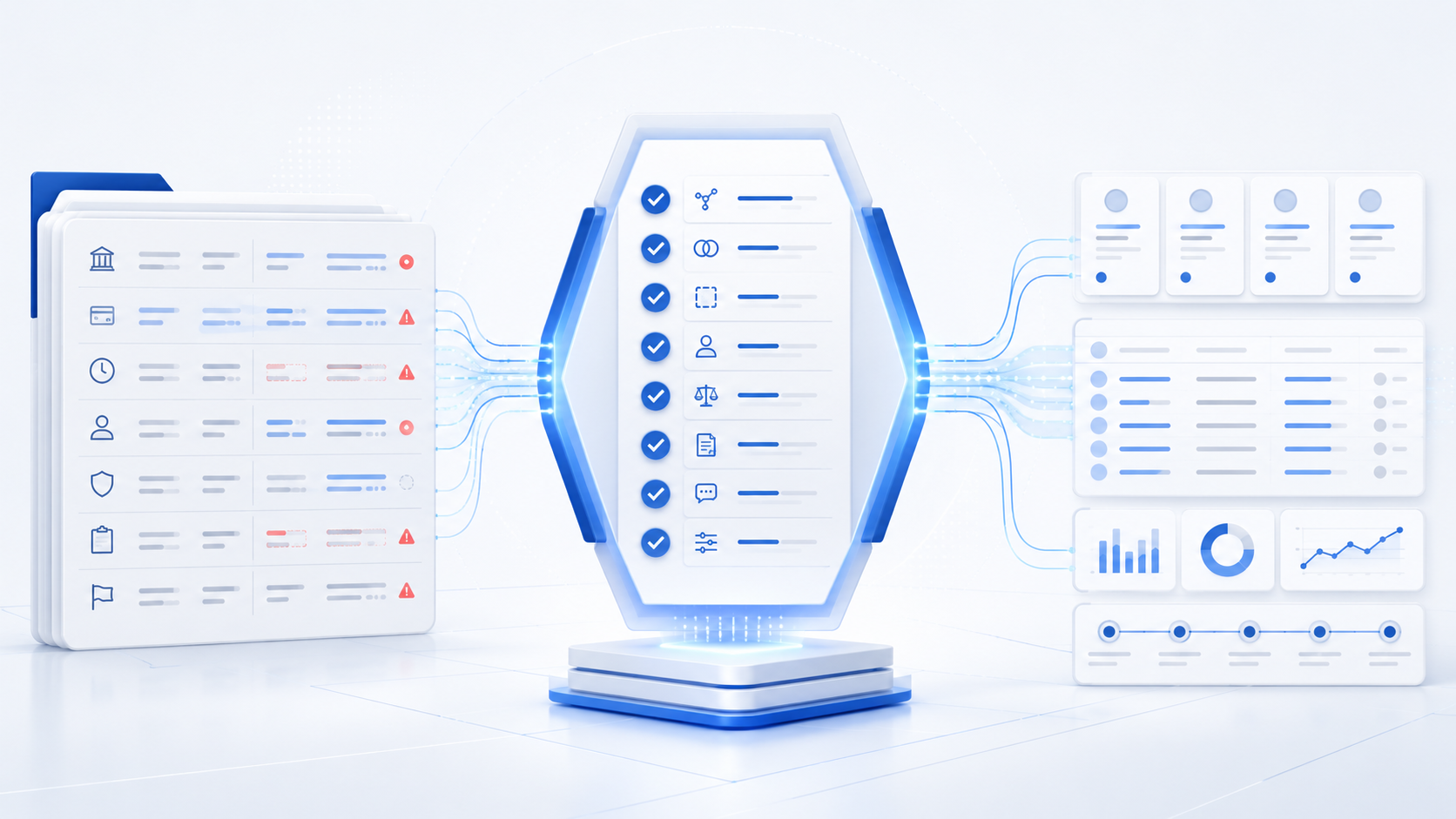
For a collection agency, data cleaning and data scrubbing should focus on whether account information is trustworthy enough to drive action. Strong cleansing operations usually combine data profiling, standardization, data validation, deduplication, and exception handling.
A useful data cleaning tool should check required fields, formats, and related values. It should also support duplicate detection so the same account or consumer is not activated twice without review.
Data cleansing tools should not silently guess. Preserve the source value, record the change, and route ambiguous records for review.
Why Placement Data Quality Spreads Downstream
Collection software depends on structured account context. If the input is wrong, the error travels.
A malformed date can distort aging logic. A bad balance can affect payment conversations. Incorrect CRM data can misroute an account, while a missing dispute or restriction field can create risk in automated outreach.
This becomes more important as agencies connect more systems. Data integration can move information quickly, but moving low-quality data faster does not solve the underlying problem. The agency needs data integrity from the point of intake through every downstream workflow.
Clean information also matters for automation. As explained in How Clean Data Improves Debt Collection AI, AI workflows depend on reliable account context. Generative AI can accelerate work, but it should not compensate for broken source records..
The Core Data Cleansing Checks Agencies Need
Profile Incoming Datasets Before Production
Before changing anything, agencies should understand what is actually in the file. Data profiling examines a dataset for missing values, unexpected formats, duplicate patterns, invalid ranges, and unusual field distributions.
Profiling is especially useful when a new creditor starts sending placements or an existing client changes its export. It can expose mixed date formats, text in numeric fields, or missing identifiers before import.
At scale, profiling can also feed data-quality rules. Data quality rules and monitoring help teams define checks and evaluate whether incoming data meets expected conditions before it reaches downstream workflows..
Standardize Formats Without Losing Source History
Standardizing formats makes equivalent information look equivalent. That can include normalizing dates, state abbreviations, phone numbers, Boolean values, and currency fields.
Good standardization improves data hygiene without destroying provenance. Keep the creditor's original value and separately record the cleaned value.
Address fields often need both address verification and address validation. Validation can check whether the structure is plausible, while verification can help determine whether the address corresponds to an actual deliverable location through an approved provider or process.
Find Duplicates and Contradictions
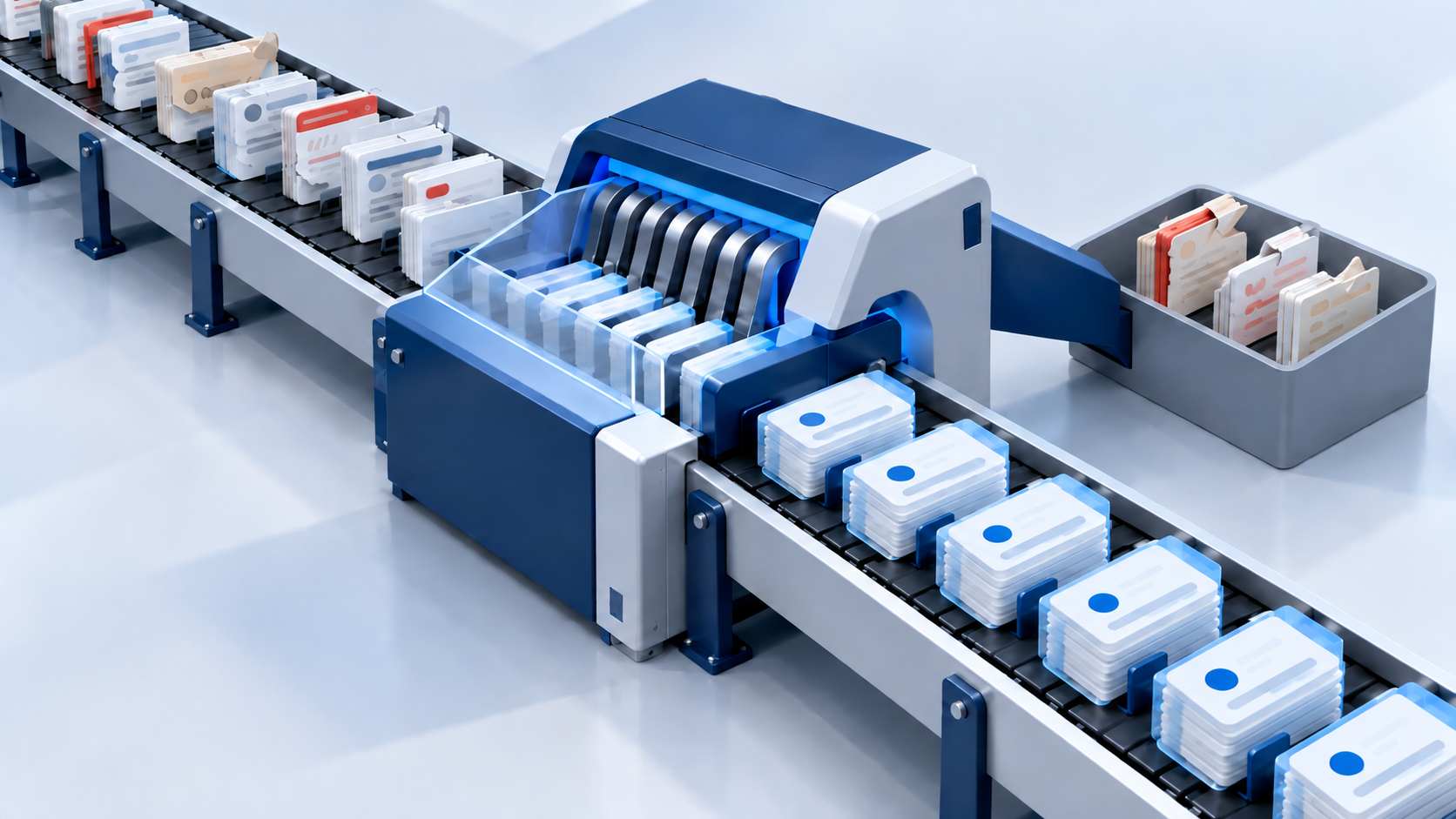
Deduplication is more than removing identical rows. Two records may represent the same account with slightly different names, contact information, or client identifiers.
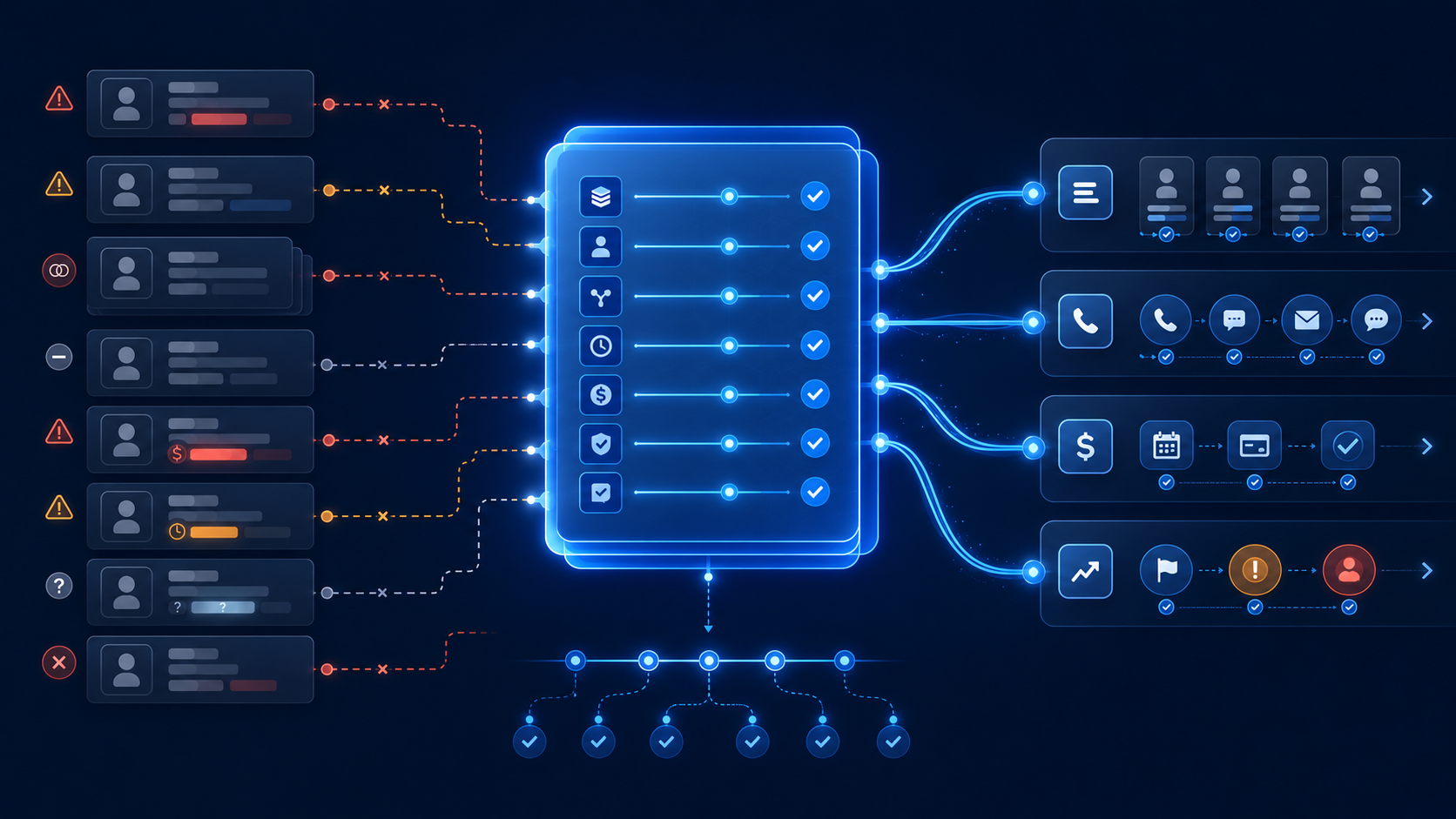
A strong data cleaning tool should support duplicate detection while allowing human review when a merge is uncertain. It should also catch contradictions: a closed account with an active balance, a payment plan flag with no scheduled date, or a dispute status paired with a workflow that assumes normal outreach.
Separate Data Cleansing From Data Enrichment
Data enrichment adds or updates information from another source. Cleansing improves the information already present. The distinction matters because the agency should know what came from the creditor, what was standardized internally, and what came from an outside source.
The same principle applies to data transformation. A transformation may convert a source value into the format or code the collection platform expects. Data transformations should be documented and testable, not hidden inside one-off scripts.
Where Cleansing Fits in the Broader Data Stack
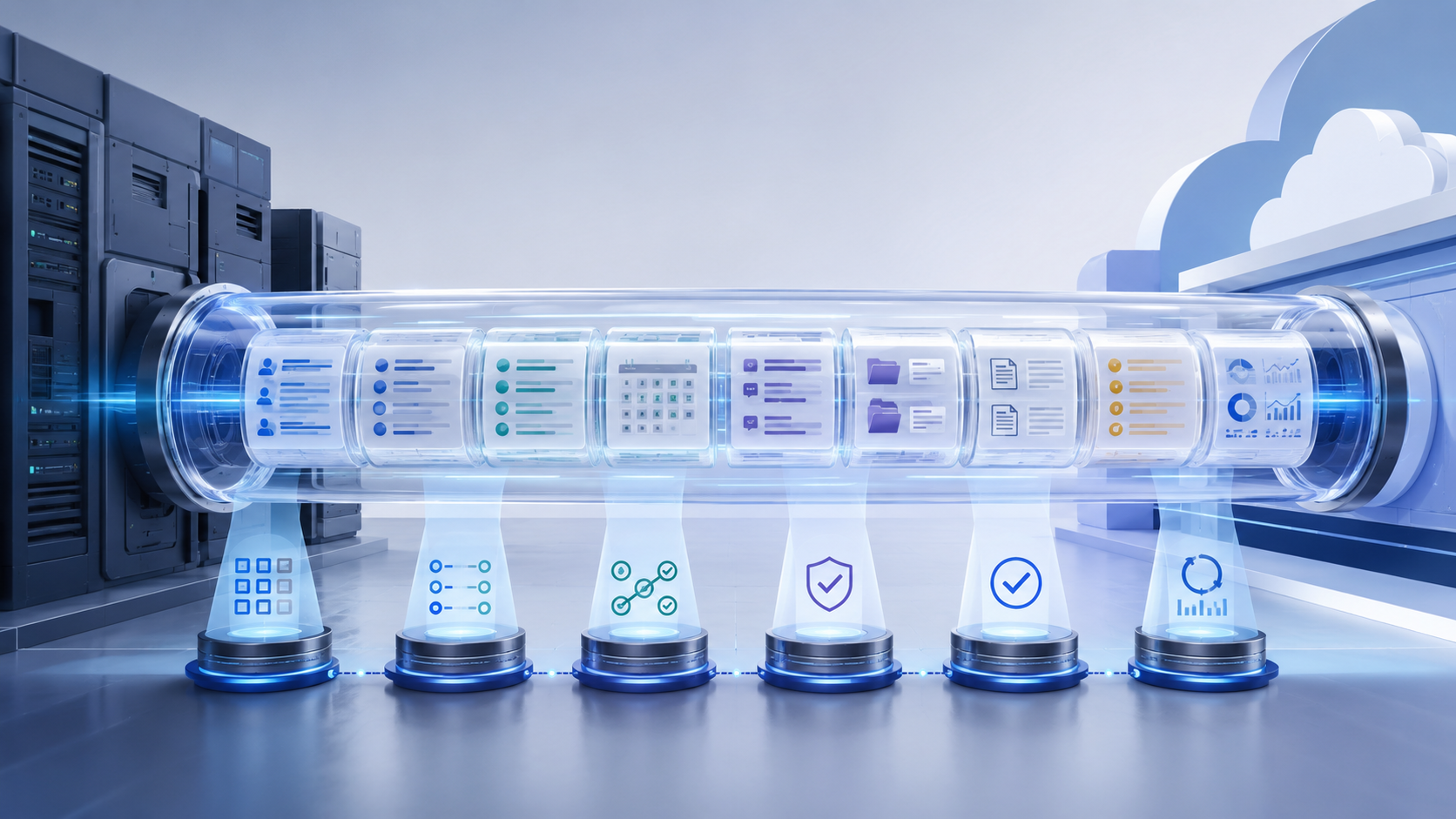
Larger agencies may receive placements through files, APIs, or batch processing. Records may move through ETL tools, data pipelines, data warehouses, and data lakes before reaching business intelligence or collection workflows..
In that environment, master data management and MDM policies help define authoritative records. Keep cleansing logic close to the workflow that depends on it.
Business intelligence is only as reliable as the records underneath it; clean storage does not help if invalid records have already entered production.
General Data Cleansing Tools vs. Collection-Specific Controls
General-purpose data cleansing tools can help technical teams improve data quality across large datasets before records reach operational systems. These capabilities often include data profiling, data scrubbing, standardization, deduplication, duplicate detection, address verification, data validation, data transformation, and broader data hygiene.
In larger environments, cleansing operations may also connect with data integration and master data management so teams can maintain more consistent information across systems. Strong data reliability practices focus on whether information is accurate, complete, and appropriate for its intended use.
A general data cleaning tool is useful when the primary goal is cleaning or standardizing data itself. Collection agencies, however, need another operational layer. Clean CRM data still has to be interpreted in the context of creditor placements, required fields, disputes, payment arrangements, communication restrictions, client rules, and exception ownership.
That is where a collection-specific data cleansing process differs from broader data cleaning tools. It does not simply improve a value in a dataset. It helps determine whether that value is ready to drive a live collection workflow, and what should happen when it is not.
Build a Client Feedback Loop Around Bad Data
Cleaning the same errors every month is not scalable. Track recurring data quality problems by client and fix them upstream with a better file specification, reusable mapping rule, API validation, or export change.
This feedback loop is especially important during system changes. During a collection software data migration, mapping, validation, testing, and reconciliation should be built into the migration plan rather than treated as last-minute cleanup..
Where Aktos Fits
At Aktos, we connect account intake to the workflows that depend on it. Configurable validation, exception routing, integrations, reporting, and audit history let agencies hold questionable records before they affect collectors, payments, communications, or client reporting.
Final Thoughts: Clean Before You Automate
Effective data cleansing and validation give agencies a repeatable way to profile datasets, improve data quality, standardize fields, manage deduplication, preserve source history, and route exceptions before bad records create downstream work..
As collection operations add more APIs, automation, reporting, and AI, disciplined data cleaning becomes more valuable. Faster workflows only help when the information driving them is reliable.
FAQs
Q: How does collection software cleanse data from creditors?
A: A good collection software can be used to improve placement-file data before accounts enter production. Typical uses include data profiling, data validation, standardization, duplicate detection, address validation, and exception routing.
Q: Where do general data cleansing tools fit?
A: General data cleansing tools can help technical teams clean, transform, standardize, and reconcile datasets before or during data projects. For collection agencies, those capabilities can complement collection software, while account intake, exception routing, audit history, payments, communications, and downstream workflows still need to be managed within the agency's collection platform.
Q: Where do enterprise data quality tools fit?
A: Enterprise data quality tools can support broader needs such as data profiling, standardization, matching, deduplication, verification, and master data management. These tools can support the data environment around a collection agency, but they serve a different role from modern collection software, which connects account data directly to collector workflows, payments, communications, reporting, and other collection operations.
Q: What is the difference between data cleansing and data mapping?
A: Cleansing improves the quality of a value; mapping determines where that value belongs in the target system. A malformed phone number is a cleansing problem. Deciding which target field should receive that phone number is a mapping problem.