A consumer says, “I can pay $200 on Friday.” For a collector, that is meaningful progress. For the collection system, it is not yet a payment.
That distinction is the foundation of promise to pay tracking. The record captures a future amount, payment date, and agreed terms, then follows that commitment through the outcome. Stored only as a note, a promise can distort expected cash and mistime follow-up, so modern operations treat it as a structured workflow state.
What a Promise to Pay Record Should Capture
A note that says “PTP Friday” is not enough. A structured promise to pay record should capture the payment amount, payment date, account number, current balance, source interaction, and payment options discussed. If the commitment is part of a payment plan, it should also capture the schedule, installment terms, and relevant installment dates. For monthly payments, the next installment should remain distinct from the overall arrangement. The promise should stay attached to calls, messages, disputes, notes, and payment events.
Promise to Pay Is Not the Same as Payment
A promise to pay is a commitment. A scheduled transaction is an instruction to attempt a payment. A completed payment is money that successfully processed and was applied to the account.
Those events are related, but not interchangeable. A scheduled bank debit may fail, a card may decline, a bank payment may remain pending, or the consumer may pay less or later than promised. Agencies should not mark an account “paid” because an arrangement exists. Payment reconciliation keeps processor activity, account status, reporting, and financial records aligned around the actual outcome..
How a Promise to Pay Workflow Should Work
1. Capture the Commitment in Structured Fields
The workflow begins when the consumer makes a promise to pay during a collector conversation, portal session, inbound AI interaction, or another approved channel. Notes can preserve context, but key terms should live in fields used for routing, reminders, reporting, and payment matching.
2. Move the Account Into the Right Follow-Up Path
Once the promise is created, the account should enter a controlled workflow. That may pause routine outreach, schedule a task, create text reminders, or wait until the promise date. Follow Regulation F and the Fair Debt Collection Practices Act when designing channel- and jurisdiction-specific follow-up workflows, and work with qualified counsel to confirm how the requirements apply to your agency.
3. Connect Payment Options Without Confusing Them With the Promise
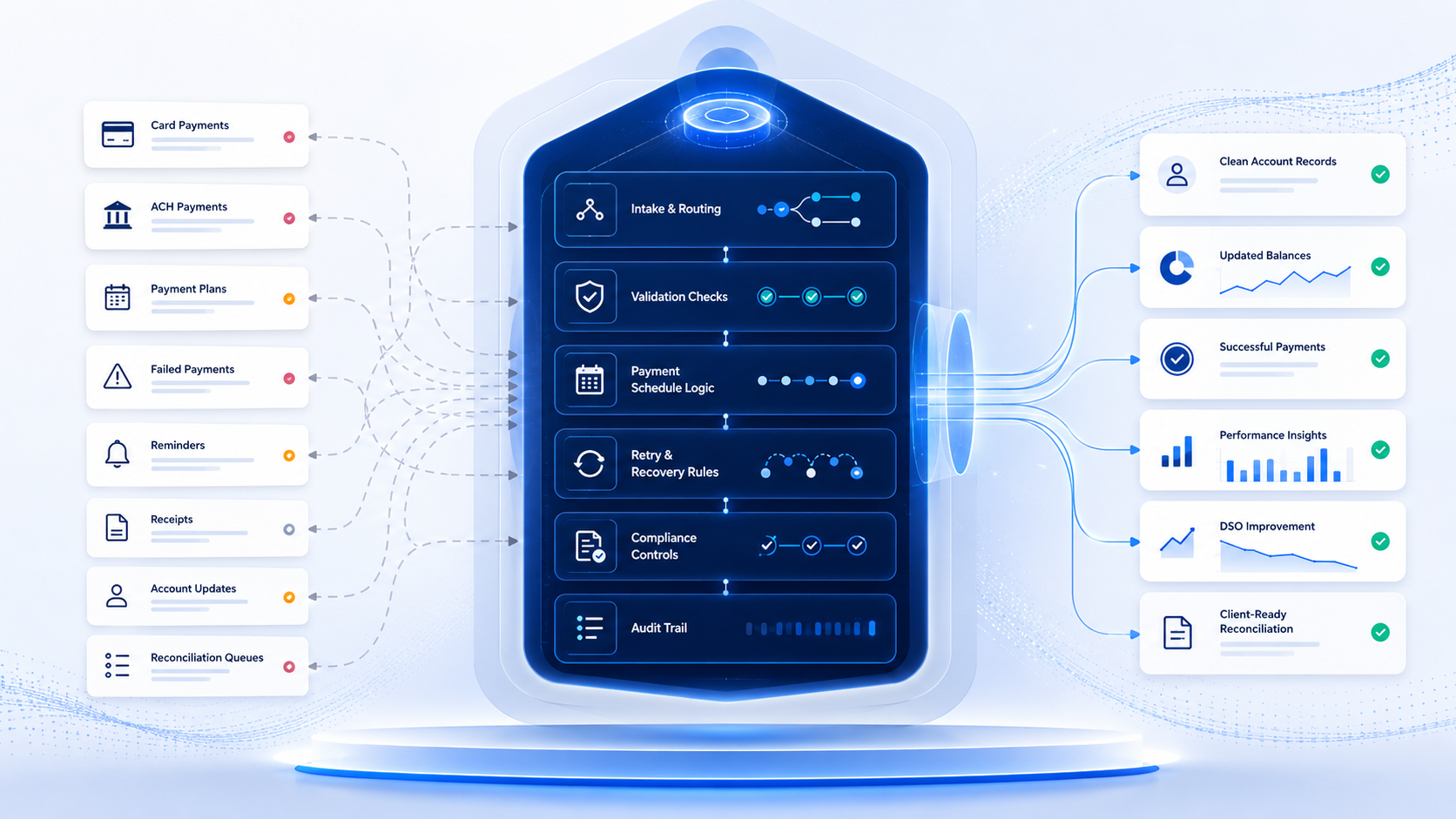
A promise can lead into several flexible payment options, including card, ACH, bank transfer, and sometimes Apple Pay or Google Pay. Authorized users may need to change payment methods, modify due dates, or update a payment amount; those changes should remain visible in history. For automatic payments, the arrangement should stay connected to account status and authorization. Use debt collection payment automation to keep payment plans, reminders, failed transactions, payment posting, and follow-up connected within the same workflow.
4. Match the Payment Back to the Promise
When money arrives, the system should compare the result with the promise to pay. A payment may be full, partial, late, reversed, or made through a different method. Preserve enough detail for managers and clients to understand the outcome without reconstructing it manually.
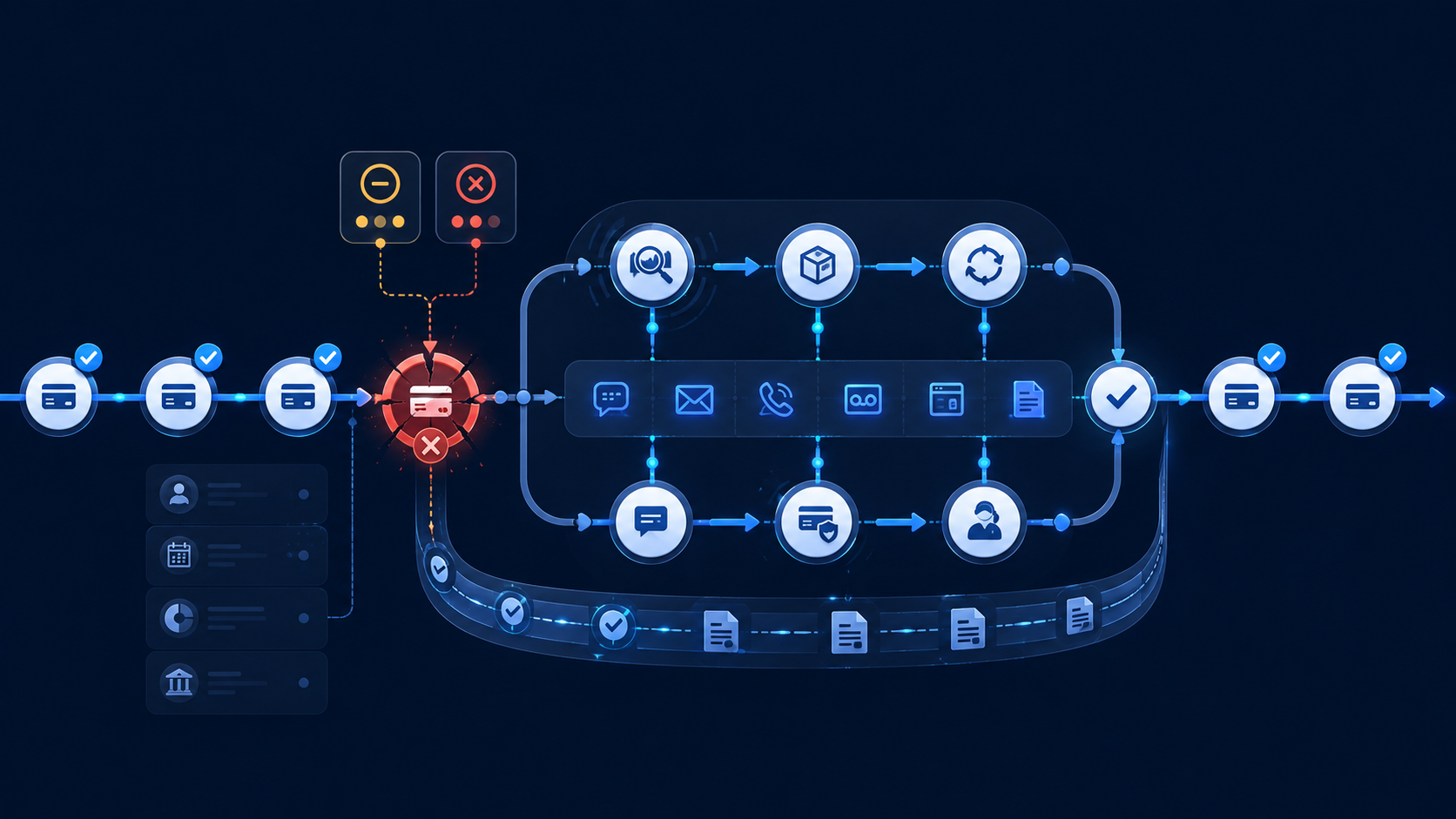
5. Route Broken Promises Intelligently
A missed promise should trigger a controlled next step based on prior promise history, the past-due balance, payment attempts, account status, and client rules. Use broken promise and failed payment plan recovery workflows to distinguish a failed transaction from a broader breakdown in the payment arrangement.
Building a Promise to Pay Around Flexible Payment Options
A promise to pay is most useful when it is tied to a clear payment plan. The record should capture the past-due balance, agreed amount, due date, and any future installments so collectors and managers can see exactly what the consumer committed to..
When the full balance is not realistic, a repayment plan can divide the amount into manageable installments while keeping the terms visible to the consumer and the agency..
The workflow should also record the selected payment method—such as ACH, card, or bank transfer—and preserve any later changes to the method or due dates..
For recurring arrangements, automatic payments and text reminders can help keep the plan on track. The system should still distinguish scheduled payments from completed ones and track failures, date changes, and any applicable late fees..
The goal is simple: keep the commitment, payment schedule, and actual outcome connected in one clear record..
What Managers Should Measure
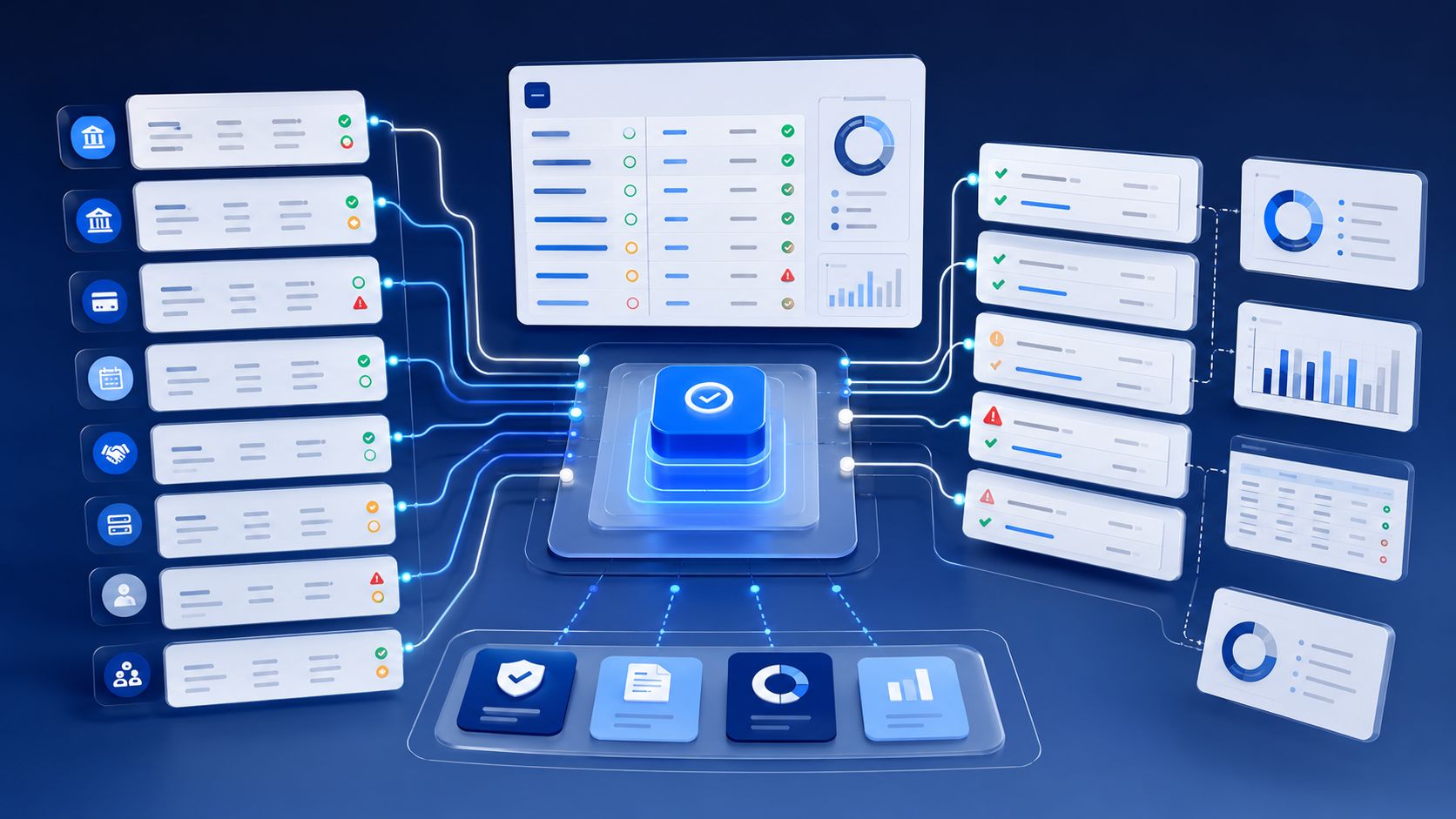
Promise-to-pay reporting connects conversations to outcomes. Useful measures include promises created, dollars promised, kept- and broken-promise rates, partial fulfillment, time to payment, and performance by collector, queue, client, or portfolio. Define “kept” and “broken” centrally so the same promise to pay is evaluated consistently. Keep late fees separate from promise performance unless the agency's documented rules explicitly make them part of the commitment.
What Changes at Scale
At scale, different clients may allow different payment plan structures, settlement authority, reminder cadences, or escalation paths. Thousands of open commitments can resemble expected cash without being collected revenue, so agencies need permissions, audit history, and reporting that separate promise status from payment status. Clear collector productivity workflows can surface next actions, reducing manual account review and helping collectors focus on accounts that need attention..
Where Aktos Fits
At Aktos, we keep payment plans, reminders, collector queues, payment events, notes, reporting, and client visibility tied to the same account record. That makes a promise to pay a dynamic status: when it is created, fulfilled, changed, or missed, the account can move to the appropriate next step while preserving history.
Final Thoughts: Track the Commitment Through the Outcome
A promise to pay becomes operationally useful when the agency can follow consumer intent through the payment date and into a verified result. The strongest process records the commitment in structured data, connects it to the payment plan and communication workflow, tracks the transaction, and routes exceptions consistently. For internal compliance reviews, agencies can use debt collection compliance resources and confirm agency-specific requirements with qualified counsel..
FAQs
Q: What does promise to pay mean in debt collection?
A: It means a consumer has committed to make a future payment under agreed terms. The promise should be tracked separately from a scheduled transaction and from a completed payment.
Q: Should a promise to pay automatically create a payment plan?
A: Not necessarily. A one-time promise may involve a single future payment, while a payment plan usually includes multiple installments, due dates, and a payment schedule. The system should represent whichever arrangement the consumer actually agreed to.
Q: What should happen when a promise to pay is broken?
A: The account should move into a defined recovery workflow based on the reason, prior history, current balance, payment-plan status, and client rules. A failed payment does not automatically mean the consumer abandoned the arrangement.