Settlement offers can help a collection agency resolve accounts that might otherwise stall. A consumer may not be able to pay the balance in full, but they may be able to make a lump-sum payment, start a payment plan, or accept a structured settlement agreement that closes the account with the creditor’s approval.
At scale, that simple idea gets complicated. One creditor may allow a 70% settlement offer after 90 days. Another may require supervisor approval below 85%. A portfolio of medical bills may have different rules than personal loans, student loans, a car loan deficiency, unsecured debt, or credit card balances. If bankruptcy, legal action, dispute status, or statute of limitations issues are present, the workflow may need to pause before debt collectors discuss terms.
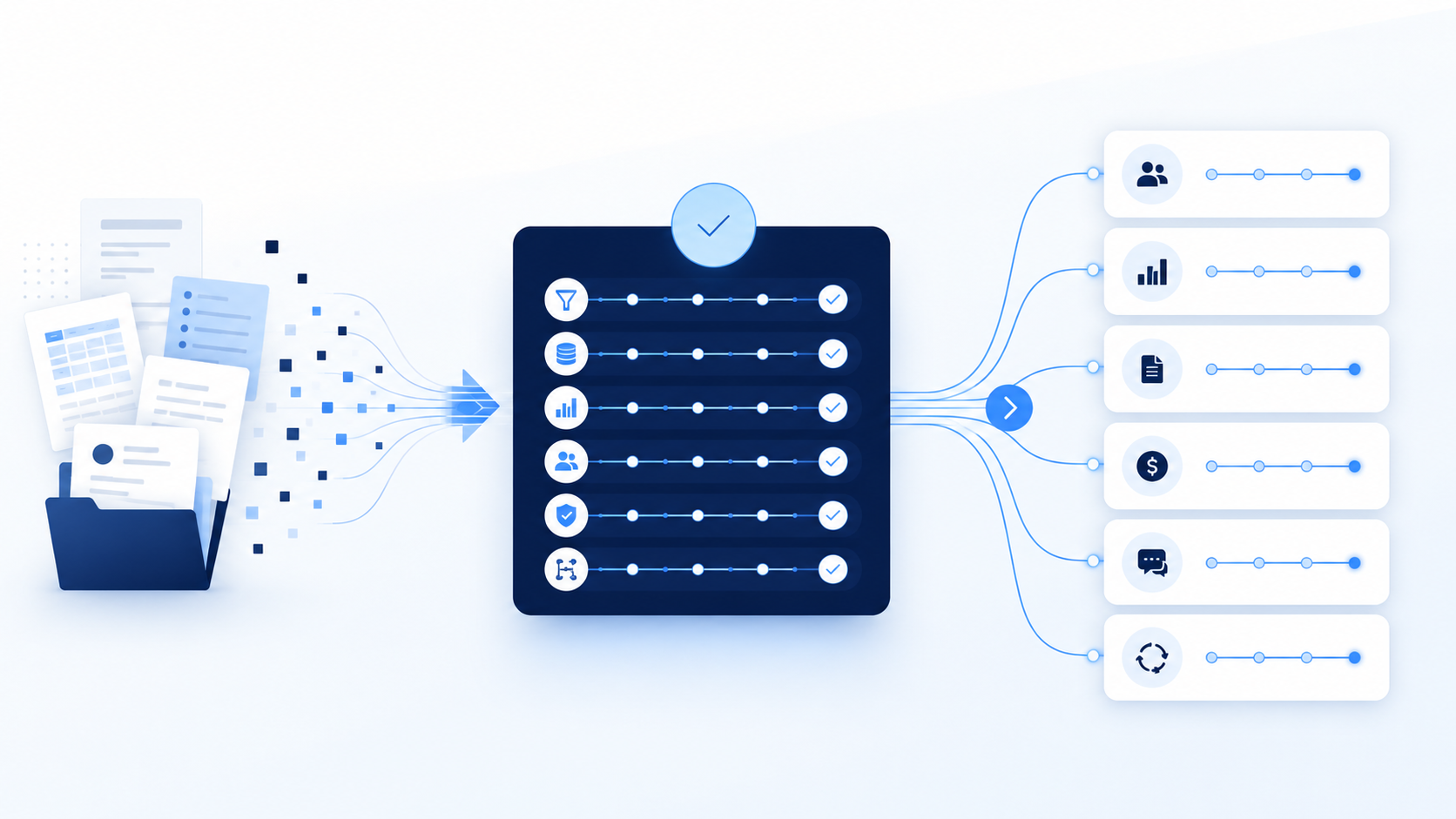
A modern debt collection settlement workflow should guide eligibility, route approvals, document decisions, connect payments, update account status, and give clients visibility without asking staff to rebuild the process by hand.
What a Settlement Workflow Should Control
A debt settlement process inside an agency is different from a consumer-facing debt relief program. A debt settlement company may advertise debt relief options, compare debt consolidation or a debt consolidation loan, discuss credit counseling, or explain a debt management plan. A collection agency is doing something else: working accounts placed by an original creditor or purchased by debt buyers, while following client authority, regulatory requirements, and internal controls.
A strong workflow should define which accounts are eligible, what authority the creditor has granted, who can approve exceptions, what written agreement must be generated, how the account updates when a settlement is accepted or broken, and how settlement activity appears in client reporting.
For larger relationships, these rules should be captured during onboarding. Aktos’ guide to client onboarding for enterprise collection agencies explains why placement rules, reporting expectations, data fields, and exception paths need to become live workflows before accounts go active.
Build Eligibility Rules Before Collectors Negotiate
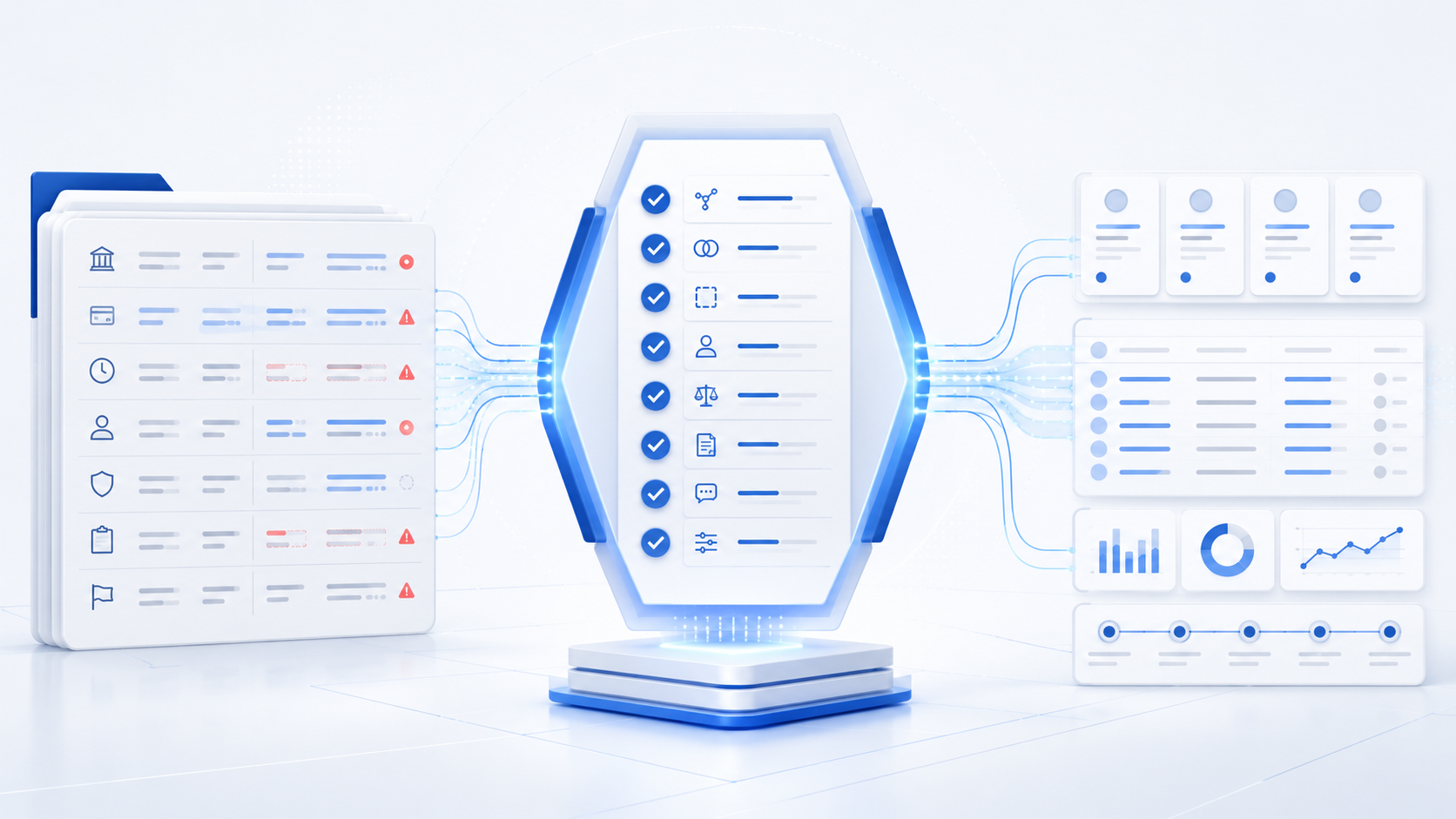
Settlement workflows break when debt collectors have to interpret policy from memory. The system should determine whether an account is eligible before anyone attempts to negotiate with creditors, request approval, or present terms.
Eligibility may depend on details like the account balance, placement age, debt type, state, prior payments, dispute status, bankruptcy status, legal hold, hardship flag, credit report status, and available documentation. It may also depend on whether the account came from the original creditor or a debt buyer.
The goal is not to make collectors less flexible. It is to make flexibility safer. If an account is ineligible, the workflow blocks the offer. If review is required, it routes the request. If supporting documents are missing, it pauses collection efforts until the file is complete.
Clean placement data makes these rules easier to enforce. Aktos’ collection agency placement file validation guide is a useful companion for teams that want settlement eligibility to rely on accurate balances, account status, creditor instructions, and exception fields.
Route Approvals Based on Risk, Not Habit
Settlement approval should not depend on who sees an email first. A $400 account inside standard authority should not follow the same path as a high-balance file with pending bankruptcy review, prior disputes, or legal escalation risk.
Modern workflow automation should support role-based approval paths:
- Collector authority for standard offers inside approved ranges.
- Supervisor approval for deeper discounts.
- Client services approval when a creditor requires signoff.
- Compliance review for disputed accounts or unusual consumer debt history.
- Legal review for accounts near litigation, judgment, or statute of limitations thresholds.
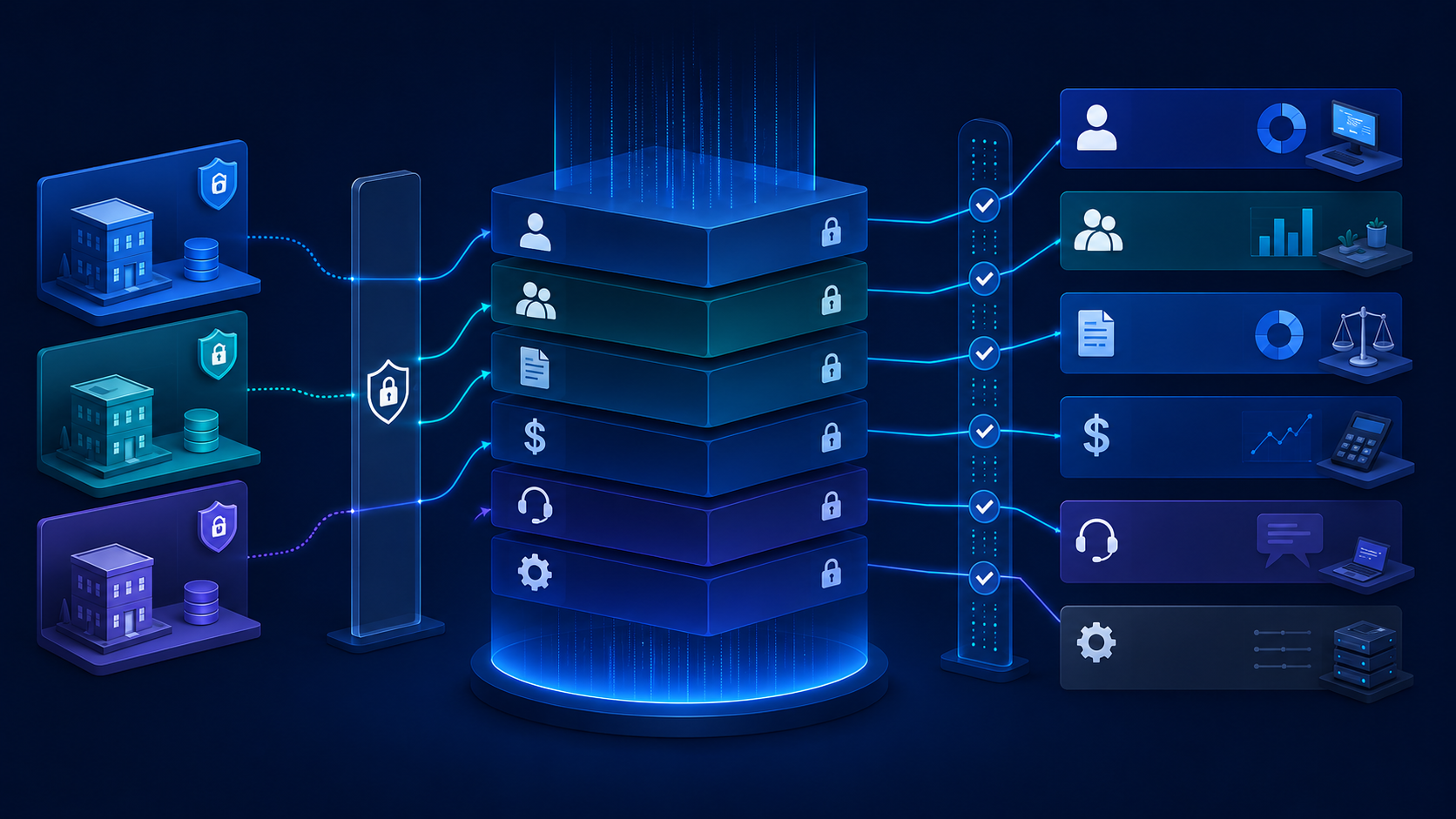
This is where data permissioning matters. A collector may need the offer options and deadlines. A supervisor may need the authority to approve exceptions. A client user may need visibility into pending approvals without seeing unrelated accounts. Aktos’ article on data permissioning in debt collection software explains why role-based access affects compliance, client trust, and operational control.
Document the Settlement Before It Becomes a Dispute
A settlement agreement should answer the questions a manager, client, auditor, or consumer may raise later: who made the offer, whether it was inside approved authority, who approved it, what amount and deadline applied, which channel confirmed the terms, whether the consumer completed the payment plan, and whether the account was paid in full or defaulted.
Documentation also matters because settlement can affect consumer expectations around a credit report, credit bureaus, credit score, taxable income, and tax consequences. The IRS notes that canceled debt can be taxable in many situations, with exceptions and exclusions such as certain bankruptcy cases. Agencies should not give tax advice, but workflows should preserve the terms clearly and route questions about forgiven debt to qualified professionals.
Federal rules matter too. The Fair Debt Collection Practices Act (FDCPA) and the Consumer Financial Protection Bureau’s Regulation F are core references for third-party debt collectors. Agencies should work with counsel to align templates, disclosures, payment communications, and record retention with applicable requirements.
Connect Acceptance to Payment and Status Updates
A settlement is not complete when the consumer says yes. The workflow still has to collect payment, update account status, and prevent conflicting outreach.
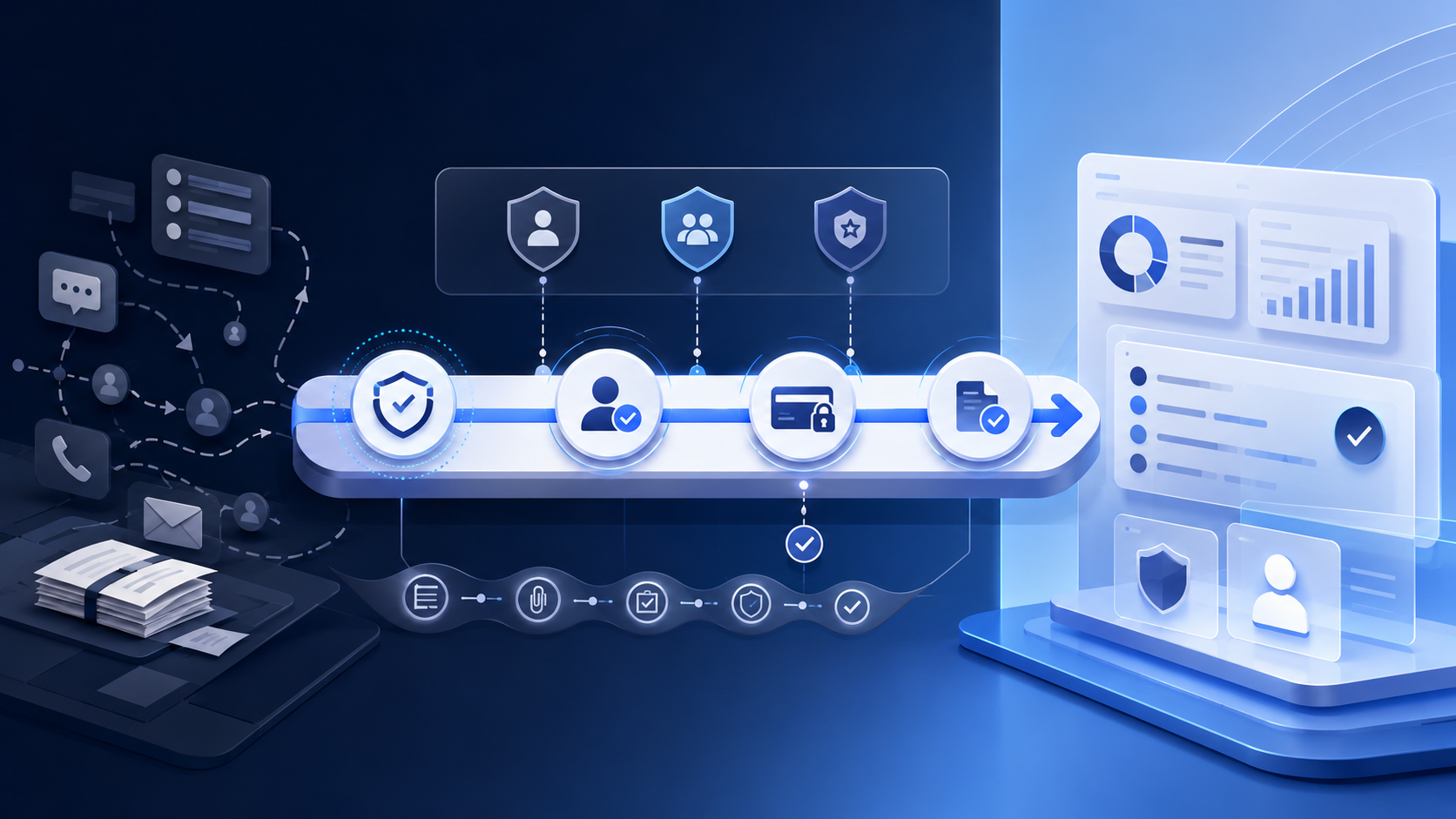
Once an offer is accepted, automation should generate a secure payment link, create the approved payment path, send confirmation, update the account, pause incompatible outreach, schedule reminders, and alert a manager if payment fails.
This is especially important when consumers are also comparing debt relief, credit counseling, or a debt management plan outside the agency conversation. The Federal Trade Commission warns that consumer-facing debt settlement programs can carry risks, including credit report and credit score impact, continued calls from debt collectors, and possible tax consequences. Agencies should keep their own communications clear, documented, and tied to approved instructions.
If the settlement is paid in full, the account should move to the correct closure path. If it breaks, the system should reopen the right queue, preserve the original terms, and prevent unauthorized changes. For litigation-adjacent accounts, Aktos’ software guide for debt collection litigation explains why legal escalation needs clean status, documentation, and approval gates.
Give Clients Clear Settlement Visibility
Clients do not want a black box. They want to know how settlement authority is being used, which offers are pending, which accounts are paid in full, which arrangements broke, and which exceptions need review.
A strong workflow should show settlement activity by portfolio, balance tier, placement age, debt type, collector, approval status, and payment outcome. The clearer the workflow, the easier it is to explain why collection efforts moved forward, paused, or closed.
Consumer-facing visibility matters too. A portal can help consumers review balances, upload documentation, make payments, or understand next steps without waiting for a phone call. Aktos’ guide to debtor portals for enterprise creditors covers what large clients increasingly expect from connected self-service experiences.
Final Thoughts: Settlement Needs Controls, Not More Handoffs
Settlement can be a practical path to resolution, but unmanaged settlement workflows create delay, confusion, and risk.
A modern debt collection settlement workflow should standardize eligibility, enforce approval limits, document every settlement agreement, connect payment, update status, and give clients visibility. It should also keep agency operations separate from consumer-facing debt settlement company content, debt consolidation, and national debt topics that often appear around the same search terms.
Aktos helps agencies turn client-specific settlement rules into workflows, permissions, payment actions, and reporting inside one modern platform. That gives teams more control without adding another layer of manual handoffs.
FAQs
Q: What is a debt collection settlement workflow?
A: A debt collection settlement workflow is the structured process an agency uses to determine settlement eligibility, route approvals, document terms, collect payment, update account status, and report outcomes to the client.
Q: How is this different from a debt settlement company?
A: A debt settlement company typically markets debt relief services directly to consumers. An agency settlement workflow is an internal process for handling accounts placed by a creditor, original creditor, or debt buyer under approved rules.
Q: Does a settlement workflow relate to national debt?
A: No. National debt is a public finance topic. Settlement workflow automation is about individual account handling, approvals, documentation, payment status, and client reporting.
Q: What happens if a consumer cannot complete the settlement?
A: The workflow should define what happens next. Depending on client rules, the account may return to standard collections, move to supervisor review, receive a reminder, require a revised written agreement, or pause because of bankruptcy, dispute, or legal action considerations.
Disclaimer: This article is for informational purposes only and does not constitute legal advice. Debt collection agencies should consult with legal counsel to ensure compliance with all applicable federal and state regulations.