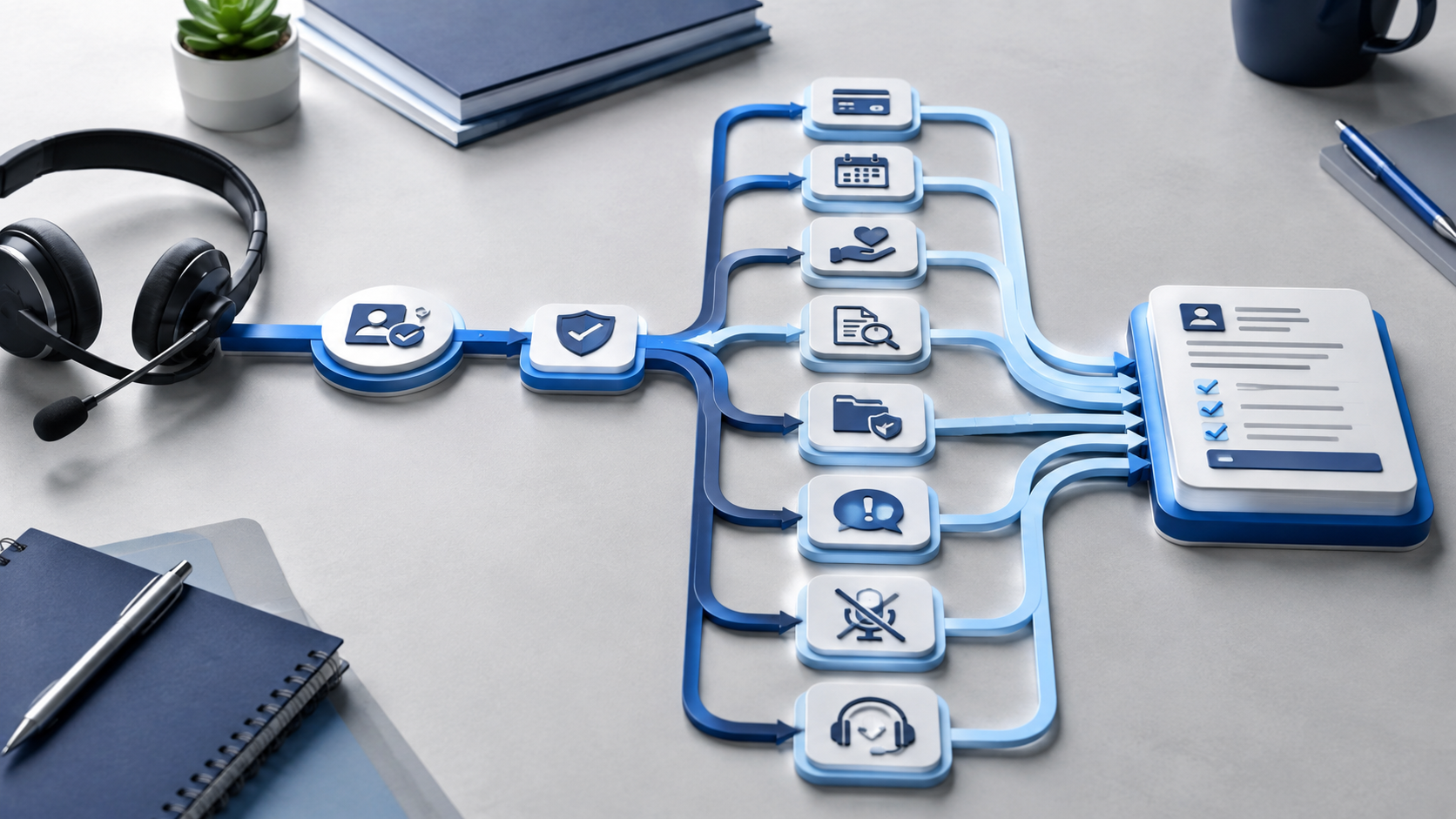

A former wireless customer disputes a final balance that includes service charges, an equipment installment, and a fee after cancellation. The agency sees one amount; the consumer remembers three separate events. Telecom debt collection becomes difficult when high-volume outreach gets ahead of accurate service context. Good communication starts by ensuring the account record explains what the consumer is being asked to resolve.
For a debt collection agency, collecting debts in the telecom industry means coordinating evidence with communication. Debt collectors need the correct account, current balance, and a clear indication of which actions are allowed, not simply a larger calling list. This guide connects telecom debt collection to service history, consumer preferences, and reporting that a creditor client or supervisor can explain.
Validate Telecom Bills, Equipment Charges, and Service History
Placements from telecommunications companies may include wireless or landline telecommunications services, device installments, returned equipment, early termination fees, credits, and adjustments. Debtors may have multiple phone numbers, a former service address, and a current contact address following delinquency. Placement validation should preserve service dates and itemized balance components, not reduce the case to a single outstanding debt.
A number that previously belonged to the consumer may have been reassigned. A service number is not proof that the person can be reached there today. Store source and verification history separately. When the account contains a disputed equipment charge, debt collectors should be able to see the telecom provider's return or shipping evidence rather than guess at the reason for the charge. Before outreach, compare the disputed charge with the service dates and adjustment history. Give the reviewer access to those records so the consumer does not have to repeat the same explanation to every different debt collector.
Telecom companies should provide enough billing context to separate delinquency from a disputed charge. A debt collector reviewing early termination fees needs the underlying service terms and adjustments, not a balance alone. Keep credit reporting questions separate from payment discussions. Never promise that a particular payment will produce a specific change in credit scores.
Build telecom dispute workflows around the disputed charge and supporting service history, so an equipment return or billing adjustment reaches the reviewer without disappearing inside a generic account note.
Coordinate Telecom Outreach Across Digital and Voice Channels
Debt collectors handling high-volume telecom debt collection benefit from a unified view of phone, email, SMS, letter, and consumer portal activity. But a mobile-first audience does not mean any available number can be used without checking the applicable consent, frequency, and privacy requirements. Channel preference and channel permission are separate concepts. An outbound sequence should re-evaluate both before sending another message.
Suppose the consumer pays through a portal after receiving an email. The payment event should update the balance, affect future outreach, and appear in the collector view without waiting for the next file transfer. If the consumer responds with a dispute, the system should route it to an appropriate review workflow and pause activity as required. Disconnected messages create frustration even when each individual action seems reasonable.
For debtors asking about credit scores, explain only what the agency can substantiate. A payment does not justify a blanket promise about credit reporting outcomes. Likewise, an outstanding dispute should reach both outreach and any relevant furnishing workflow before further action. Account status, consumer preferences, and reporting decisions need a shared history rather than disconnected vendor notes.
Connected customer communication platforms help each phone, email, and SMS interaction use the same account context, reducing the chance that a digital payment or dispute remains invisible to the next collector.
Measure Contact, Disputes, and Recoveries by Telecom Segment
Compare recovery rates and right-party contact across mobile, broadband, equipment-only, recent cancellation, and older delinquent accounts. Segment by delinquency age where the data supports it. Track wrong-party complaints, disputed charges, payment plans, and time to resolution alongside dollars collected. A high dial count with poor contact accuracy may be a sign of weak data rather than insufficient effort.
Provide creditor clients with segmented visibility into dispute reasons and documentation gaps. In the telecommunications industry, if a device-return dispute repeatedly delays recovery, fixing the placement data specification may improve results more than changing the outbound cadence. This is a portfolio-learning problem as much as an agent productivity problem.
Evaluate debt collection services through exceptions as well as completed work. Collecting debts requires the team to recognize a mismatched account, delayed payment, or missing approval. Apply FDCPA controls to the relevant communication workflow, and route credit reporting issues to the responsible reviewer. Questions involving credit bureaus need documented handling, not an improvised answer about credit scores.
Use omnichannel collections attribution to examine the sequence leading to resolution, rather than giving every successful payment to whichever channel happened to make the final recorded contact.
Pilot Telecom Portfolios With Realistic Account Exceptions
Appoint one owner across collections, compliance, finance, technology, and client services. Debt collectors need defined triggers, reliable account data, and clear limits on automated actions. Agree with telecom companies on who supplies missing documents and who resolves billing questions. This prevents an important control from becoming everybody's responsibility and nobody's task.
Pilot outreach separately for final service balances, device installment balances, and accounts with disputed equipment-return fees. Confirm that each segment carries the correct billing evidence and contact permissions before calls or messages begin. Sample wrong-party outcomes and returned messages, especially when phone numbers have changed since service cancellation. Then compare actual resolutions and disputes by segment; dialing more often cannot compensate for a missing final bill or outdated number.
Review Telecom Contact Controls and Credit Reporting
Review Consumer Financial Protection Bureau (CFPB) guidance on the Fair Debt Collection Practices Act (FDCPA) with counsel. CFPB resources inform FDCPA control reviews; document how equipment disputes pause work, corrected balances reach vendors, and authorized reviewers approve next actions.
Ask the vendor to show how a corrected equipment charge updates the balance, reaches the assigned reviewer, and changes scheduled outreach.
Telecom collections require billing context and consumer communication to stay connected. Our account records and omnichannel workflow capabilities give agencies a relevant starting point for evaluating how service disputes, contact updates, and follow-up activity move together.
Final Thoughts: Let Account Context Shape Telecom Outreach
In telecom debt collection, a high-volume outreach program can fall apart over a small detail: a returned device that wasn't credited, a final bill the consumer hasn't seen, or a phone number reassigned after service cancellation. Better recovery starts with accurate service and billing records, followed by communication that reflects the account's current status. Segment performance by charge type and dispute reason so recurring data problems can be corrected with the creditor instead of repeated across the next batch of placements.
For a demo, bring a sample telecom account with a billing dispute and walk through the evidence, restrictions, and next permitted action.
FAQs About Telecom Debt Collection
Q: What makes telecom debt collection different?
A: High account volumes, changing contact details, complex final bills, equipment balances, and service-history disputes make accurate account context essential.
Q: How should disputed equipment charges be handled?
A: Record the dispute, secure relevant device-return or billing evidence from the creditor, apply required holds, and communicate the outcome through an approved process.