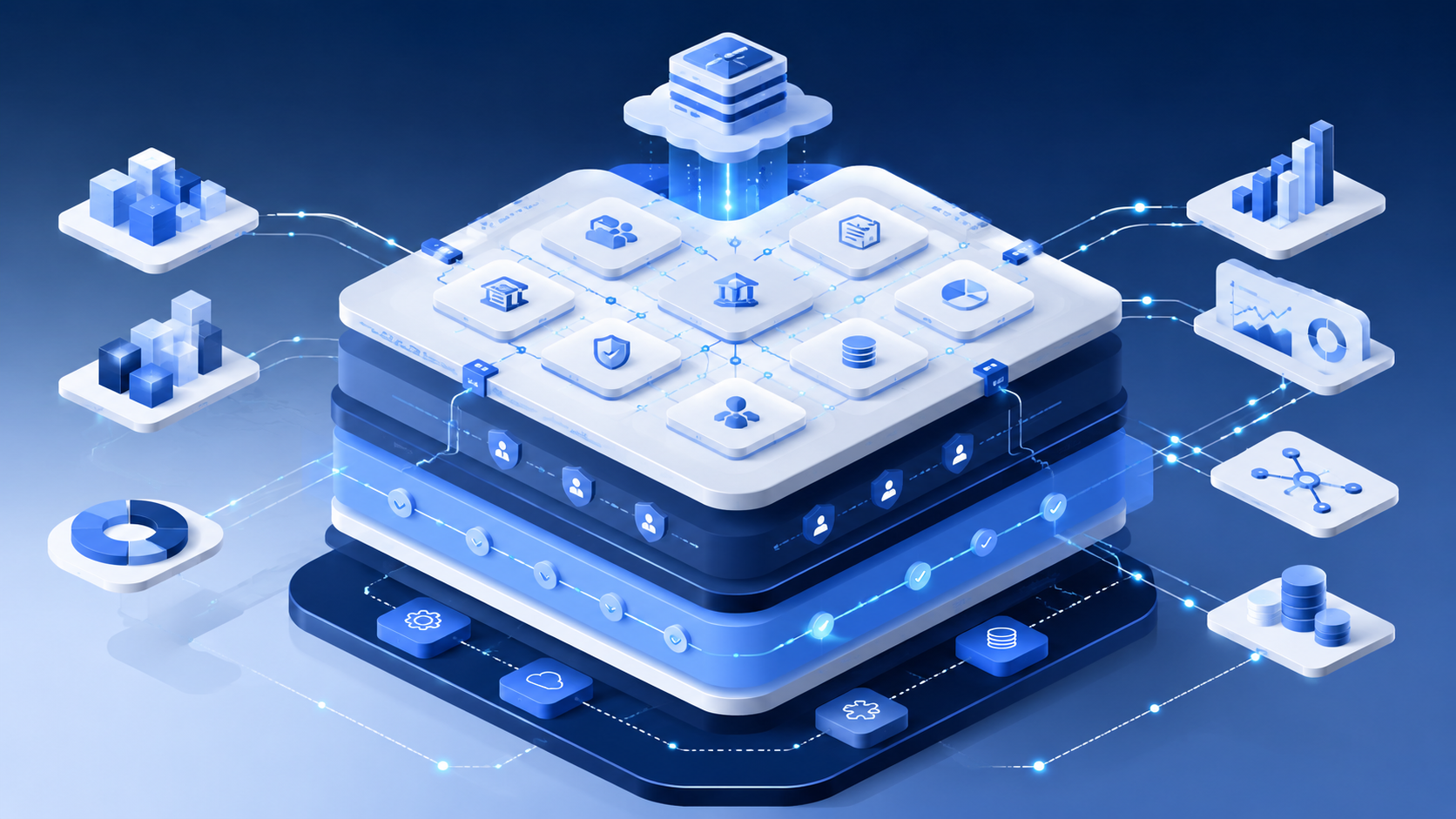
A collector answers a consumer who has already made a payment, but the collector screen still shows the old balance. The payment provider sees success, the dialer sees an active account, and the client report sees neither event until tomorrow. A collection management system is supposed to prevent that fragmentation. Its value comes from preserving a reliable account history and allowing every downstream process to act on current information.
For collection agencies, a collections management system (CMS) brings balances, restrictions, payments, and activity history together. To manage your collections across multiple clients, staff and connected tools need the same current account information. The CMS should also show where that information came from and who approved any change.
Understand the Architecture of Your System of Record
Start with client and placement identifiers, original and current balances, responsible parties, account status, communications, payment events, disputes, and supporting documents. Loan agreements, statements, and correspondence should remain linked to the account they support. For secured-debt placements, retain relevant collateral valuation records and condition reports supplied by the creditor. Record where each value came from and when it changed. Collections management software should distinguish original placement data from information added later by the agency.
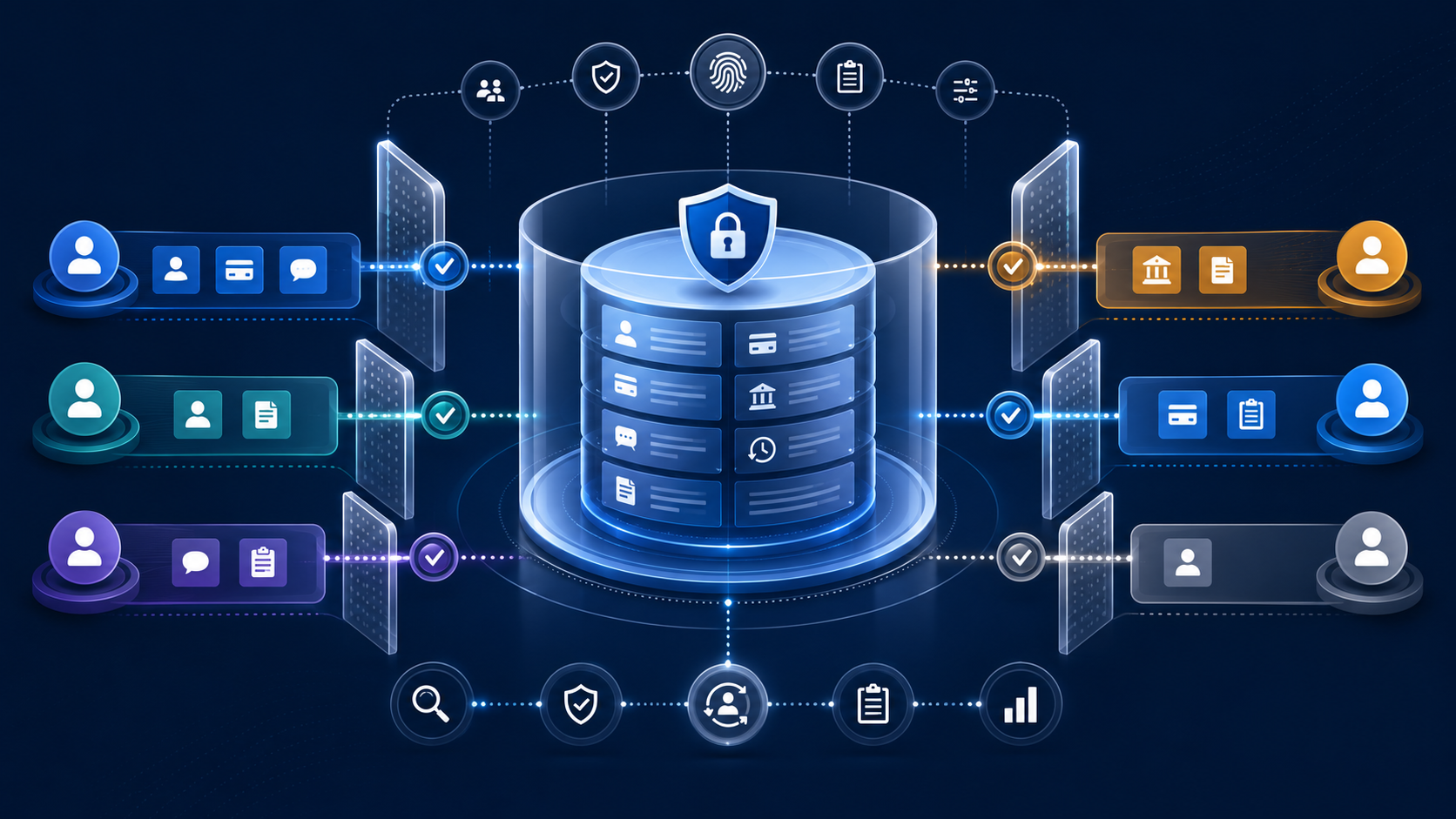
The platform should also define who is allowed to make each change. Collectors may document a conversation while supervisors approve settlements, finance teams reconcile payments, and compliance users authorize sensitive status changes. Clear role permissions reduce the chance that an otherwise useful workflow destroys the underlying evidence.
Document digitization needs the same discipline as balance updates. Cataloguing scanned agreements, letters, and payment records by account, document type, and date makes them easier to retrieve during a dispute. Preserve provenance: who supplied the file, when it was received, and whether it replaced an earlier version. For original paper records, location and movement control means knowing where an agreement is stored, who checked it out, and when it was returned.
A clear collection system architecture assigns ownership of balances, restrictions, documents, and vendor events, giving operators one explainable account history instead of several competing versions of the truth.
Walkthrough Workflows: Placement, Disputes, Payments, and Resolution
Follow one account through intake, validation, segmentation, outbound communication, consumer response, a possible dispute, payment processing, resolution, and client remittance. At each transition, ask what event changed the account and whether all relevant users and vendors see that change. An effective collections management system does not require people to reconstruct the journey from disconnected message logs.
For example, a partial payment changes the outstanding balance and possibly a repayment schedule. That event may need to pause one reminder, schedule another approved message, update collector priority, and appear in the client dashboard. A dispute creates a different path: the system should apply the relevant hold, assign review work, and retain correspondence. Neither path is adequately represented by a generic “activity complete” status.
A collection management system should carry account changes into every relevant channel. A payment, restriction, dispute, assignment, or client instruction must reach connected tools before they act again. When synchronization fails, operators need to see the failed step and the last confirmed account status.
Use account-level automation to connect each payment or dispute with the next permitted step, rather than treating a completed vendor task as proof that every downstream record changed.
Separate Core Account Controls From Vendor Tools
A dialer places calls; a payment processor authorizes or originates transactions; a document provider distributes notices. They can be excellent point solutions without replacing the collections management system. The core platform must govern the shared account state, enforce permissions, and reconcile events back into a single history. Its integrations should expose errors rather than silently discard updates.
Digital asset management systems (DAMS) may hold scanned documents, recordings, and other files outside the core platform. Those files still need a reliable link to the collection account. Give each stored document a stable object ID, preserve version history, and keep object locations up to date when files move. Document rights management should define who may view, download, or replace a file, so a storage integration cannot bypass account permissions.
When evaluating collections management software, test duplicate placements, webhooks delivered twice, delayed payment notifications, and conflicting status updates. Ask which system supplies the value used for each field, how retries work, and who owns an unresolved exception. A vendor demonstration that only covers the happy path does not show whether the architecture will survive ordinary collection operations.
Evaluate cloud hosting and software as a service (SaaS) through the same operational tests. Ask how staff retrieve documents during an outage, how access is removed when an employee leaves, and how account history is exported if the agency changes providers. A subscription model should make those responsibilities clear rather than leave the agency guessing who handles a failed update.
Evaluate collection software integrations through actual failures: an unanswered webhook, a duplicate placement, or an unavailable processor should create visible review work rather than silently leave account records inconsistent.
Test Account Transitions Across the Collection Lifecycle
Appoint one owner across collections, compliance, finance, technology, and client services. Define the trigger, required account data, permitted actions, and human review conditions. During data migration, that owner must confirm which historical states remain actionable and which need review, rather than simply accepting a successful import count.
Replay one collection account from placement through assignment, dispute, partial payment, adjusted balance, and client reporting. At every transition, check which record supplies the current value and whether the next team sees the update without re-entering data. Then introduce a delayed payment notification and a duplicate vendor event. A dependable collection management system should reconcile the final balance and status, retain the history, and surface exceptions for review.
Evaluate Collection-System Permissions and Audit Evidence
Test who can view and change account information, which actions are restricted, and how failed updates are recorded. Confirm that staff can retrieve the history of each decision and that someone is responsible for resolving every exception.
Keep account documents separate from the content management system used for the agency's website. Web publishing tools support public pages; they should not provide public access to loan agreements, payment records, or consumer correspondence. Restrict the use of collections data to approved staff, client, and consumer workflows, and test that copied document links cannot expose another account's records.
Ask the vendor to demonstrate one account with a delayed payment or conflicting status update. Check who can correct the record and how that correction appears in the account history.
We approach collections management software as the operational home for an account, using connected records, configurable workflows, and an open API approach to bring collector activity, payment updates, and client information together.
Final Thoughts: Keep Every Account State Connected
The measure of a collection management system is what happens after something changes: a payment arrives late, a dispute places activity on hold, or a vendor sends the same event twice. Collectors, compliance, finance, and clients shouldn't have to reconcile four versions of that account. Before choosing a platform, follow one complicated account from placement to resolution and see whether its balances, restrictions, and history stay consistent throughout.
During an Aktos evaluation, ask for a demonstration that includes a delayed payment update and a failed integration, not just a straightforward account journey.
FAQs About Collection Management Systems
Q: Is a collection management system the same as a dialer?
A: No. A dialer manages calling activity. A collection management system holds account context and coordinates placements, communications, payments, disputes, reporting, and controls.
Q: What data should be centralized?
A: Centralize verified account identifiers, balances, statuses, consumer restrictions, activity history, supporting documents, and transaction references, while integrating specialized tools appropriately.